
802 Lawsonville Ave, Reidsville, NC 27320
$315,000 | 1910 | 2,559 Sq. Ft. | 4 Beds | 2 Baths | 0.5 Acres
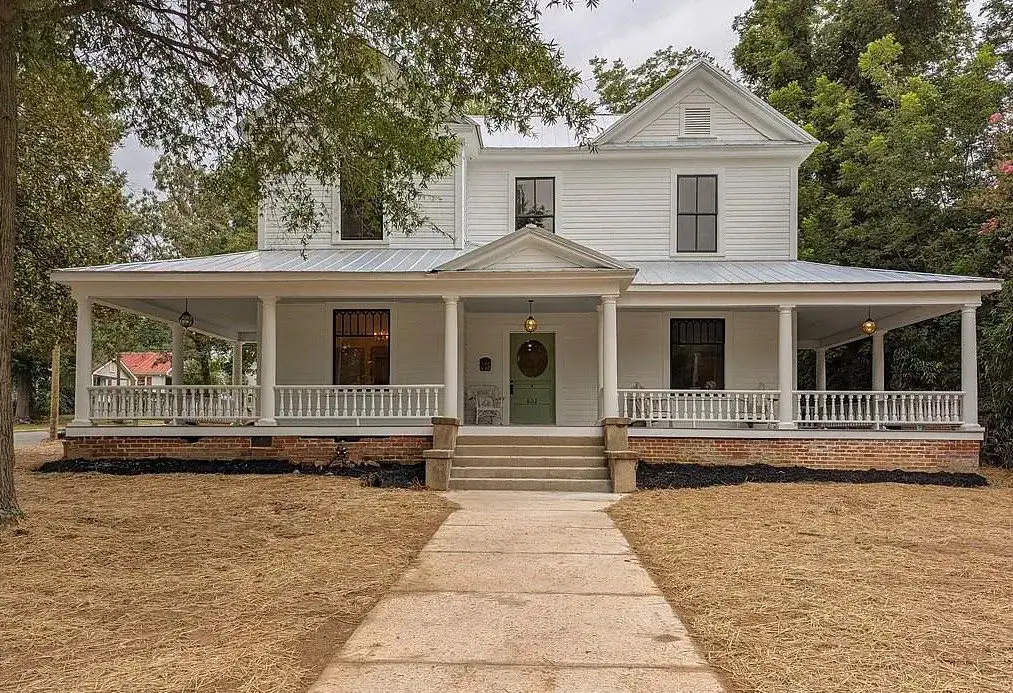
There are homes that simply provide shelter, and then there are homes that carry stories, memory, and a sense of place that cannot be replicated. Built in 1910, this gracious Southern residence stands as a tangible link between architectural heritage, literary history, and modern comfort. Known historically as the Hooper House, this property offers far more than square footage or bedroom count; it offers the opportunity to live inside a chapter of Reidsville’s past while enjoying the ease and reliability of thoughtfully updated systems. For buyers searching the real estate market for a house for sale that blends authenticity with livability, this home occupies a rare and compelling position.
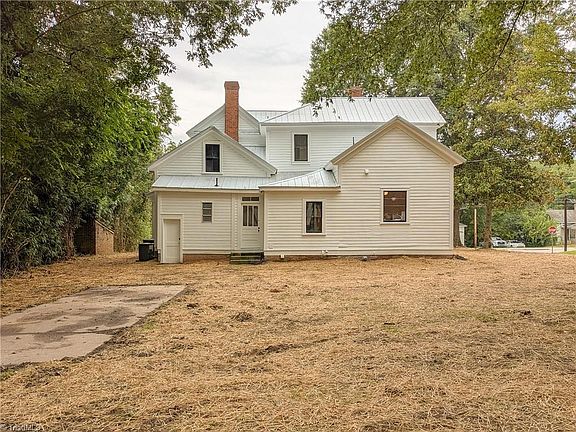
From the outset, the setting establishes a tone of classic Southern charm. Situated on a half-acre lot, the home enjoys breathing room that is increasingly uncommon in downtown-adjacent locations. The generous rear yard opens possibilities for gardening, outdoor entertaining, play, or simply quiet reflection beneath open skies. In a market where many properties sacrifice land for proximity, this home achieves a balance that appeals to buyers who want space without isolation. It is the kind of home that feels rooted, settled, and connected to its surroundings.
The historical significance of the property adds an additional layer of depth. As the childhood home of Walter Hooper, author and literary executor to C.S. Lewis, the house occupies a unique place in cultural history. While ownership does not require literary enthusiasm, there is something undeniably special about living in a home that helped shape a life connected to one of the most influential writers of the 20th century. For some buyers, this connection transforms the house from simply being listed for sale into a meaningful stewardship opportunity, where preservation and appreciation go hand in hand.
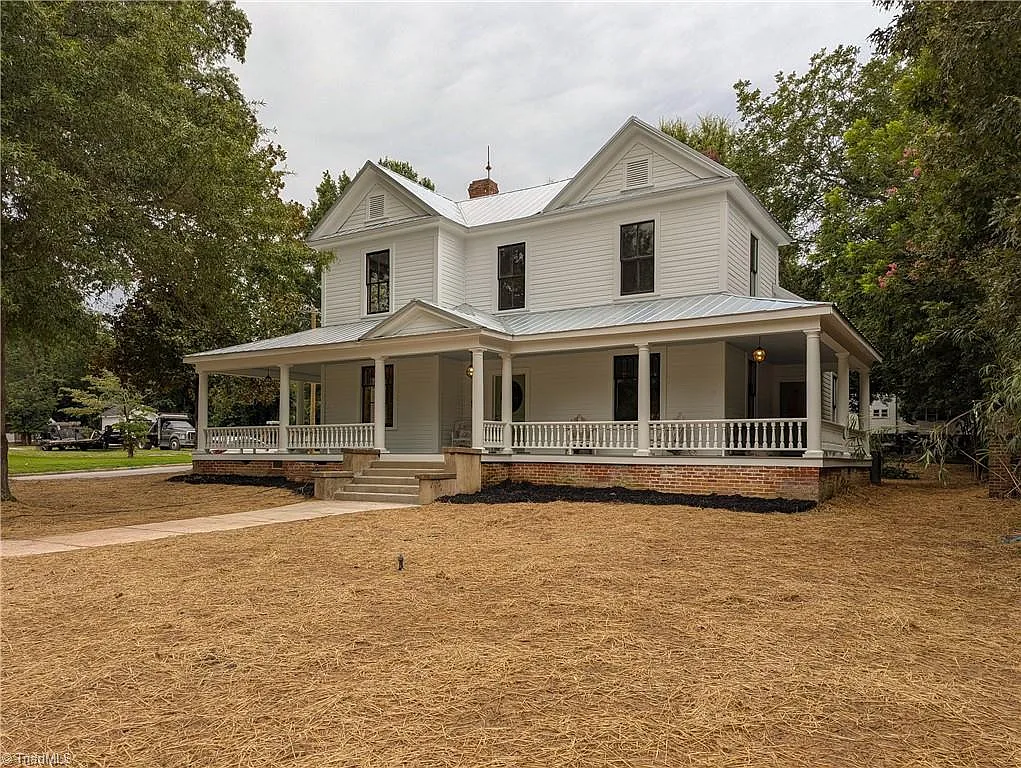
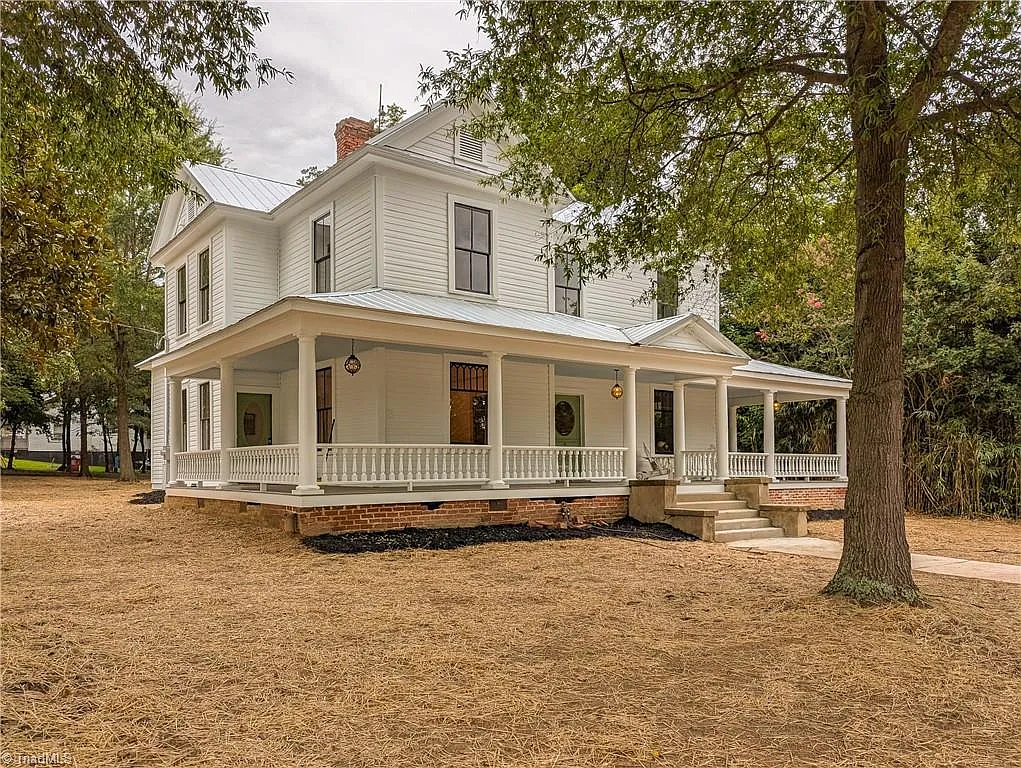
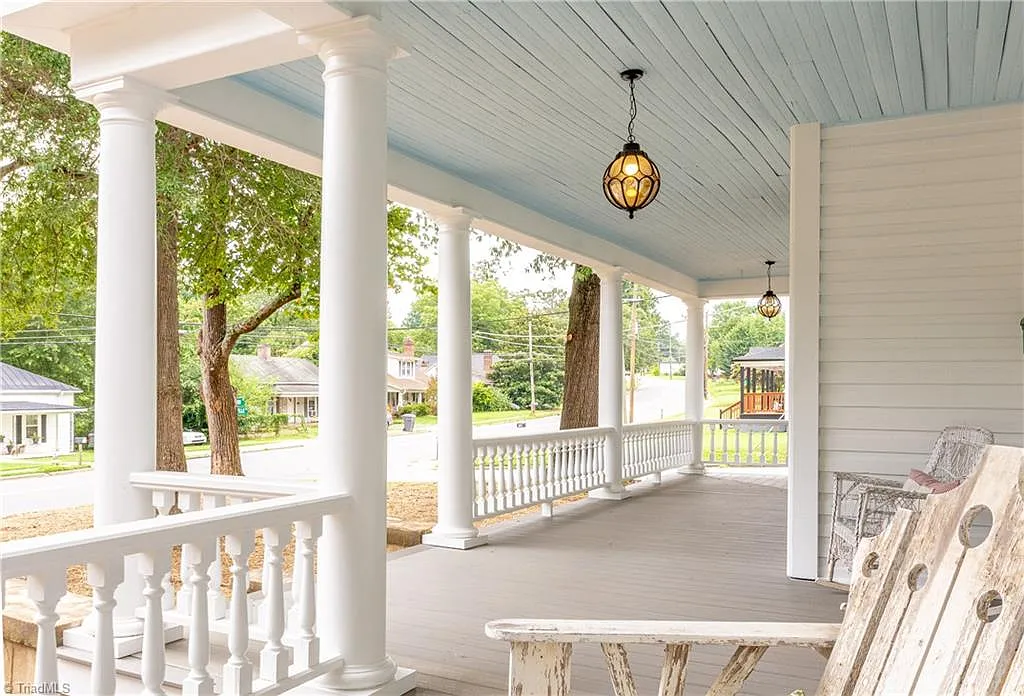
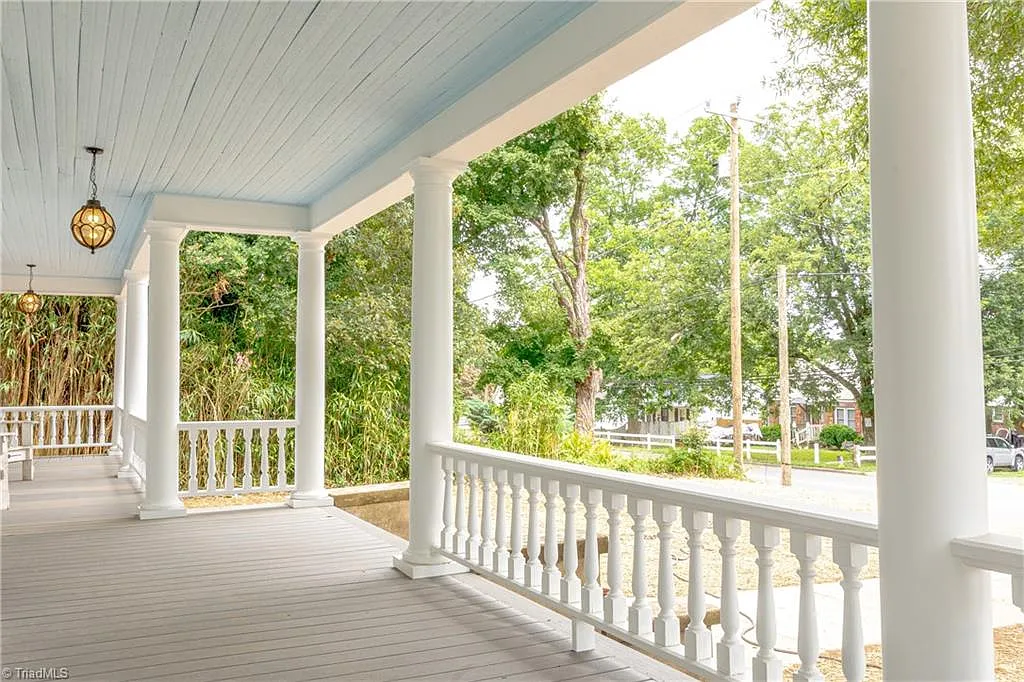
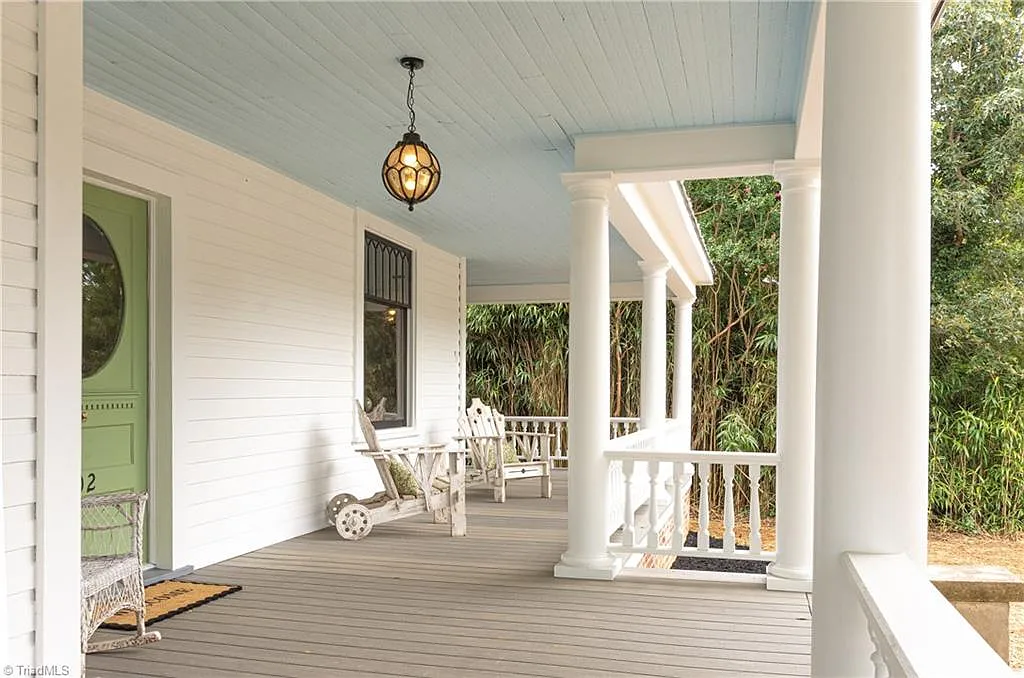
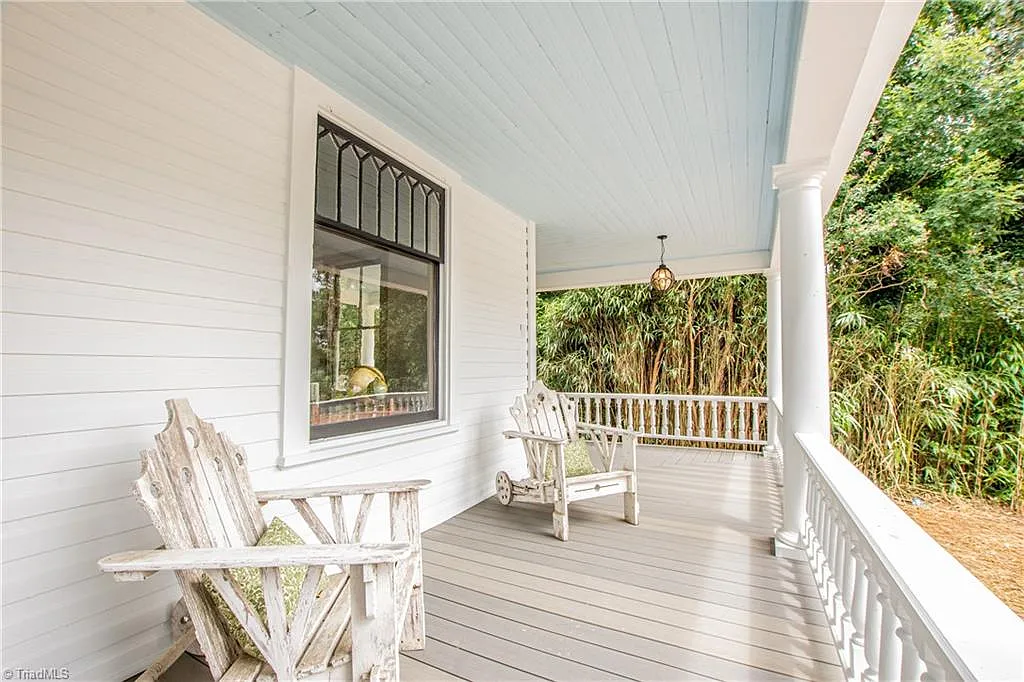
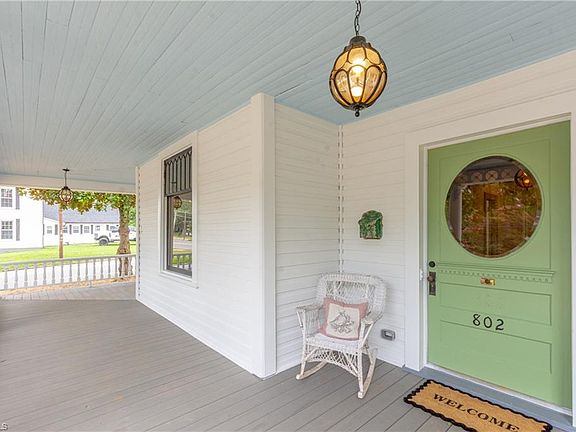
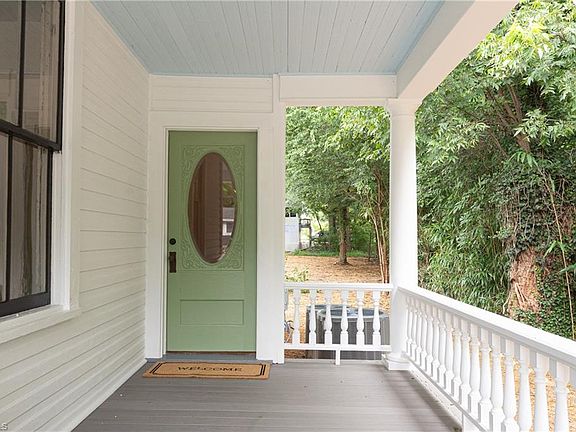
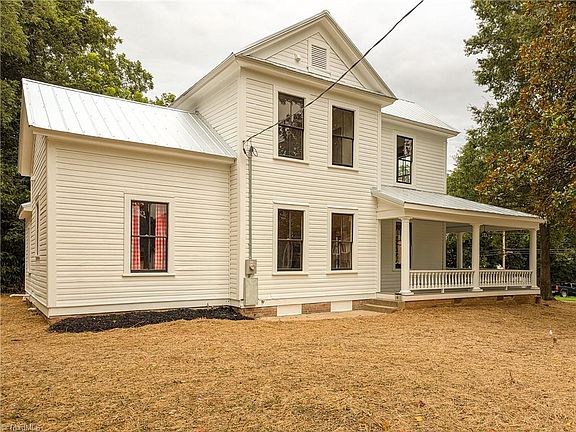
Architecturally, the home reflects the grace and proportions of early 20th-century Southern design. The expansive wraparound porch immediately invites slow living, conversation, and the enjoyment of changing seasons. This porch is not a decorative afterthought but a true extension of the home’s living space. Recently updated with composite decking, it offers durability without sacrificing visual appeal, ensuring that future owners can enjoy it for years without constant maintenance. It is easy to imagine mornings spent with coffee, evenings with friends, and long weekends where time seems to stretch just a bit longer.
Inside, the home reveals a careful balance between restoration and modernization. One of the most remarkable aspects of this property is the extent of the renovations that have already been completed. A new metal roof crowns the structure, offering longevity and peace of mind. All major systems, including electrical, plumbing, and HVAC, have been replaced, addressing the most significant concerns buyers often have when evaluating older homes. In real estate terms, this work represents both value and relief, removing uncertainty and allowing the next owner to focus on living rather than repairing.
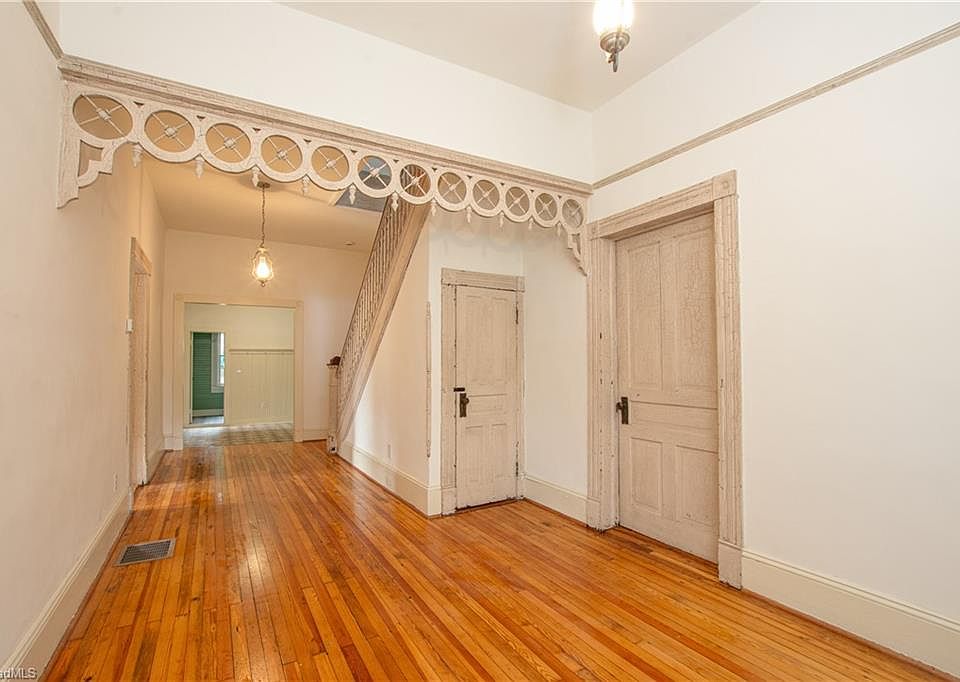
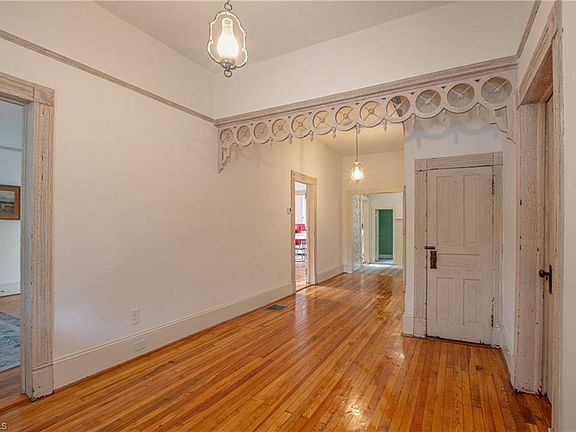
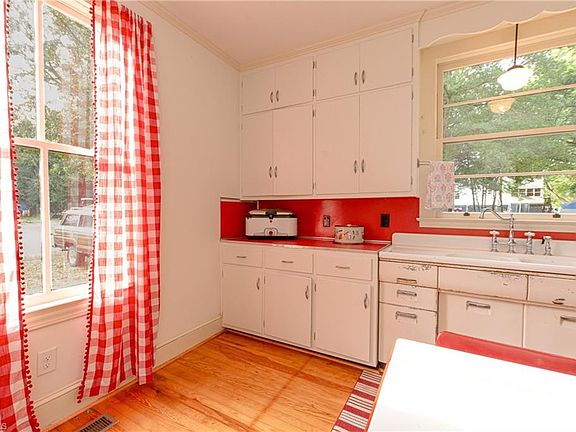
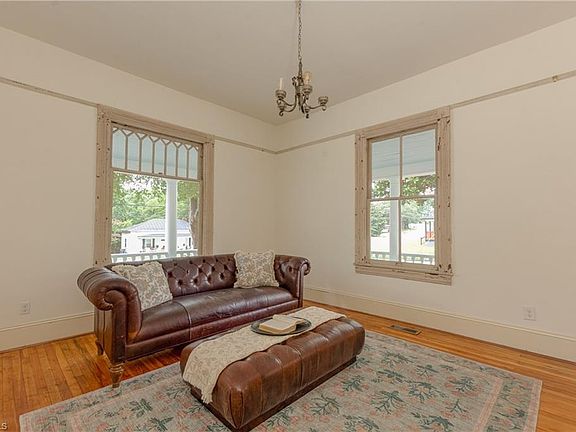
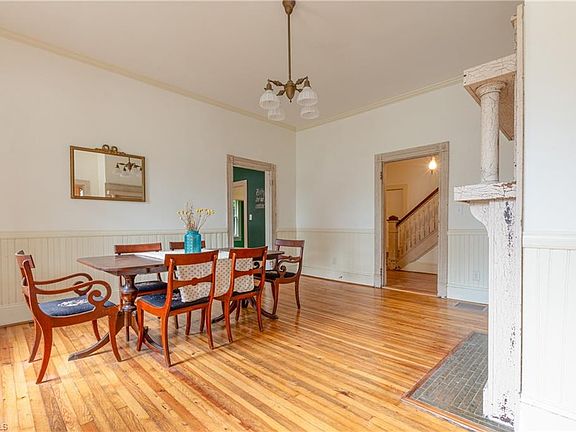
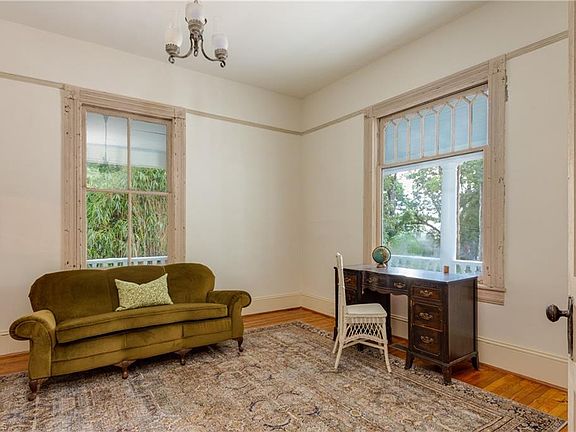
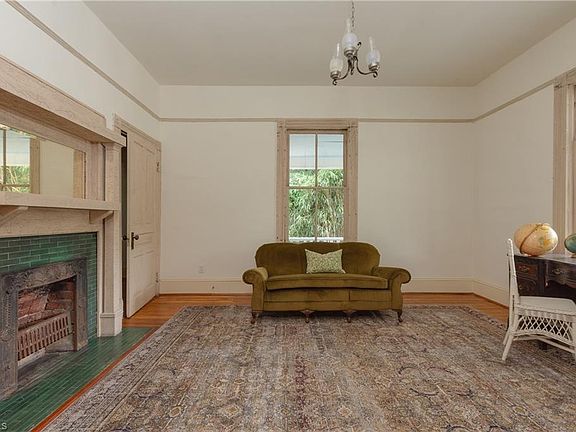
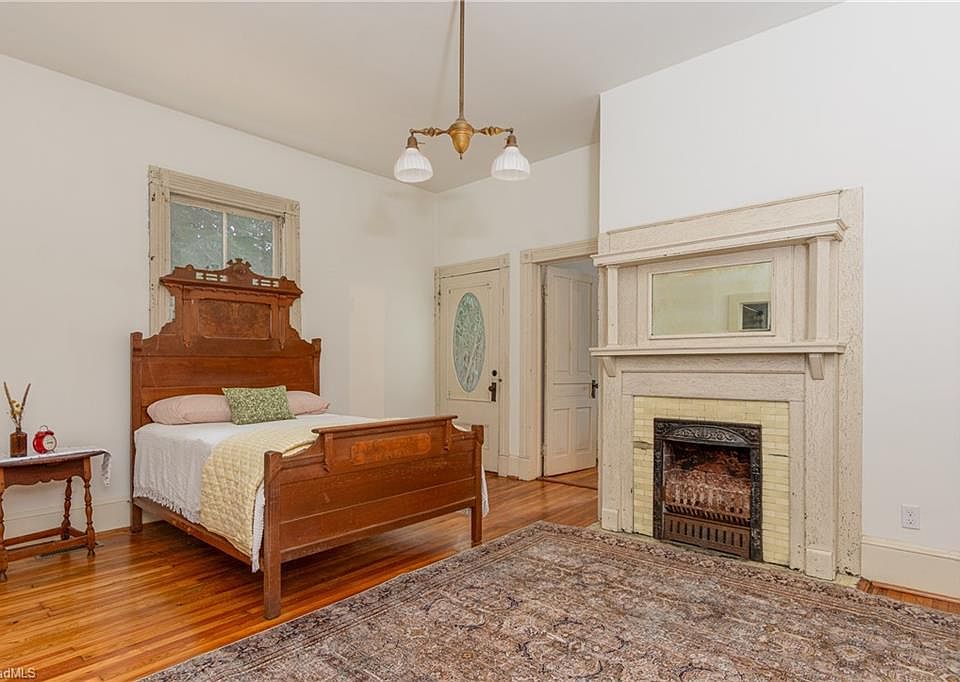
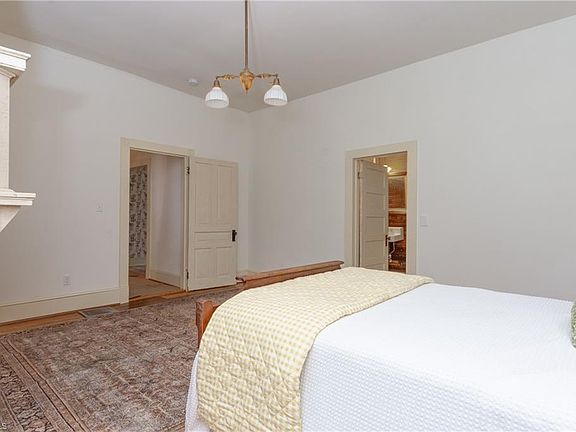
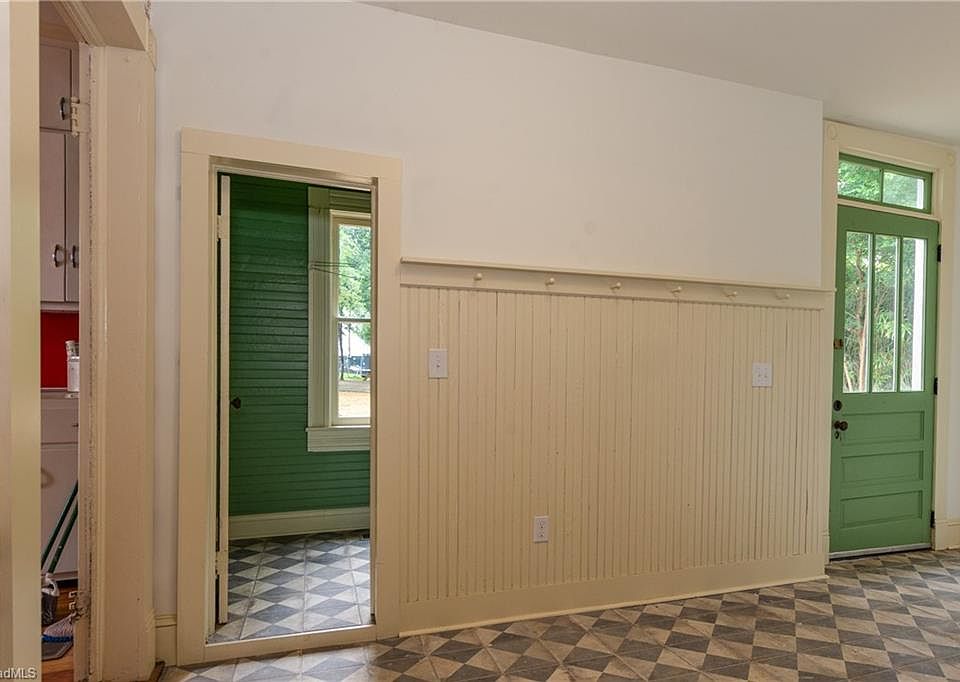
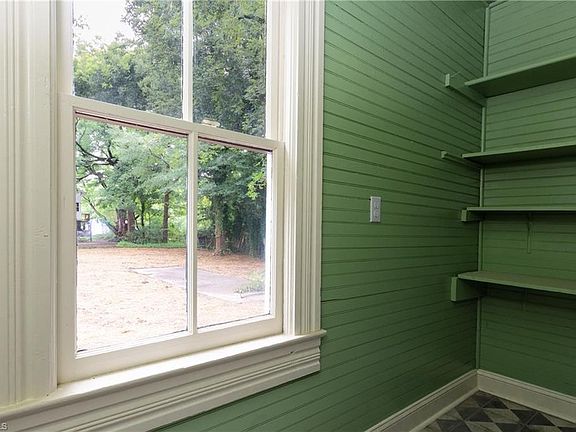
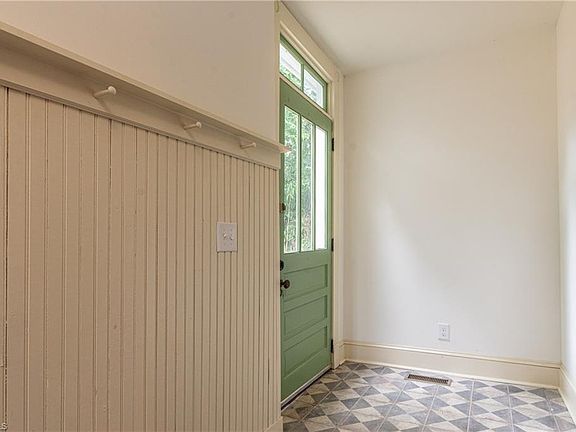
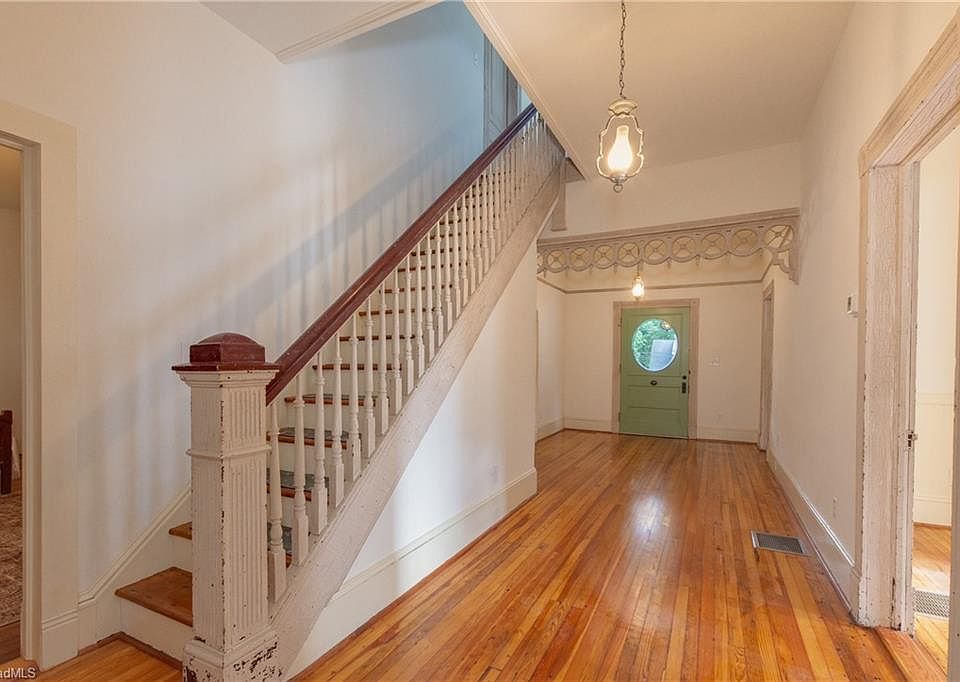
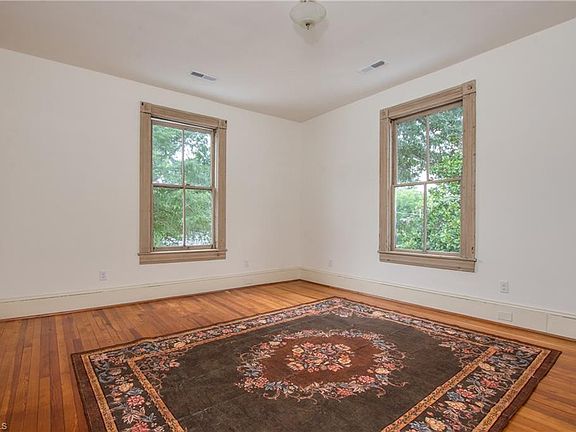
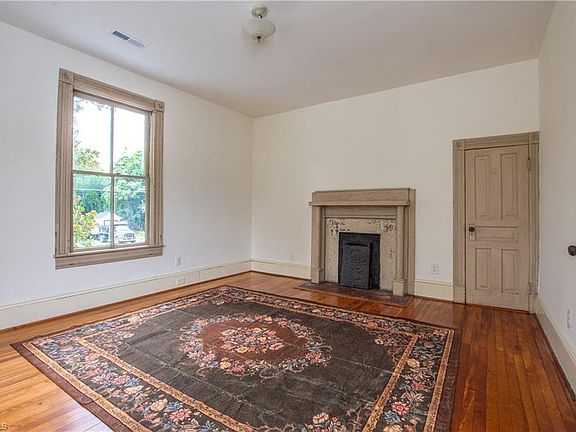
What truly sets this home apart, however, is the way these updates were carried out. Rather than stripping the house of its character, the renovations were undertaken with respect for its original features. Original lighting fixtures have been rewired rather than replaced, preserving their historic presence while ensuring safety and functionality. Wood windows remain operable, a testament to the craftsmanship of the era and a feature increasingly rare in modern construction. These details matter to buyers who appreciate authenticity and understand that true charm cannot be manufactured.
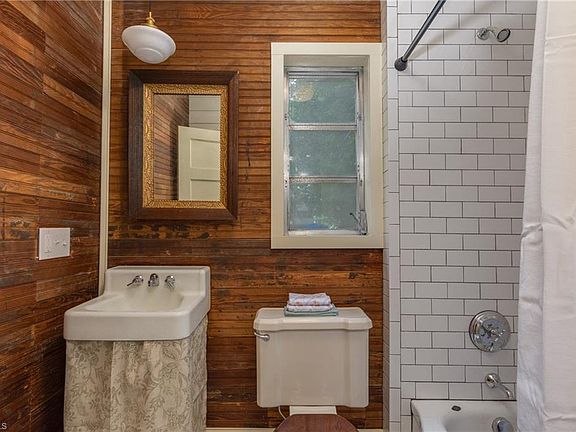
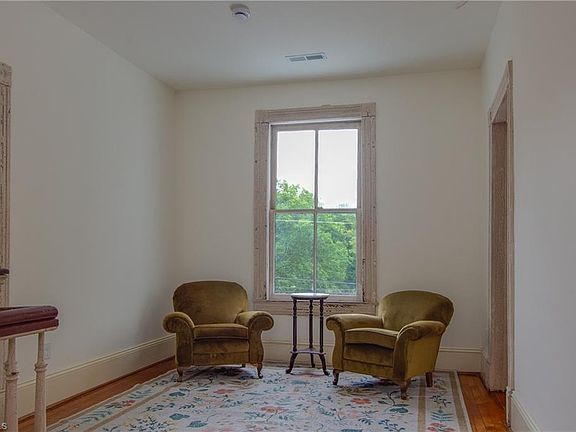
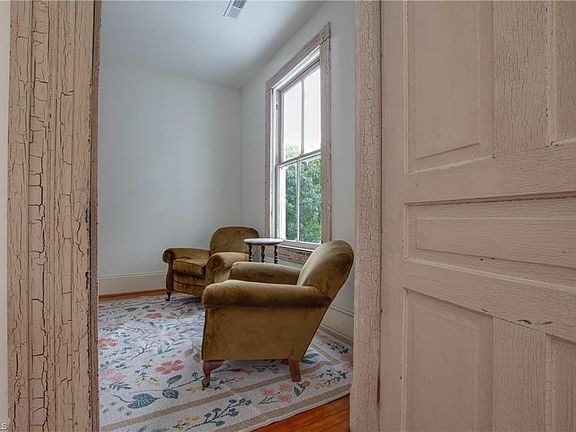
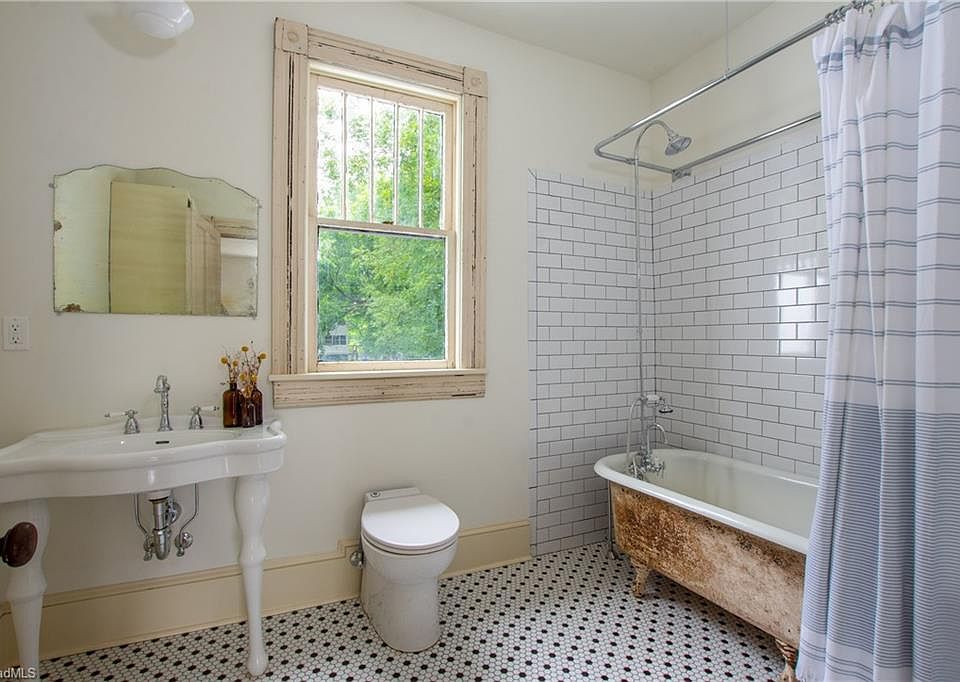
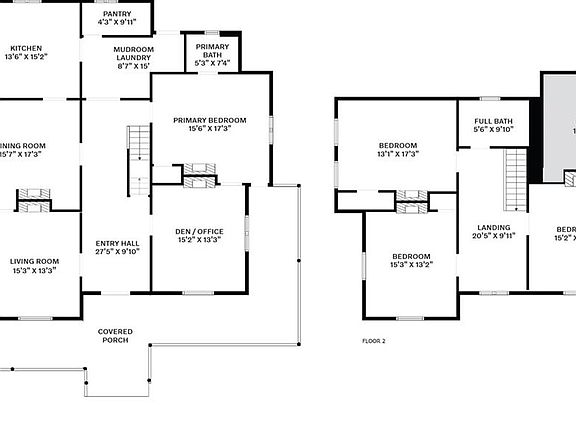
The interior spaces flow in a way that feels both generous and intimate. With over 2,500 square feet of living space, the home provides ample room for daily life without feeling overwhelming. Four bedrooms offer flexibility for families, guests, home offices, or creative spaces, while two bathrooms have been restored in a manner that respects their original character. Restored bath fixtures serve as subtle reminders of the home’s age, blending nostalgia with usability.
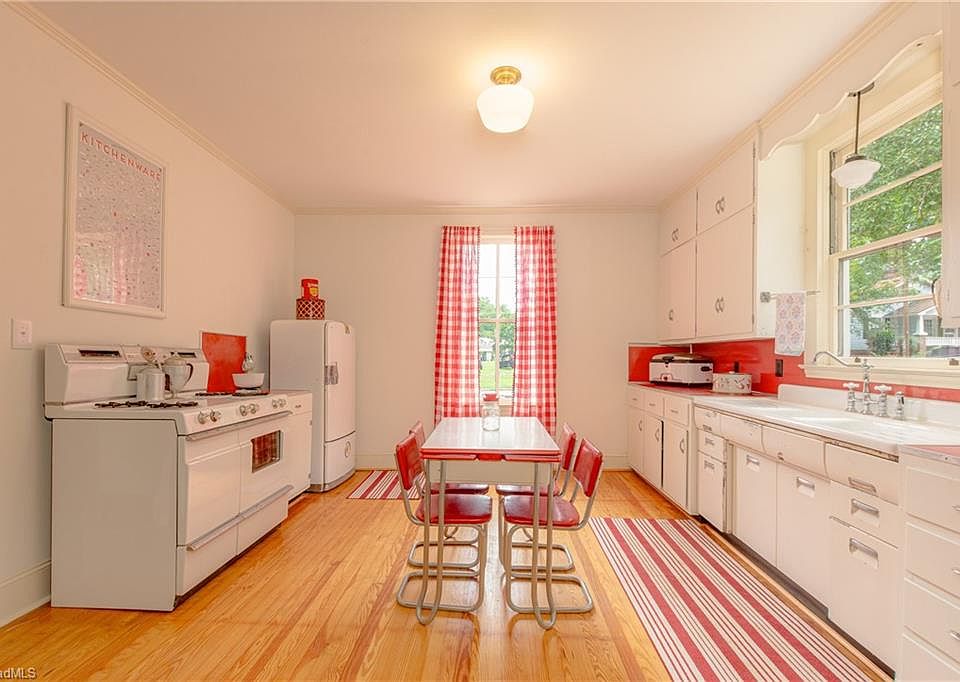
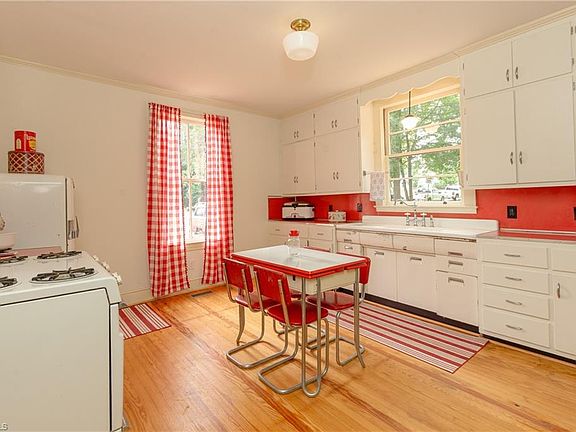
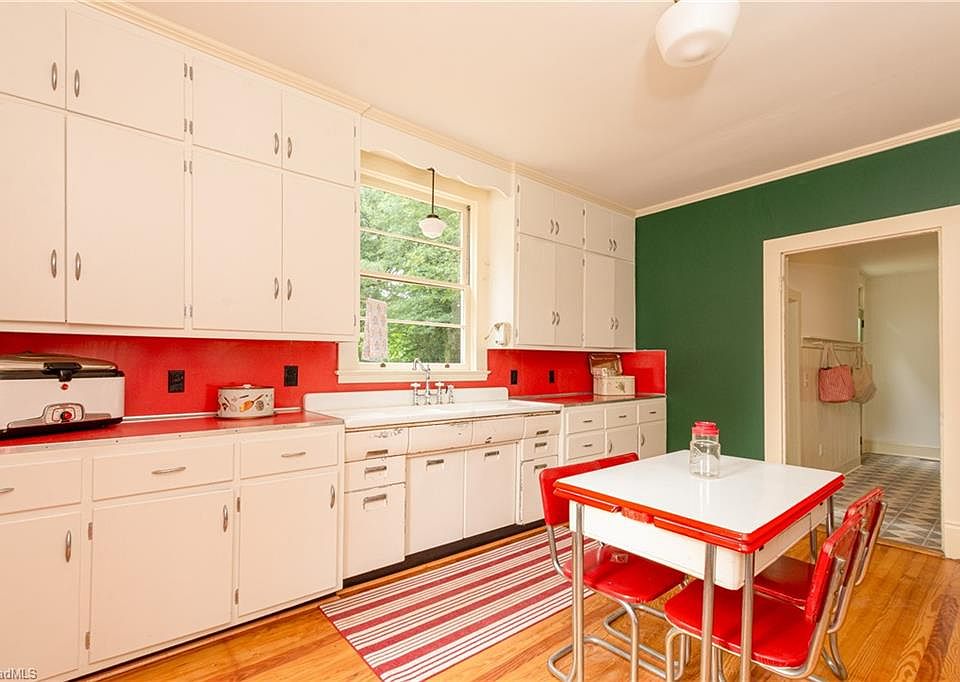
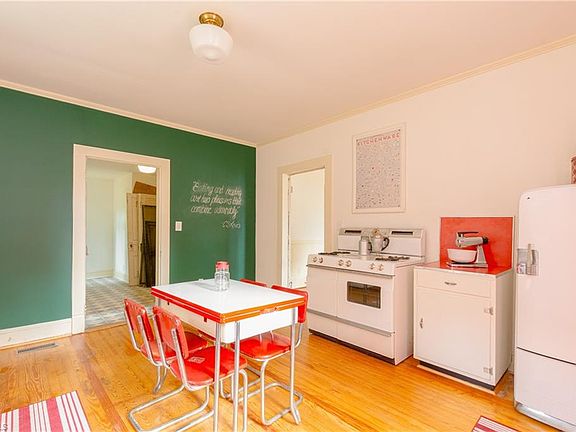
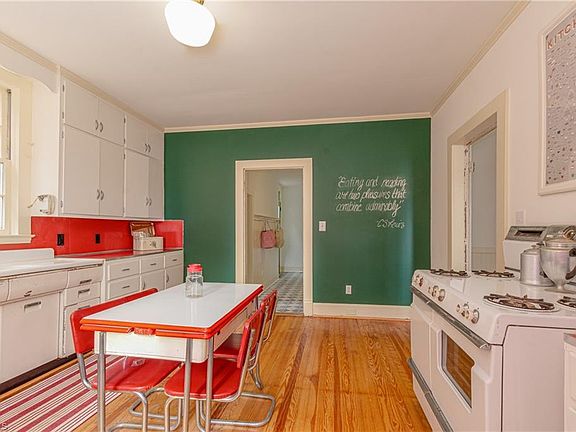
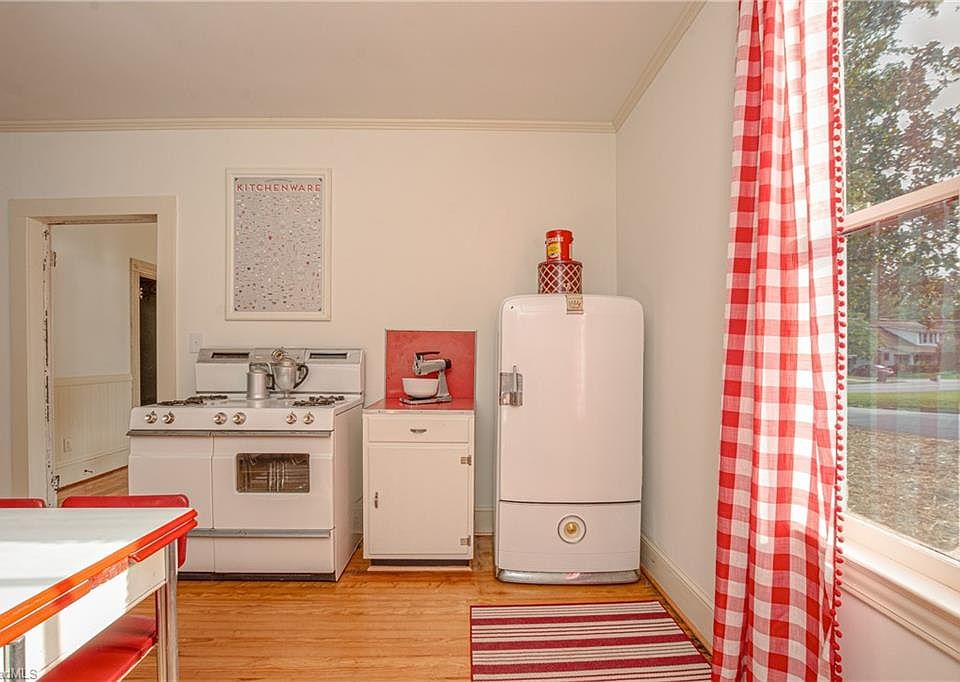
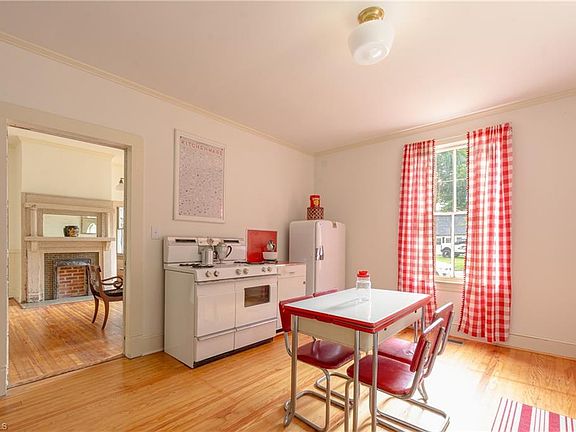
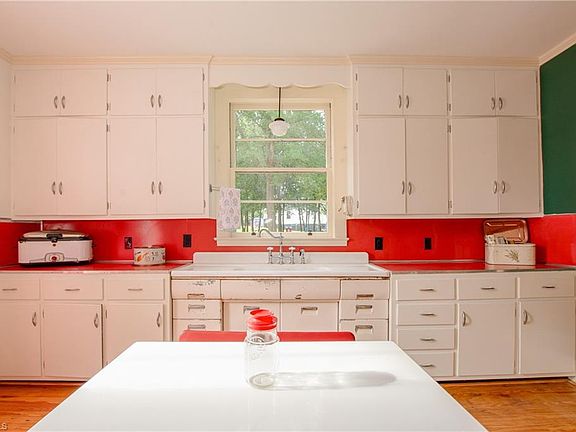
The kitchen deserves special attention, as it represents a philosophy that permeates the entire house. Rather than replacing everything with modern equivalents, the kitchen retains working vintage appliances, hand-built cabinetry, and a rare double pan drainboard farm sink with its original cabinet. These elements are not merely decorative; they are functional pieces of history. For buyers accustomed to seeing character stripped away in the name of convenience, this kitchen offers a refreshing alternative. It invites a slower, more intentional relationship with the space, one where cooking feels connected to tradition rather than trend.
At the same time, the kitchen remains practical. Its layout supports everyday use, and the charm does not come at the expense of usability. This balance is crucial in determining whether an older house truly works as a modern home. In this case, the answer is yes. The space feels lived-in rather than staged, welcoming rather than precious.
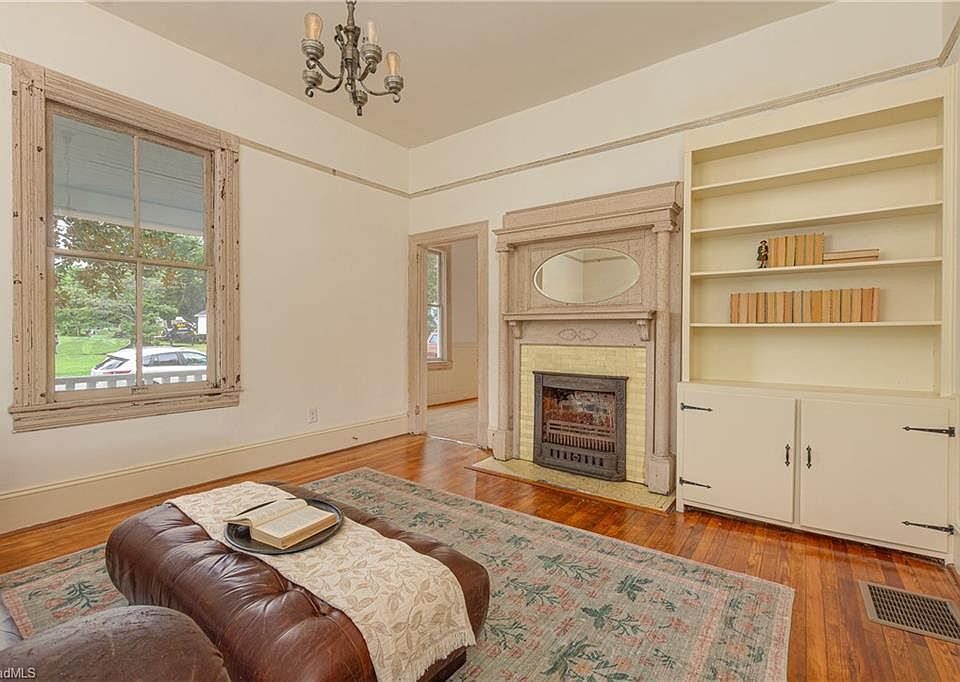
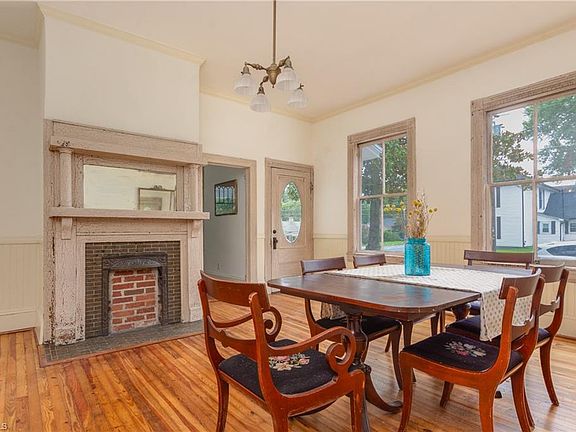
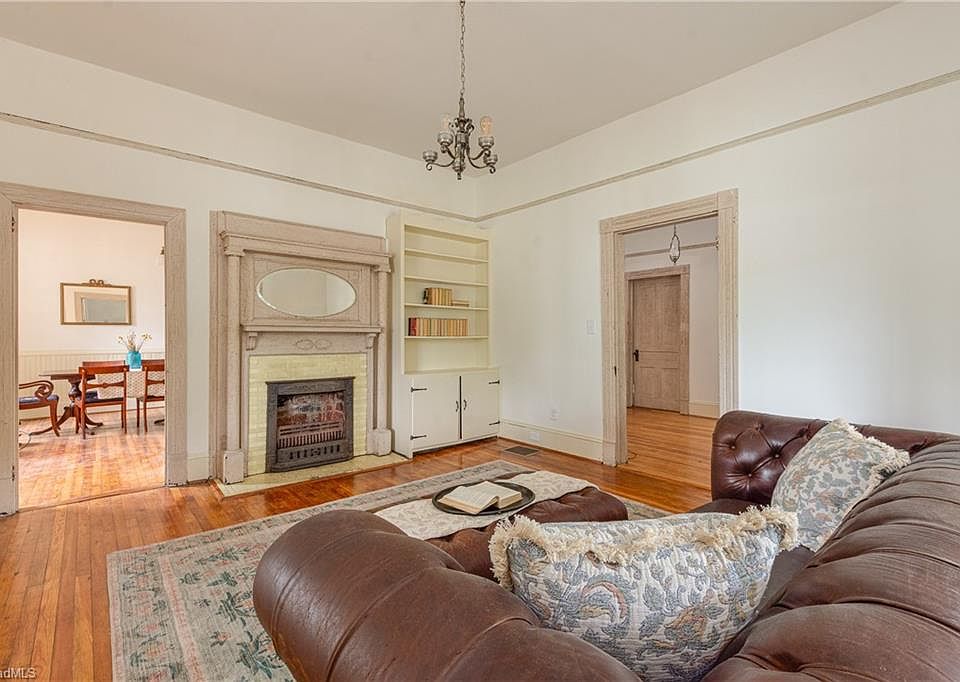
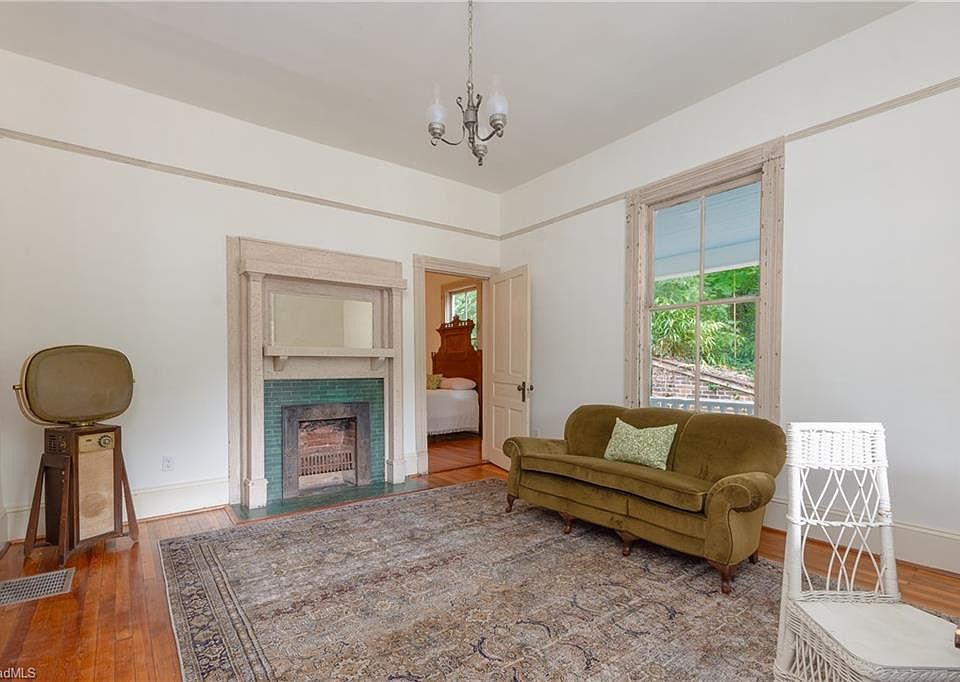
Throughout the home, original fireplace surrounds anchor the rooms, adding warmth and architectural interest even when not in use. Fireplaces in historic homes often serve as focal points, and here they reinforce the sense of permanence and craftsmanship that defines the property. Paired with original woodwork and thoughtful restoration choices, these features contribute to an interior that feels cohesive and authentic.
From a real estate perspective, the work already completed significantly strengthens the home’s position in the market. Buyers evaluating homes for sale often weigh charm against cost, wondering how much investment will be required after closing. In this case, the heavy lifting has been done. The new owner steps into a house that has been cared for with intention, where updates were made not to flip, but to preserve. This distinction matters, particularly to buyers working with a realtor who understands the long-term implications of restoration quality.
The outdoor space further enhances the lifestyle offered by the property. The large rear lot provides opportunities that extend beyond aesthetics. Gardening enthusiasts will appreciate the room to cultivate, while families may envision play areas or future additions. Even for buyers who simply want privacy, the yard offers a buffer from the surrounding environment, reinforcing the feeling of retreat despite the home’s proximity to downtown.
Location remains one of the strongest assets of this property. Positioned within a small-town setting yet within commuting distance of Greensboro’s airport and Danville, Virginia, the home offers accessibility without congestion. This makes it particularly appealing to buyers who work in larger markets but prefer the pace and familiarity of a smaller community. In real estate listings, this balance is often described but rarely achieved as seamlessly as it is here.
There is also an intangible appeal to downtown living in a historic town. Walking distance to local amenities fosters connection, while the established neighborhood lends stability and character. For buyers who value community as much as square footage, this aspect of the home’s location can be just as important as the house itself.
When viewed through the lens of a real estate sale, the asking price reflects not only the size and condition of the home, but the care invested in its preservation. While newer construction may offer efficiency, it cannot replicate the sense of history and individuality found here. For buyers seeking a house for sale that feels distinctive rather than interchangeable, this property stands apart.
The Hooper House is particularly well-suited for buyers who appreciate narrative. Every room, every fixture, and every restoration choice contributes to a larger story. Living here means becoming part of that story, adding another chapter rather than starting from scratch. This sense of continuity often resonates deeply with buyers who see a home as more than a transaction.
From an investment standpoint, well-preserved historic homes with updated systems often hold their value and appeal strongly to niche markets. A knowledgeable realtor will recognize that this property speaks to buyers who are willing to pay for authenticity and quality. These buyers are not simply searching for a home listed for sale; they are searching for a place that aligns with their values and lifestyle.
It is also worth noting the emotional experience of the house. The wraparound porch, the restored details, the vintage kitchen, and the spacious yard combine to create a feeling of warmth and welcome. This is the kind of home where gatherings feel natural, where routines develop organically, and where the passage of time is felt but not rushed.
In an era when many homes are renovated quickly and uniformly for resale, this property offers an alternative rooted in patience and respect. The work completed here suggests an owner who understood the importance of preservation and invested accordingly. For the next buyer, this translates into confidence and appreciation.
Ultimately, this home represents a convergence of history, craftsmanship, and modern comfort. It is a reminder that real estate is not only about buying property, but about choosing how and where to live. For those who value authenticity, space, and a meaningful connection to place, this house offers a rare opportunity.
As it stands listed for sale, the Hooper House is ready for its next chapter. The systems are in place, the character is intact, and the setting is inviting. All that remains is for a new owner to move in, make it their home, and continue the quiet legacy of a house that has already lived many lives.
Photos:



Listed by:
Teresa Blackburn 336-618-0182,
Keller Williams Realty Elite
