
103 W Burnette Ave, Enfield, NC 27823
$39,900 | 1910 | 3,600 Sq. Ft. | 5 Beds | 2 Baths | 0.49 Acres
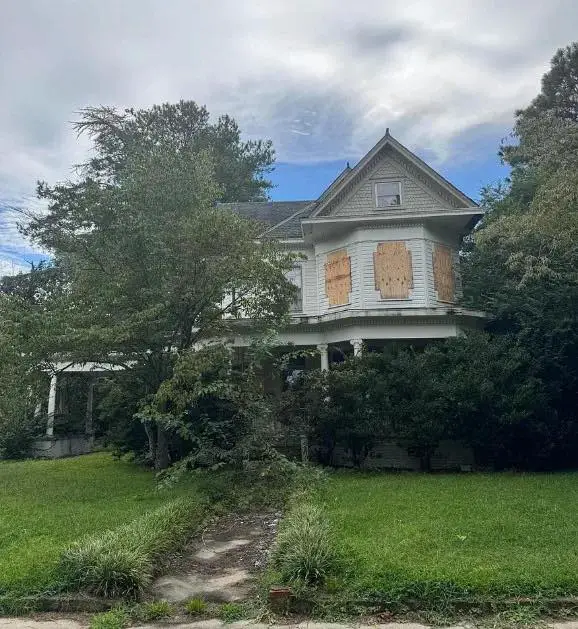
There is a certain kind of opportunity that only appears occasionally in the real estate market, the kind that speaks directly to investors, renovators, and visionaries who know how to recognize potential beneath unfinished work. This is one of those opportunities. Built in 1910, this substantial early-20th-century home offers scale, history, and a foundation of major improvements already in place, creating a compelling starting point for anyone looking to add value through renovation and thoughtful restoration.
Homes from this era were constructed with proportions that are increasingly rare today. With approximately 3,600 square feet of interior space, this property immediately distinguishes itself from smaller investment options. Five bedrooms and two bathrooms provide a flexible layout that can support multiple exit strategies, whether the end goal is resale, rental, or even a multi-tenant configuration if permitted by local zoning. In the context of real estate investing, square footage and bedroom count are two of the most powerful value drivers, and this home delivers both in abundance.
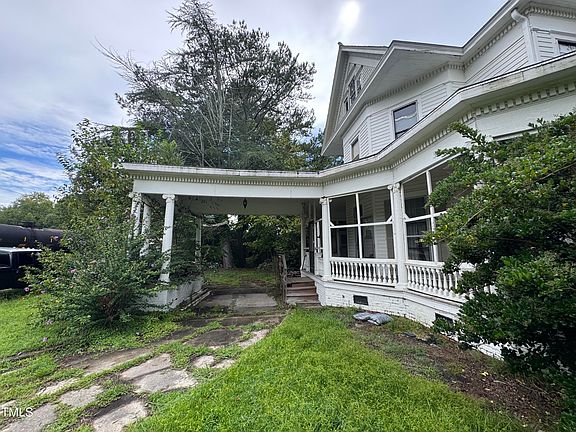
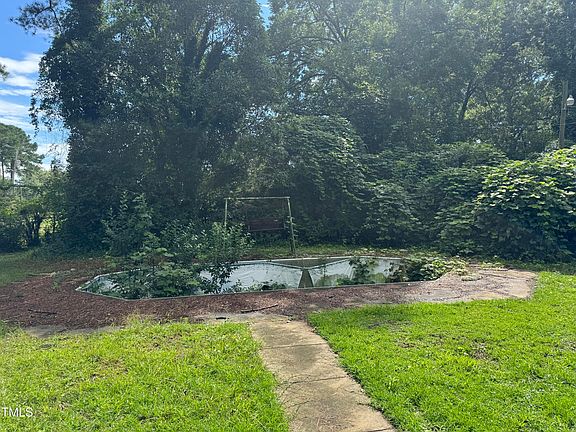
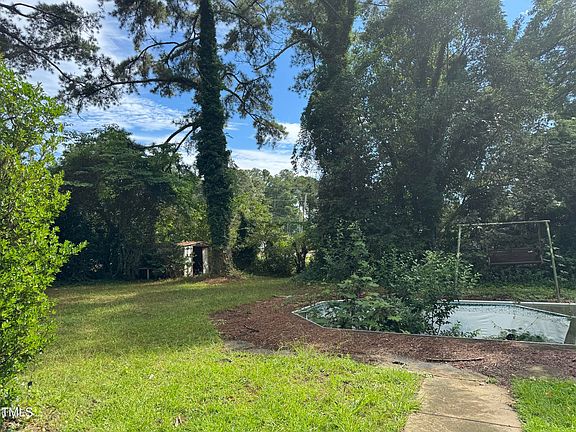
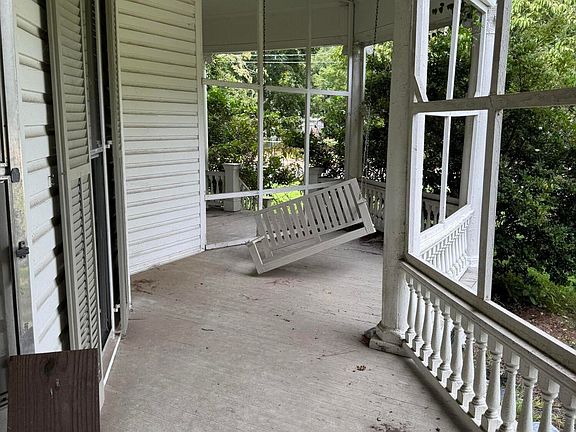
The structure sits on nearly half an acre, a lot size that further strengthens its appeal. Land remains one of the most stable components of real estate value, and having additional outdoor space opens the door to future enhancements such as expanded parking, outdoor living areas, or landscaping improvements that can significantly elevate curb appeal. In smaller towns and rural-adjacent markets, generous lots are often a major selling point, especially for buyers seeking room to breathe rather than dense development.
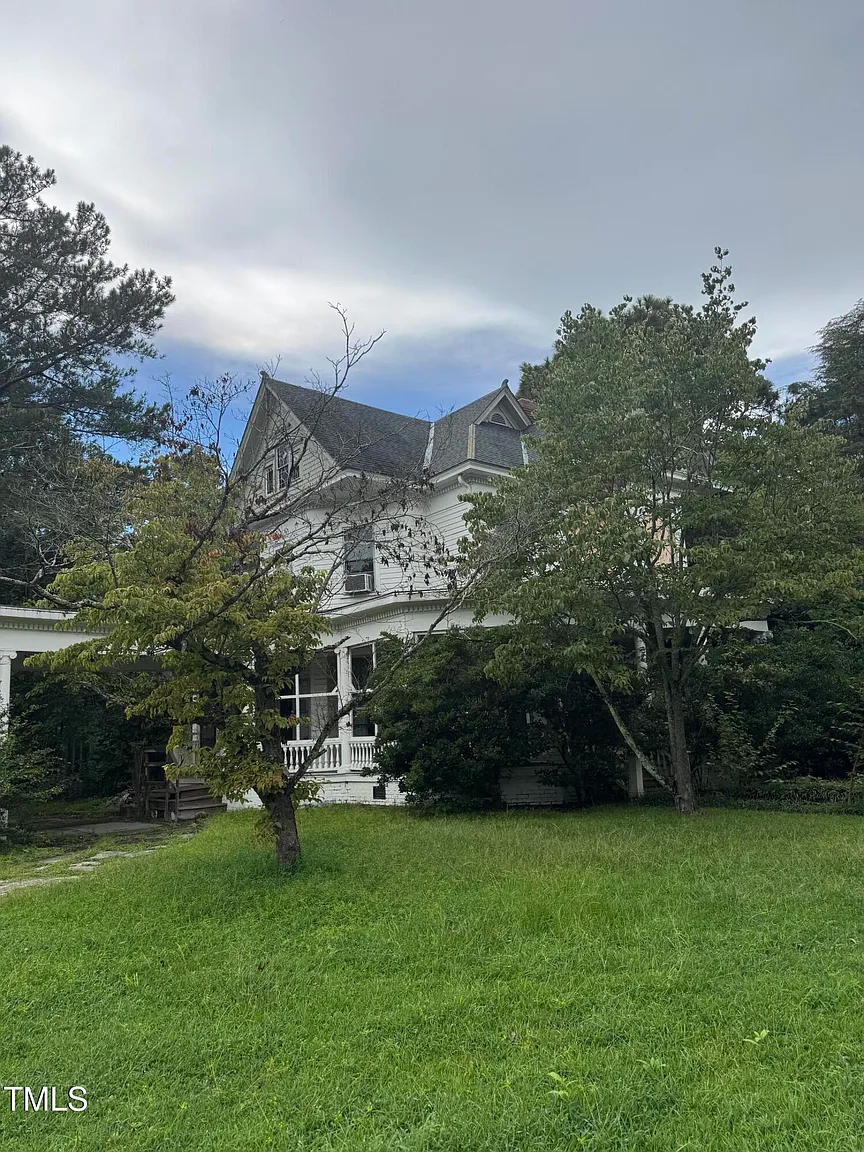
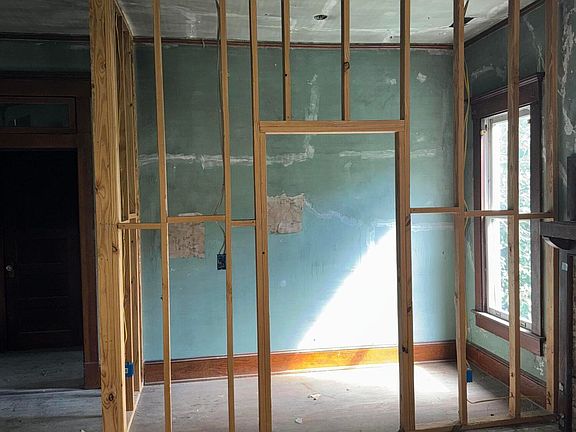
What makes this property particularly interesting from an investor’s perspective is the progress that has already been made. Some of the most expensive and disruptive components of a renovation have been addressed, laying essential groundwork for the next phase. The roof has been recently redone, removing one of the largest question marks that often deters buyers from older homes for sale. A newer roof not only protects the structure but also adds confidence for future owners, lenders, and insurers.
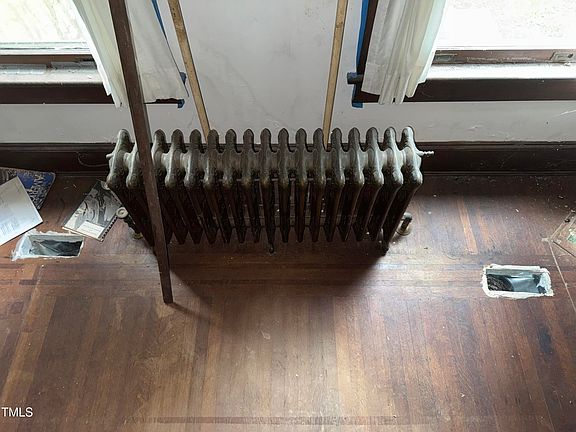
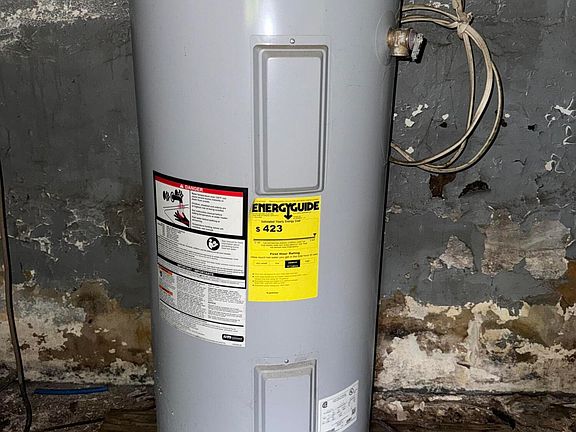
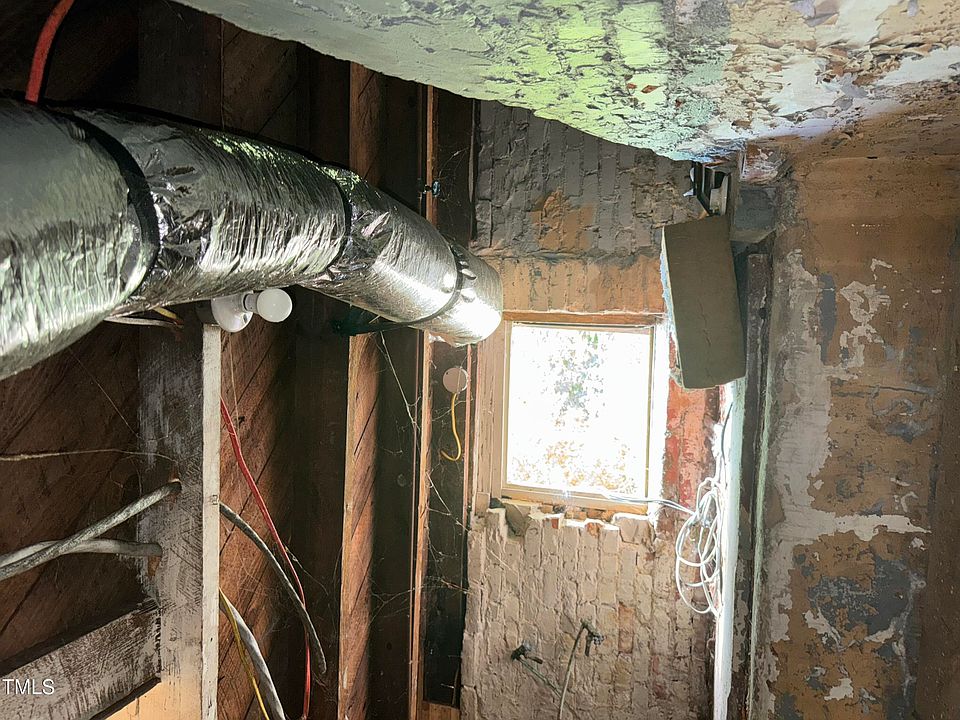
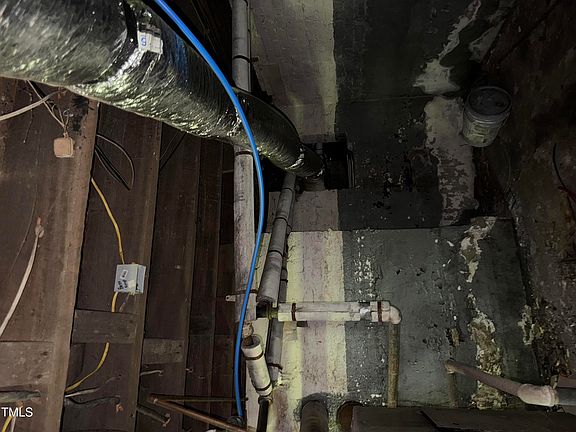
In addition, newer central heating and air conditioning systems are already in place. HVAC upgrades are another major line item in historic home renovations, and having this work completed represents significant savings in both time and money. Modern climate control also expands the home’s appeal to a broader buyer pool once renovations are complete, particularly in regions where comfort during hot summers and cooler winters is essential.
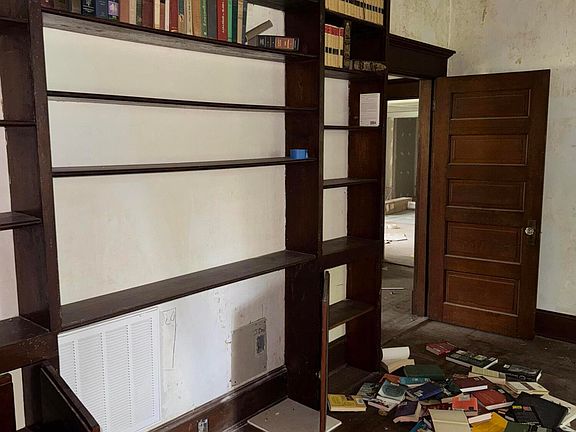
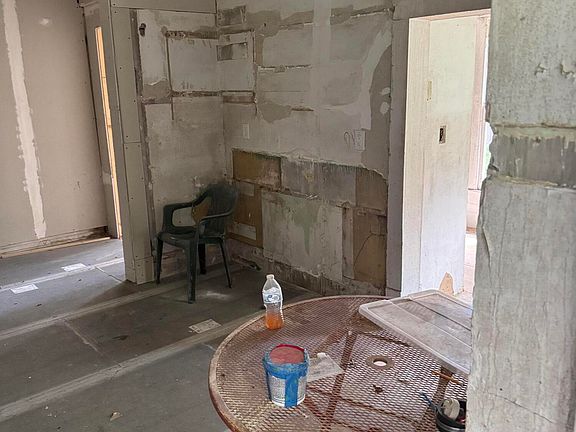
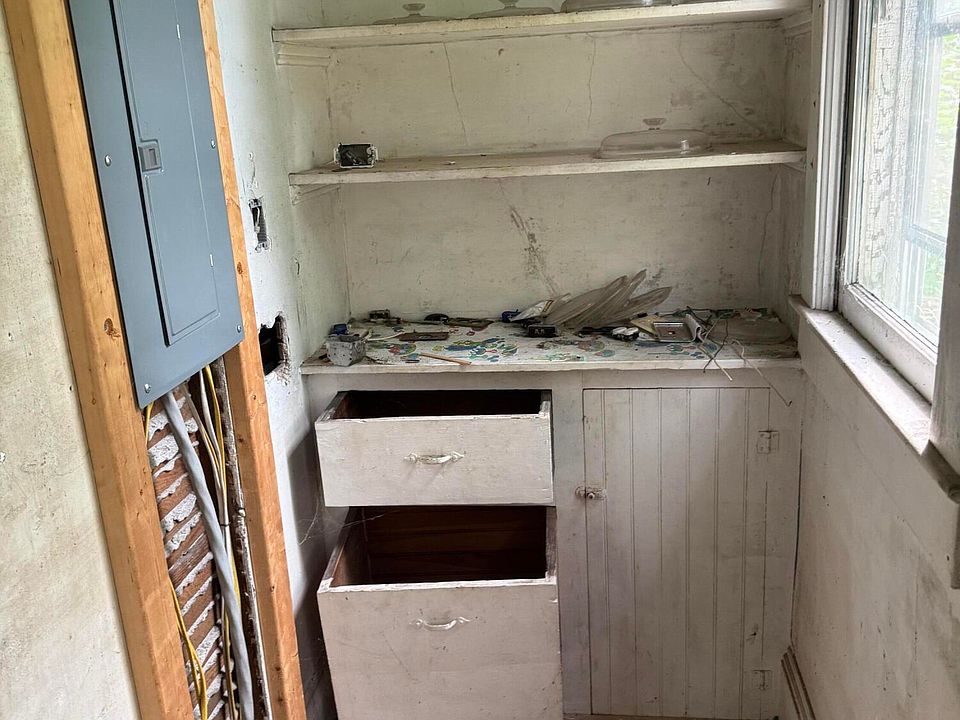
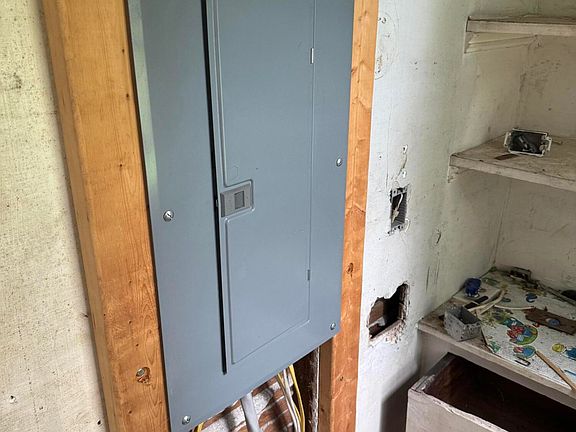
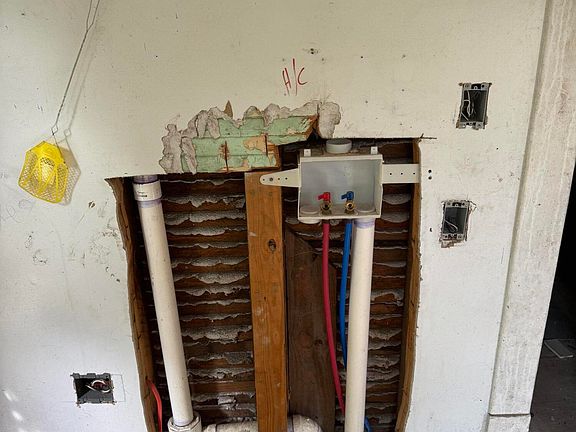
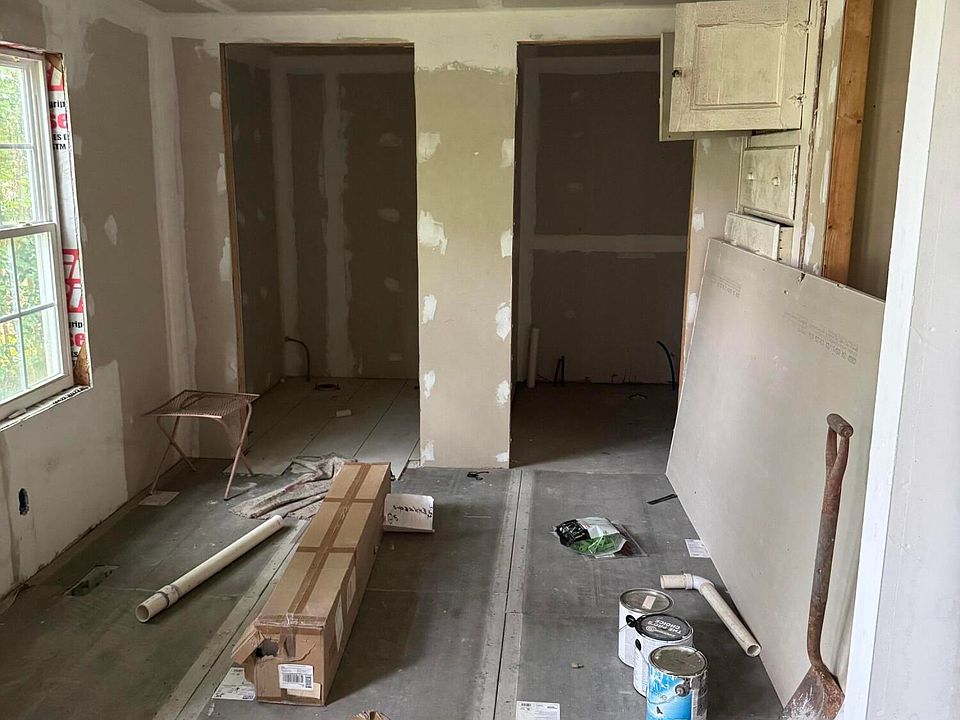
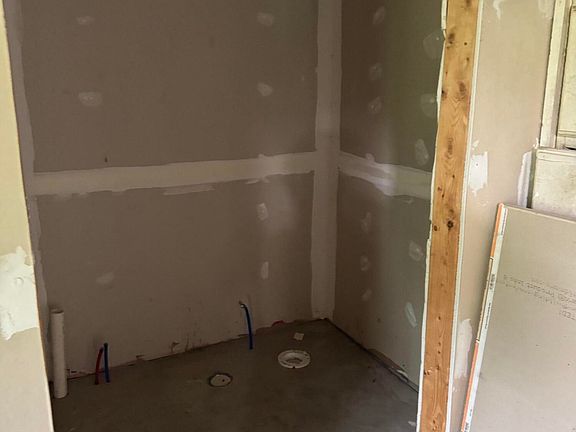
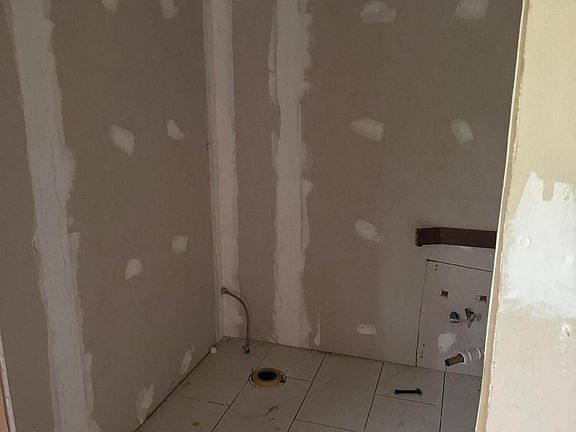
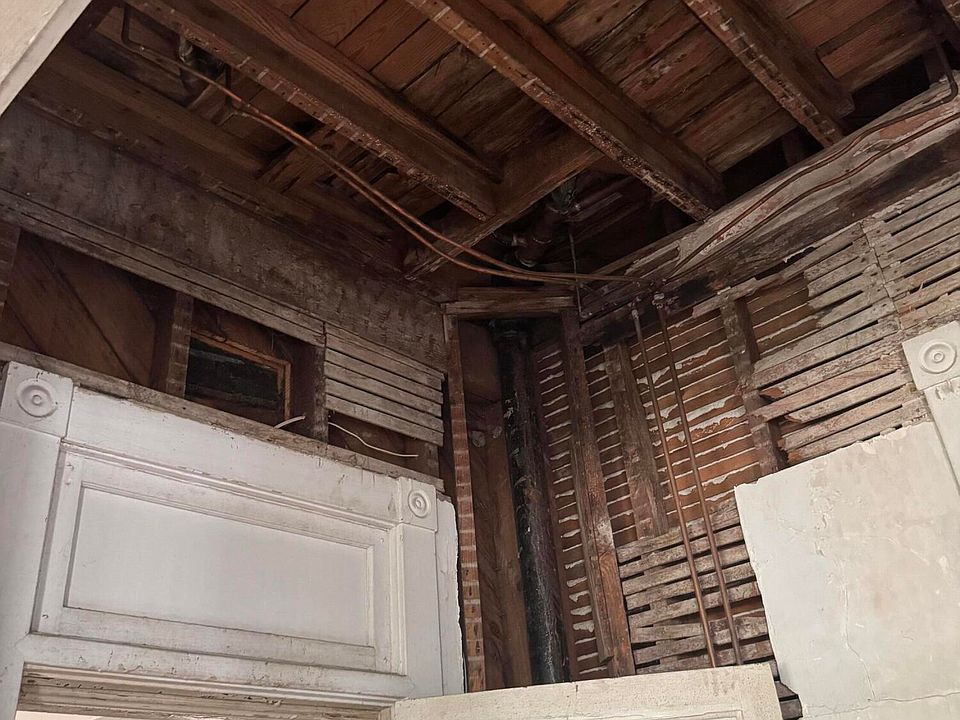
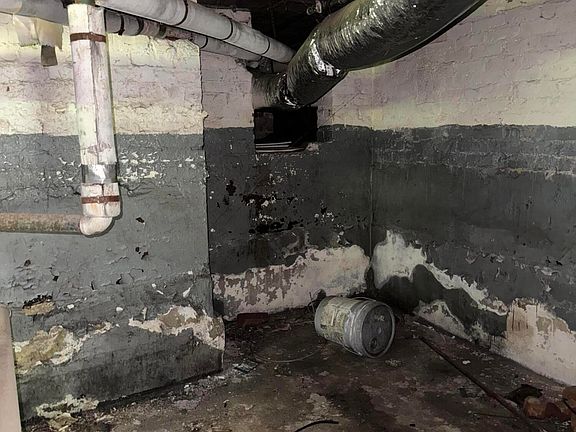
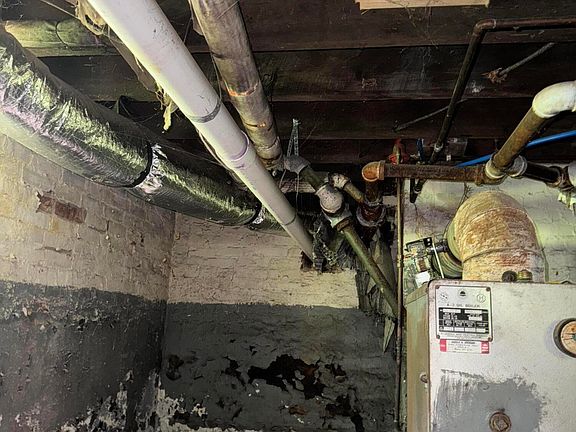
Plumbing and electrical updates have also been started, addressing two systems that are critical for both safety and functionality. In older homes built in the early 1900s, outdated wiring and plumbing are often among the biggest obstacles to resale. By tackling these systems early, the current condition reduces uncertainty for the next owner and allows future work to focus more on finishes, layout improvements, and cosmetic restoration rather than purely structural necessities.
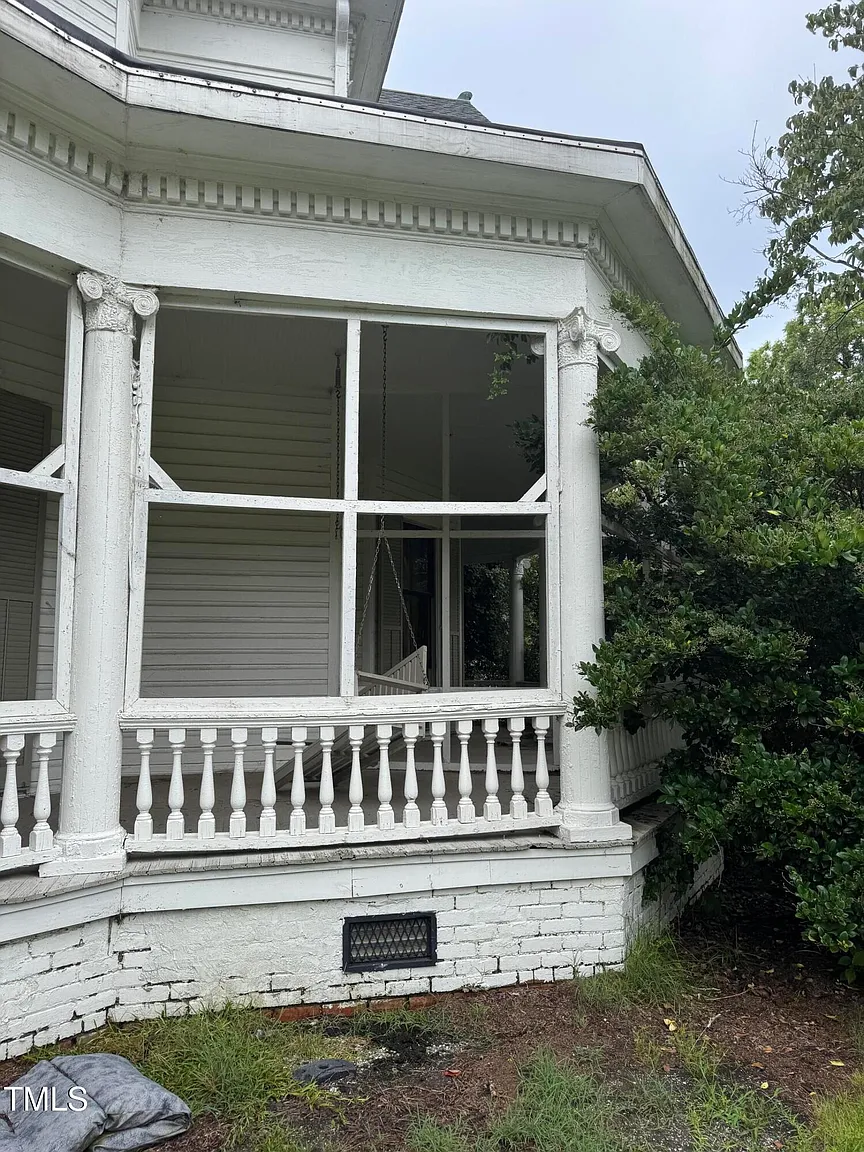
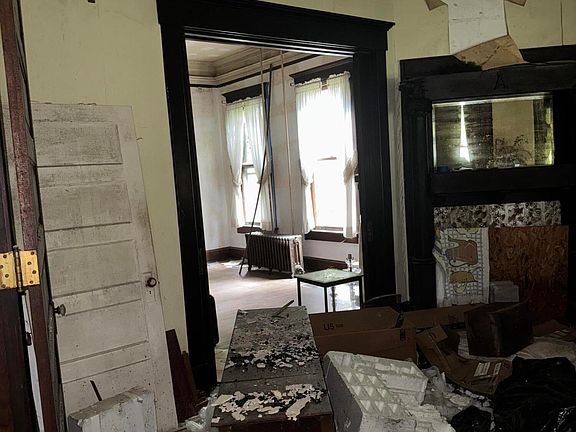
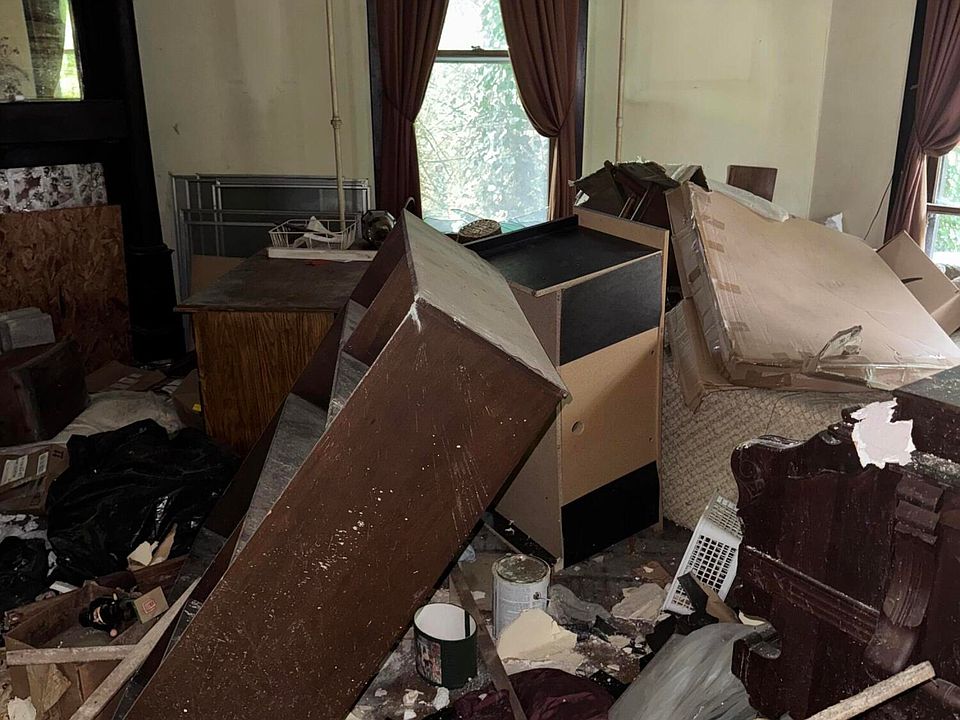
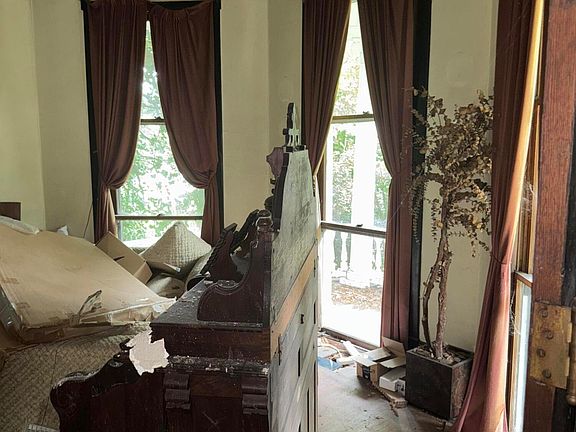
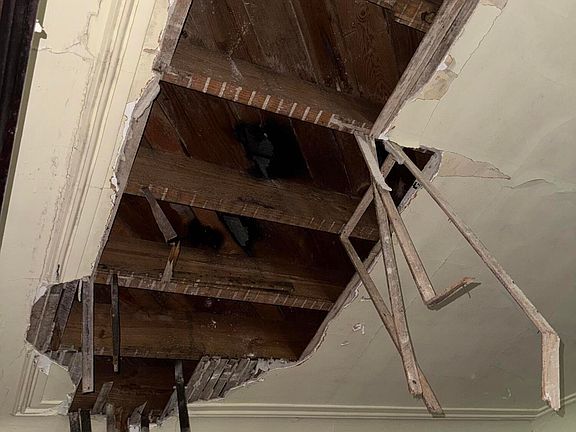
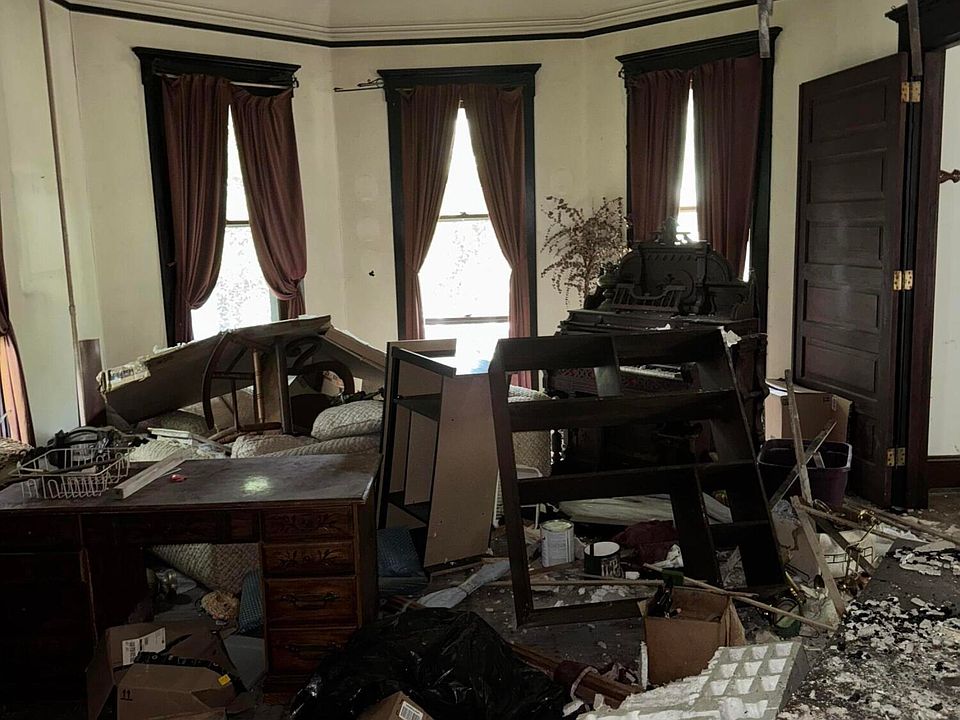
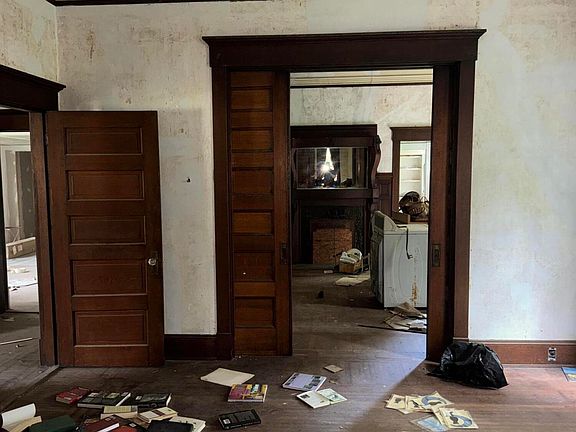
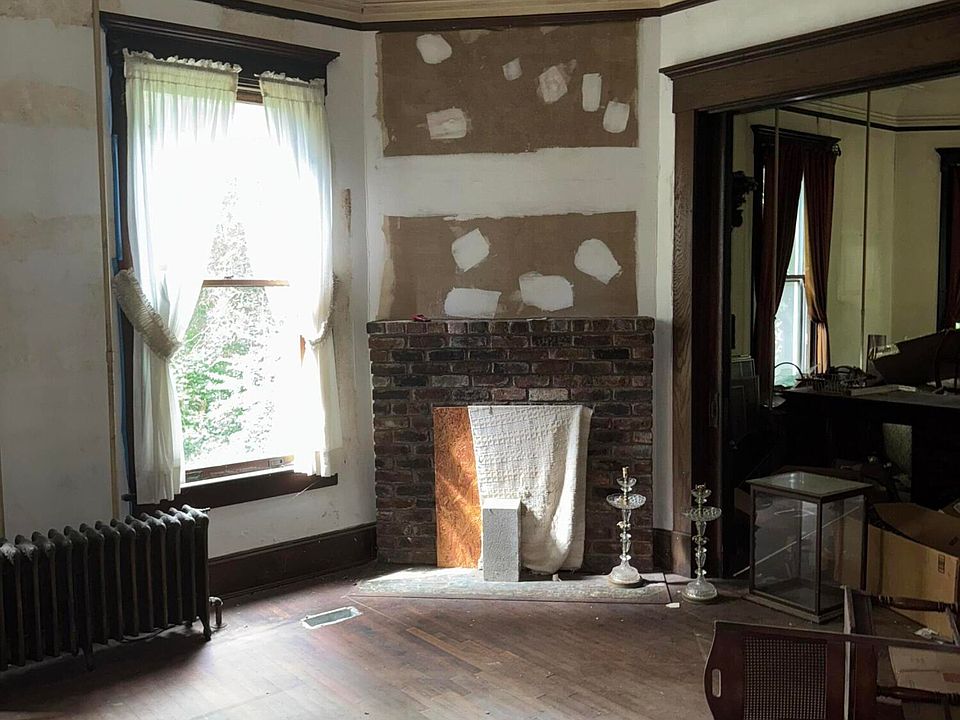
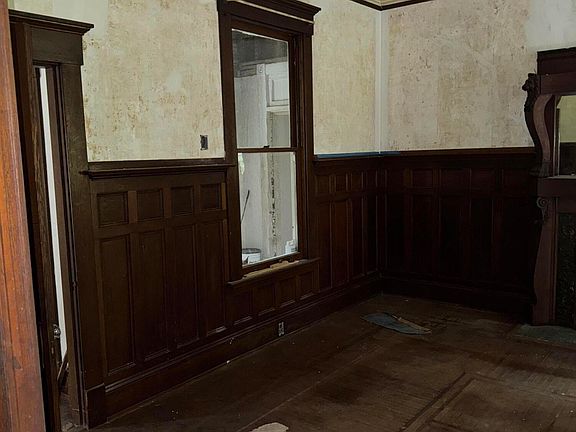
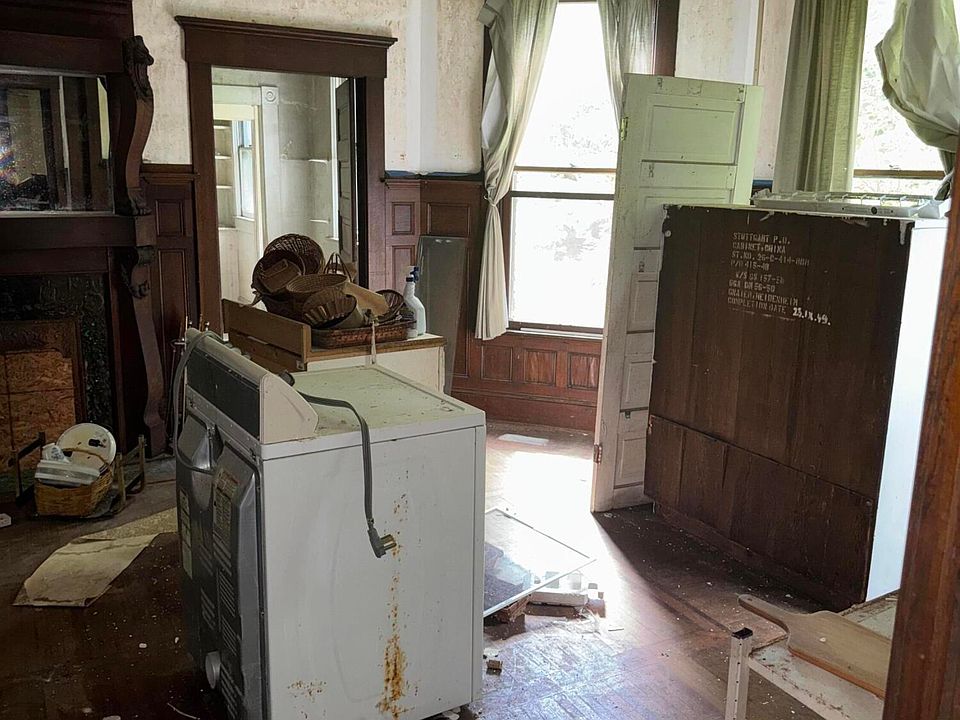
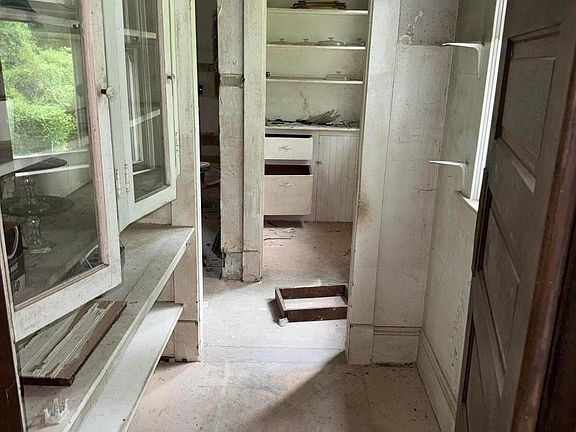
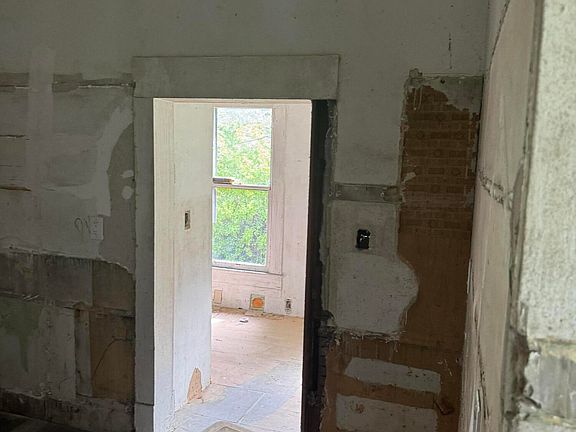
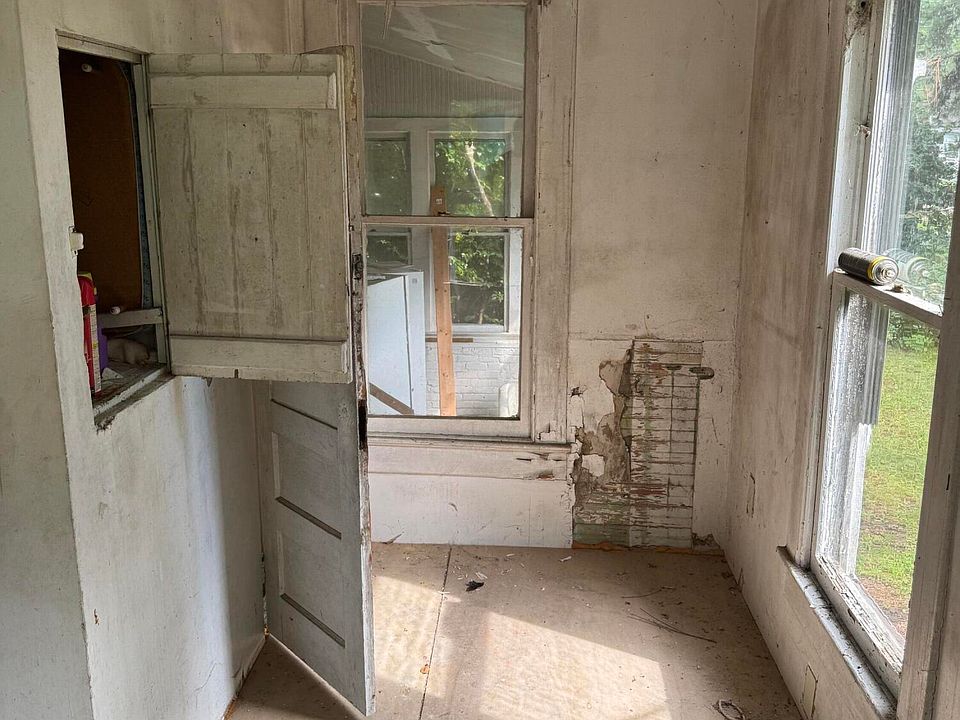
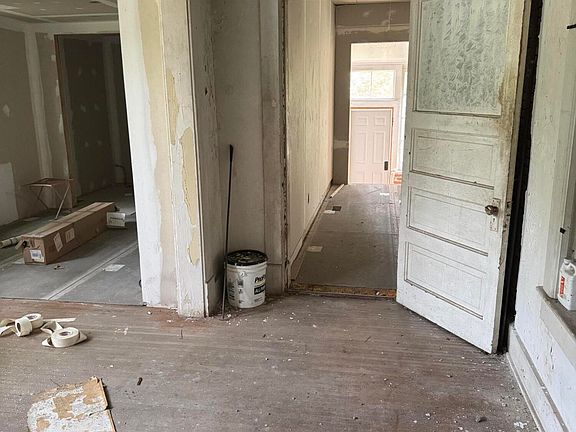
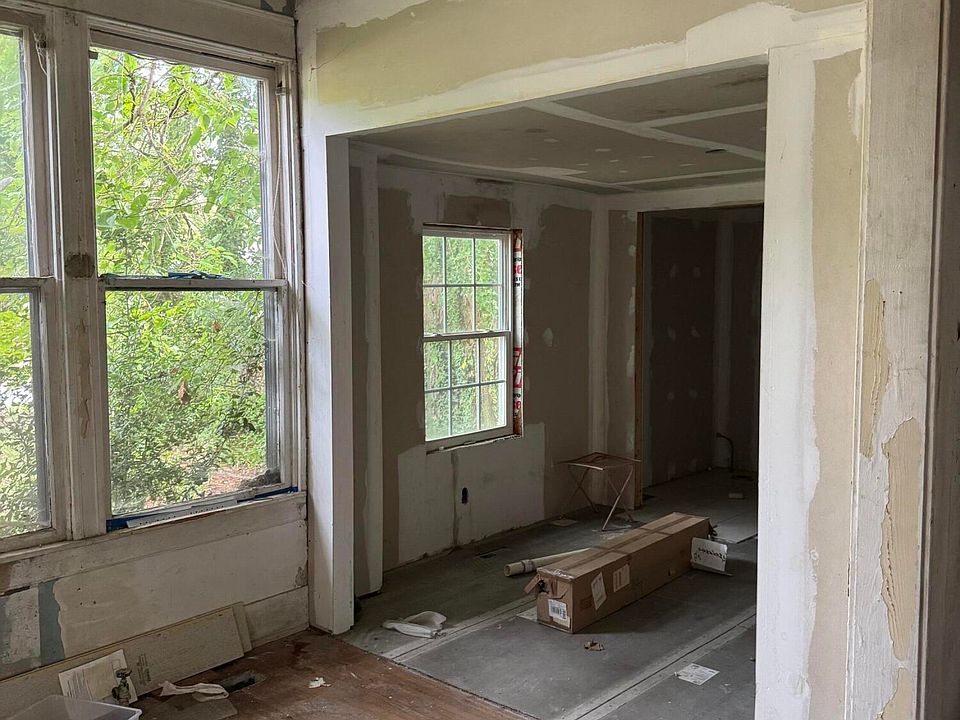
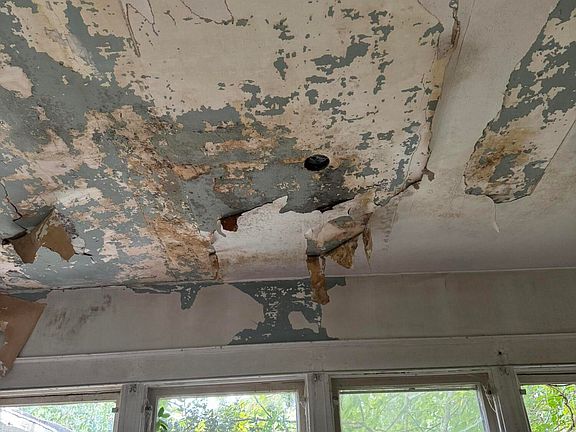
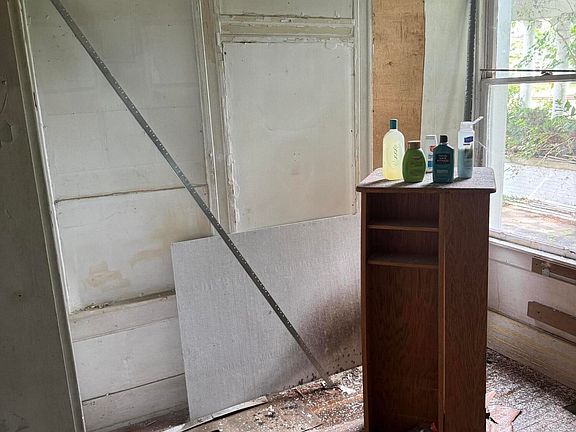
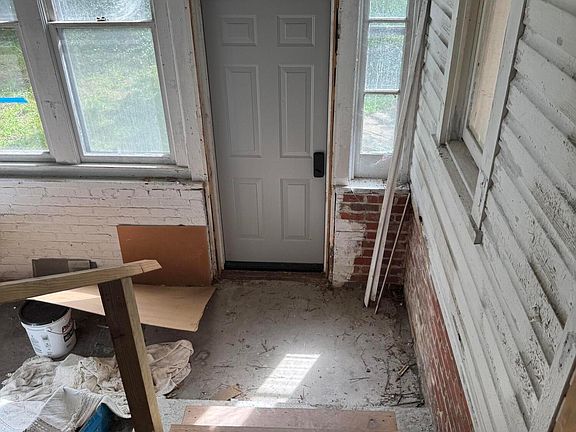
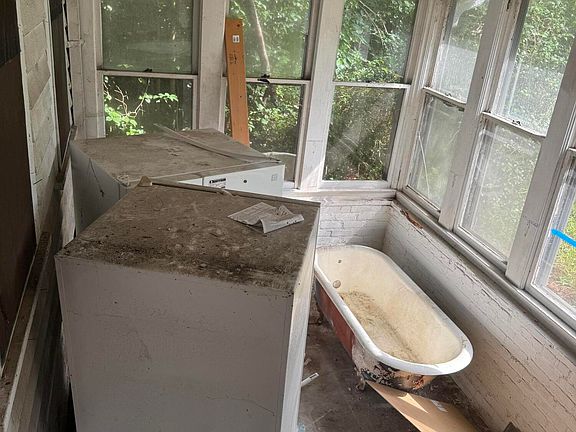
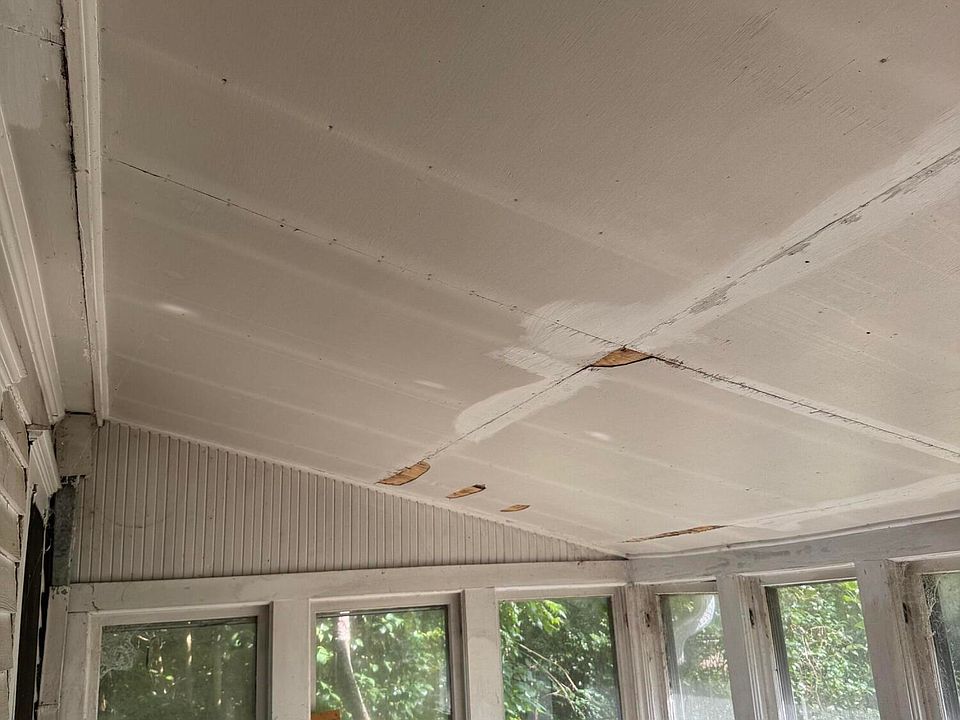
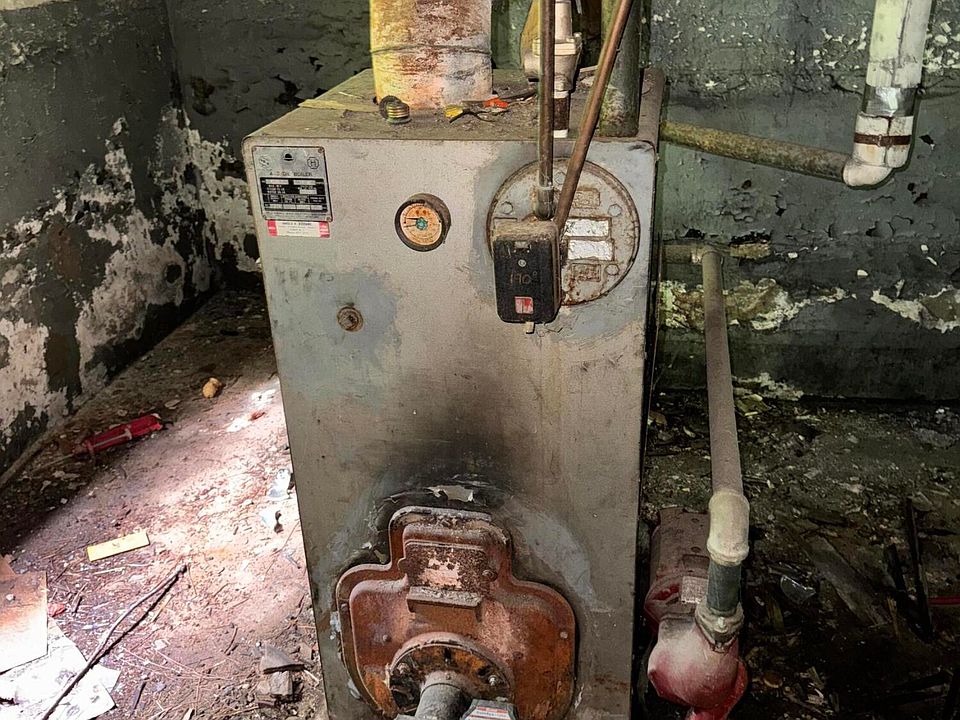
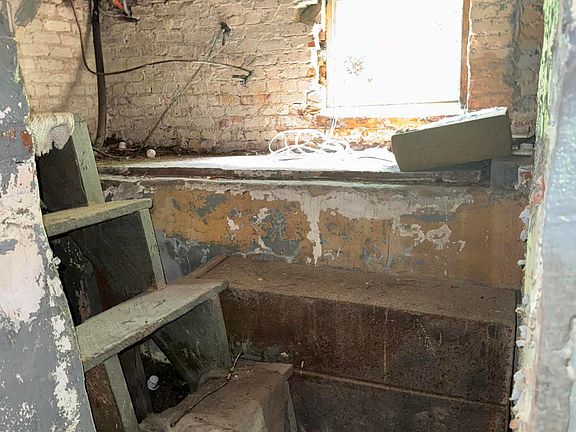
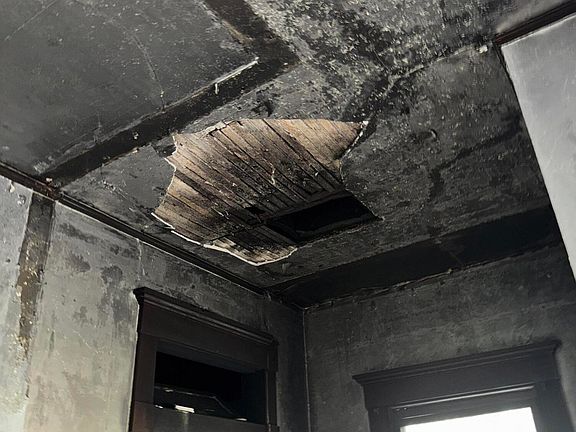
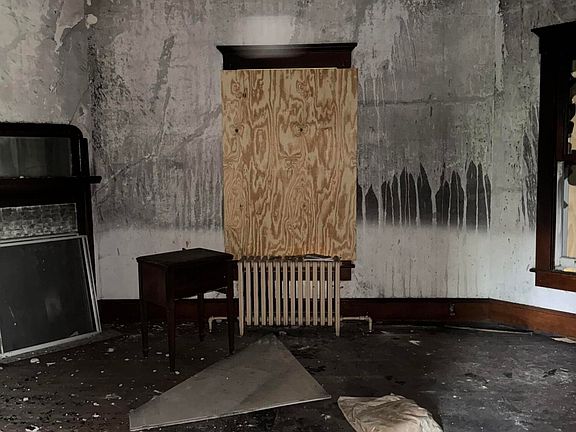
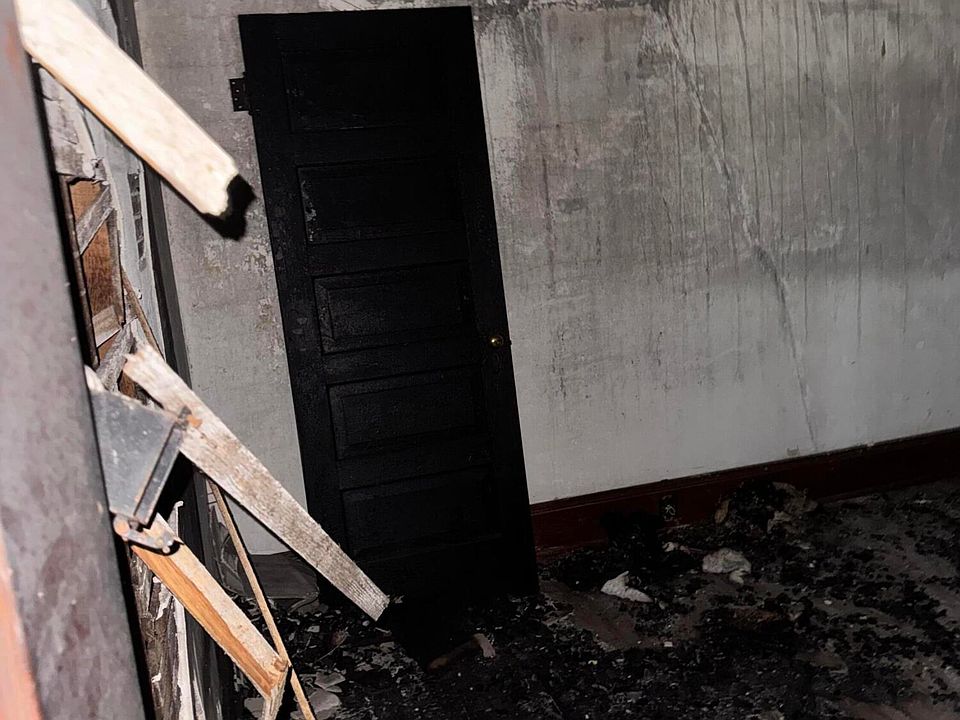
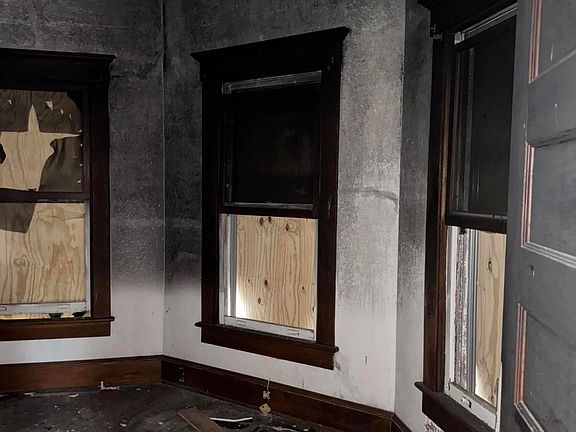
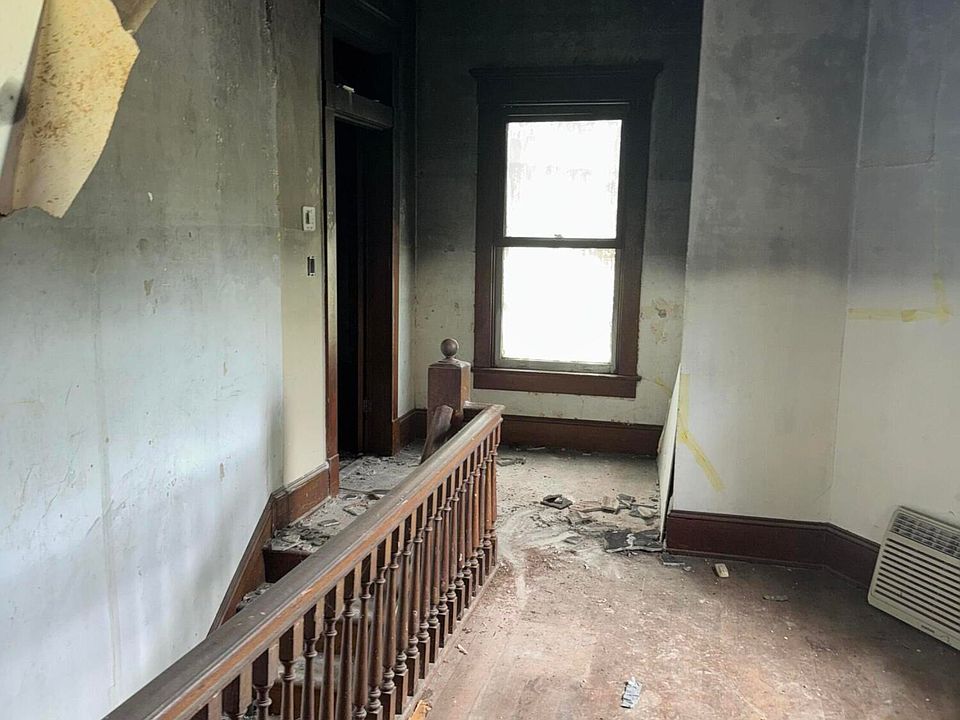
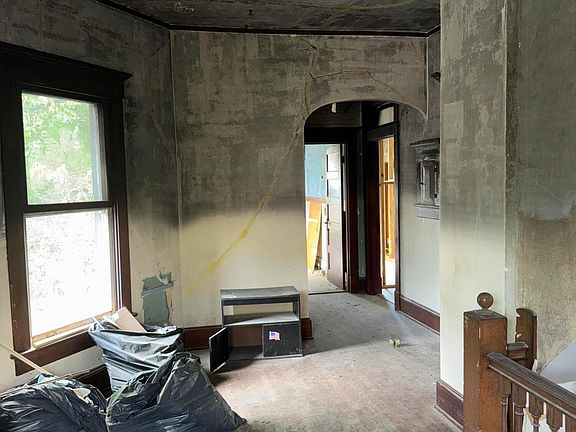
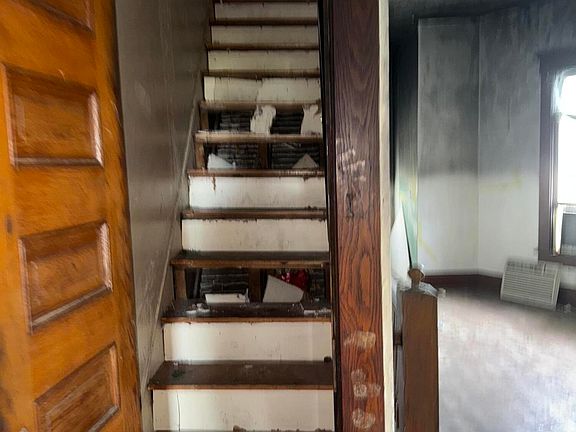
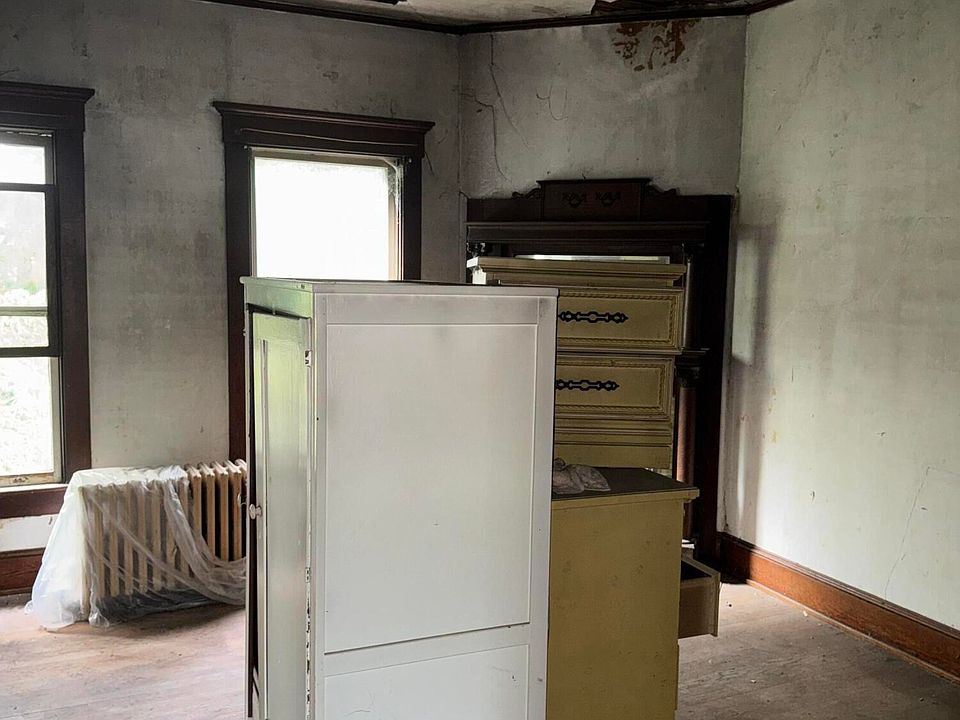
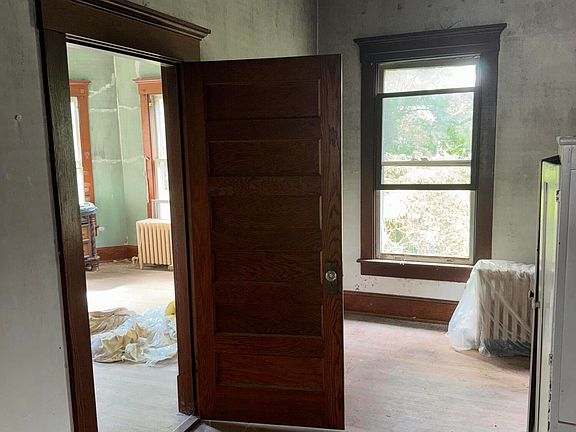
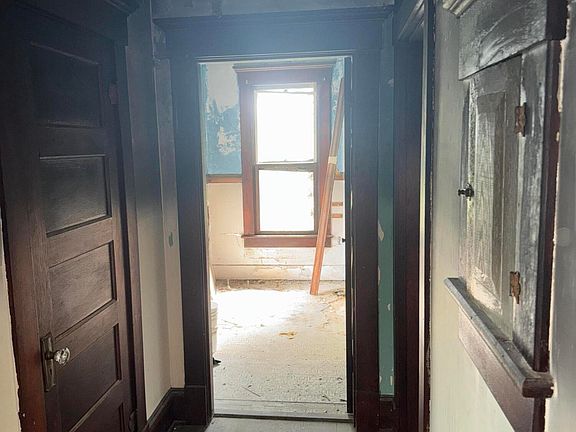
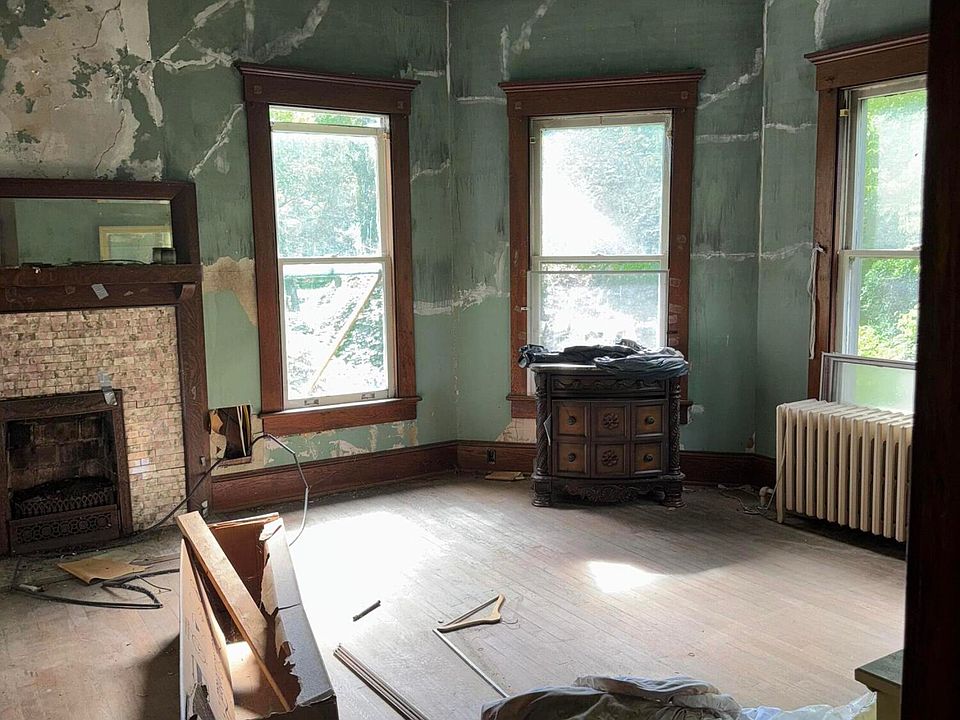
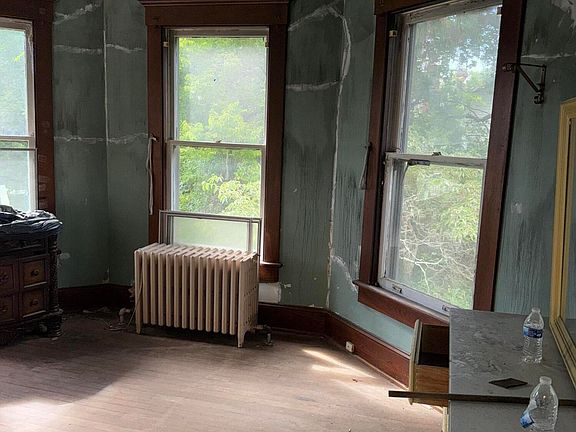
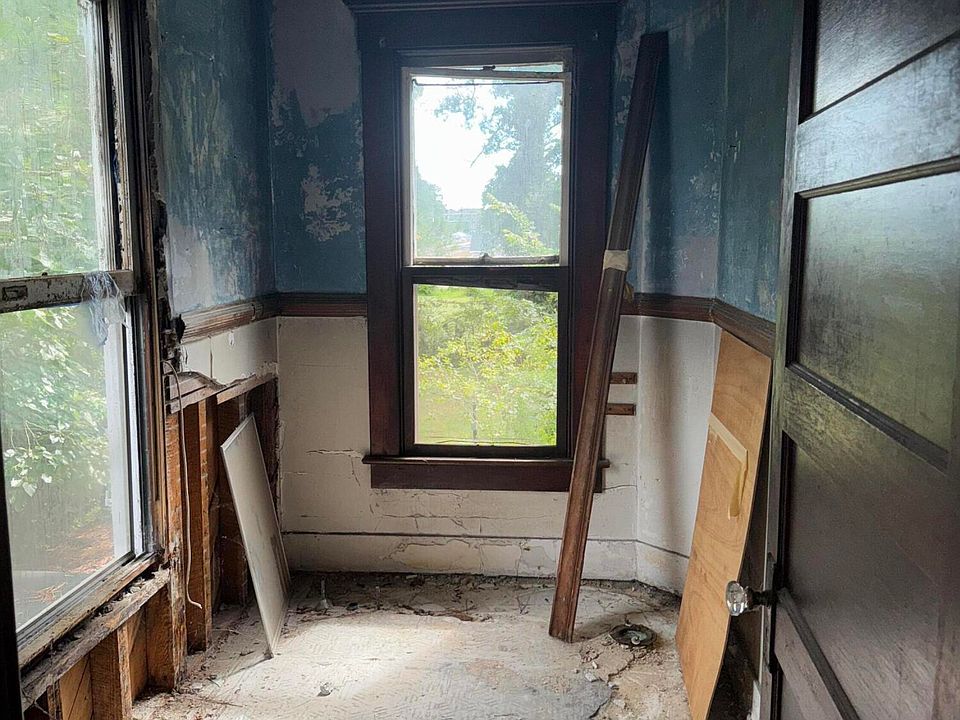
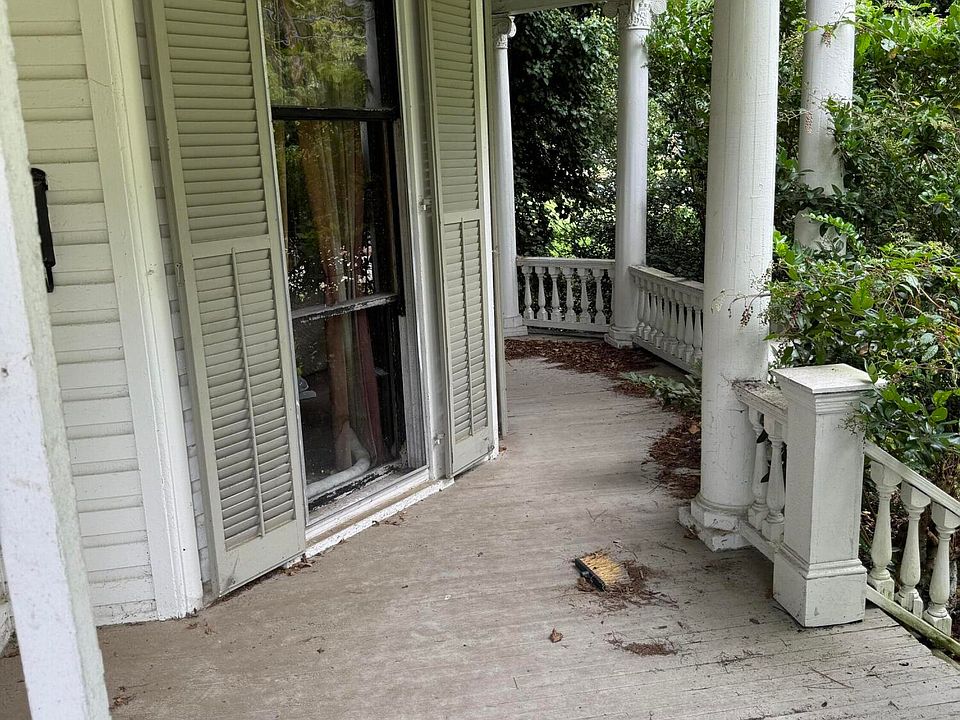
Of course, this is not a turnkey home, and that reality is clearly reflected in both the pricing and the terms of the sale. The property still needs substantial repairs and is being sold as-is, cash or hard money only. In real estate terms, this signals a project best suited for buyers who understand renovation timelines, construction costs, and risk management. For experienced investors, however, as-is properties often represent the greatest upside because they allow value to be created rather than simply purchased.
The five-bedroom configuration opens multiple strategic possibilities. A renovated version of this home could appeal to large families seeking space at a more affordable price point, particularly in markets where new construction at this size would be prohibitively expensive. Alternatively, the layout could support shared housing, extended family living, or even room-by-room rental scenarios, depending on local regulations and demand. Flexibility is a key advantage in real estate, and this property offers it in spades.
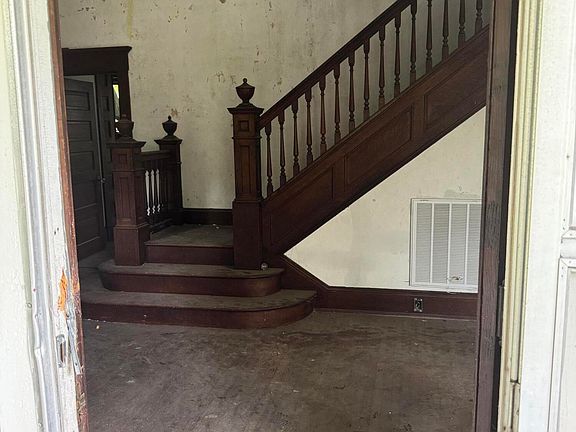
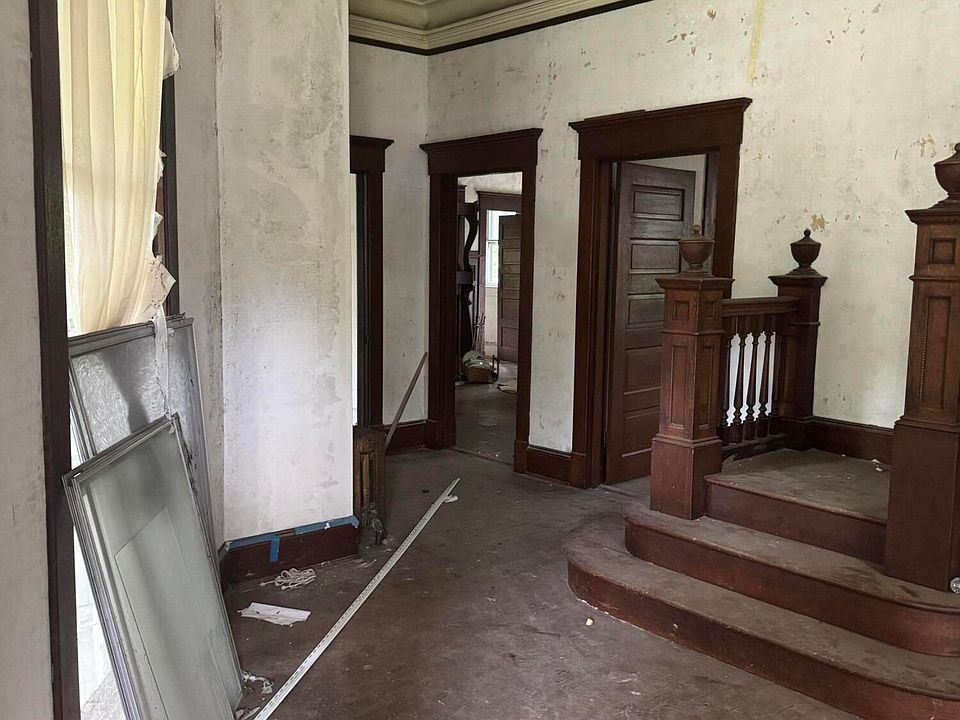
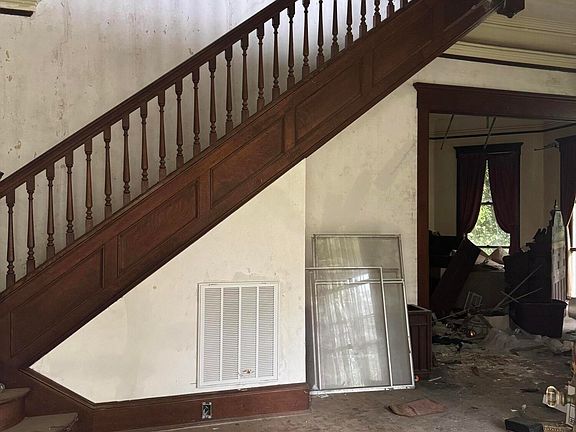
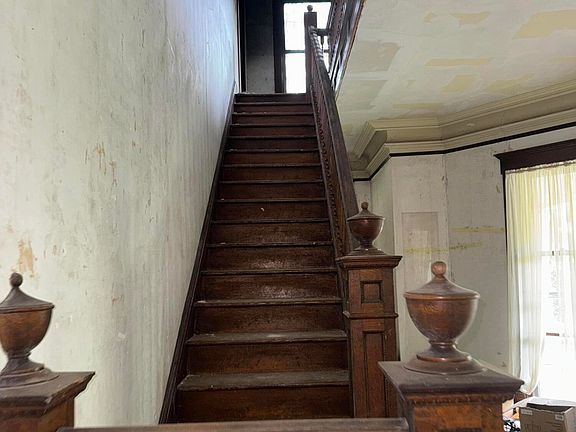
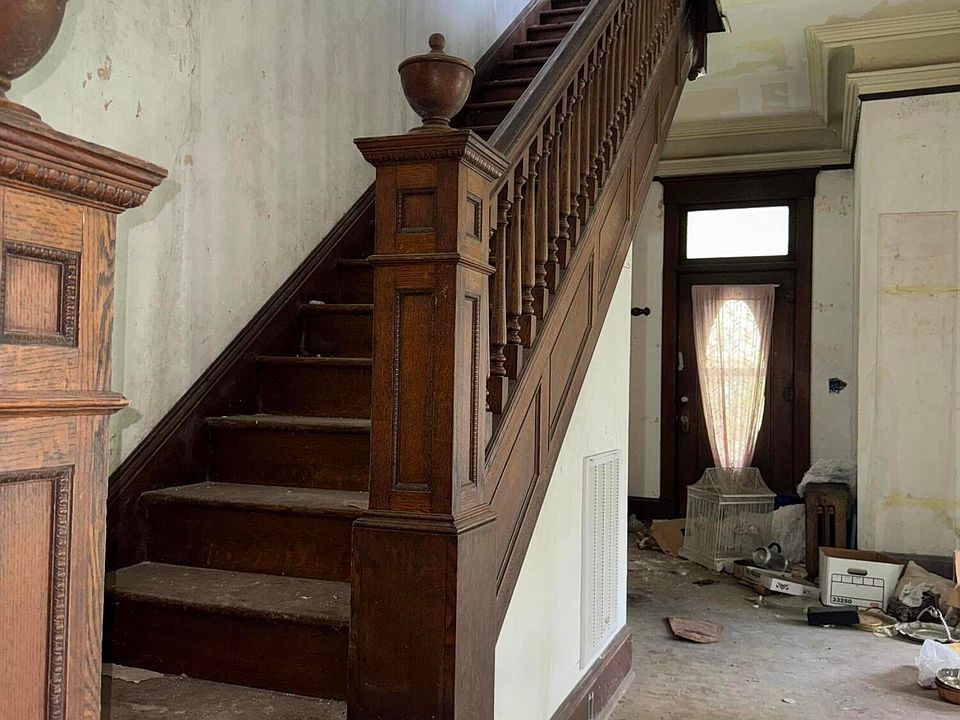
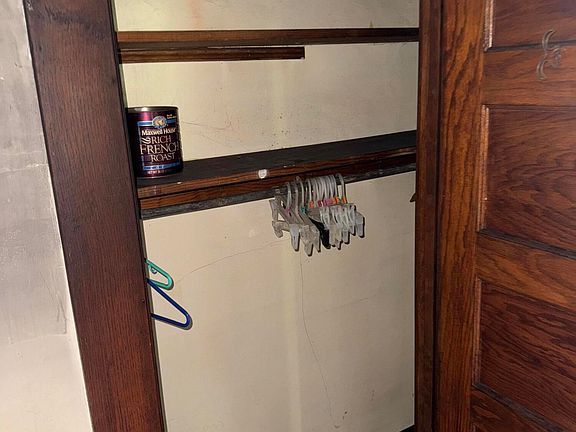
From a design perspective, homes built in 1910 often feature architectural details that cannot be easily replicated today. High ceilings, solid framing, generous room sizes, and original materials frequently provide a sense of substance that modern builds sometimes lack. While this particular home needs extensive work, the era itself suggests that there may be salvageable elements worth preserving or restoring, such as original trim, staircases, or floor plans that can be enhanced rather than erased. For buyers who understand how to blend historic character with modern finishes, this creates an opportunity to deliver a product that stands out in the market.
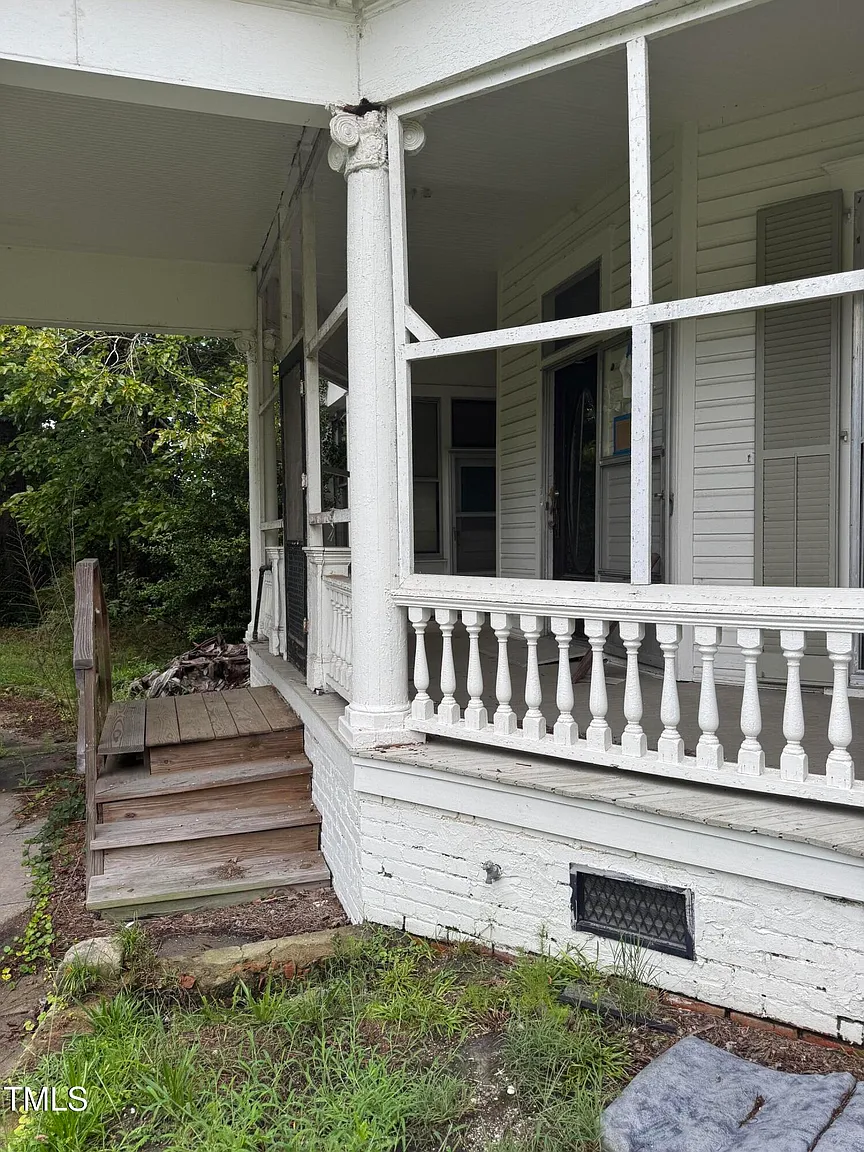
The pricing places this property firmly in fixer-upper territory, making it accessible to investors who specialize in distressed or partially renovated homes. In the broader real estate landscape, entry points at this level are becoming increasingly scarce, particularly for properties with this amount of square footage. Rising material costs and labor expenses have pushed many renovation projects out of reach, but starting with a low acquisition price can help offset those challenges and preserve margins.
Location also plays an important role in evaluating any house for sale, even when the focus is renovation. Smaller communities often present unique opportunities for investors willing to look beyond major metro areas. Acquisition costs tend to be lower, competition can be less intense, and demand for updated housing remains steady among local buyers and renters. In such markets, renovated historic homes frequently become standouts, offering charm and space that newer housing stock may not provide.
For a realtor working with an investor client, this type of listing represents a clear value-add scenario. The conversation is less about immediate livability and more about vision, budgeting, and return on investment. Buyers who thrive in this space understand that the visible work still required is not a drawback but rather the source of potential profit. Each unfinished room becomes a blank canvas rather than a liability.
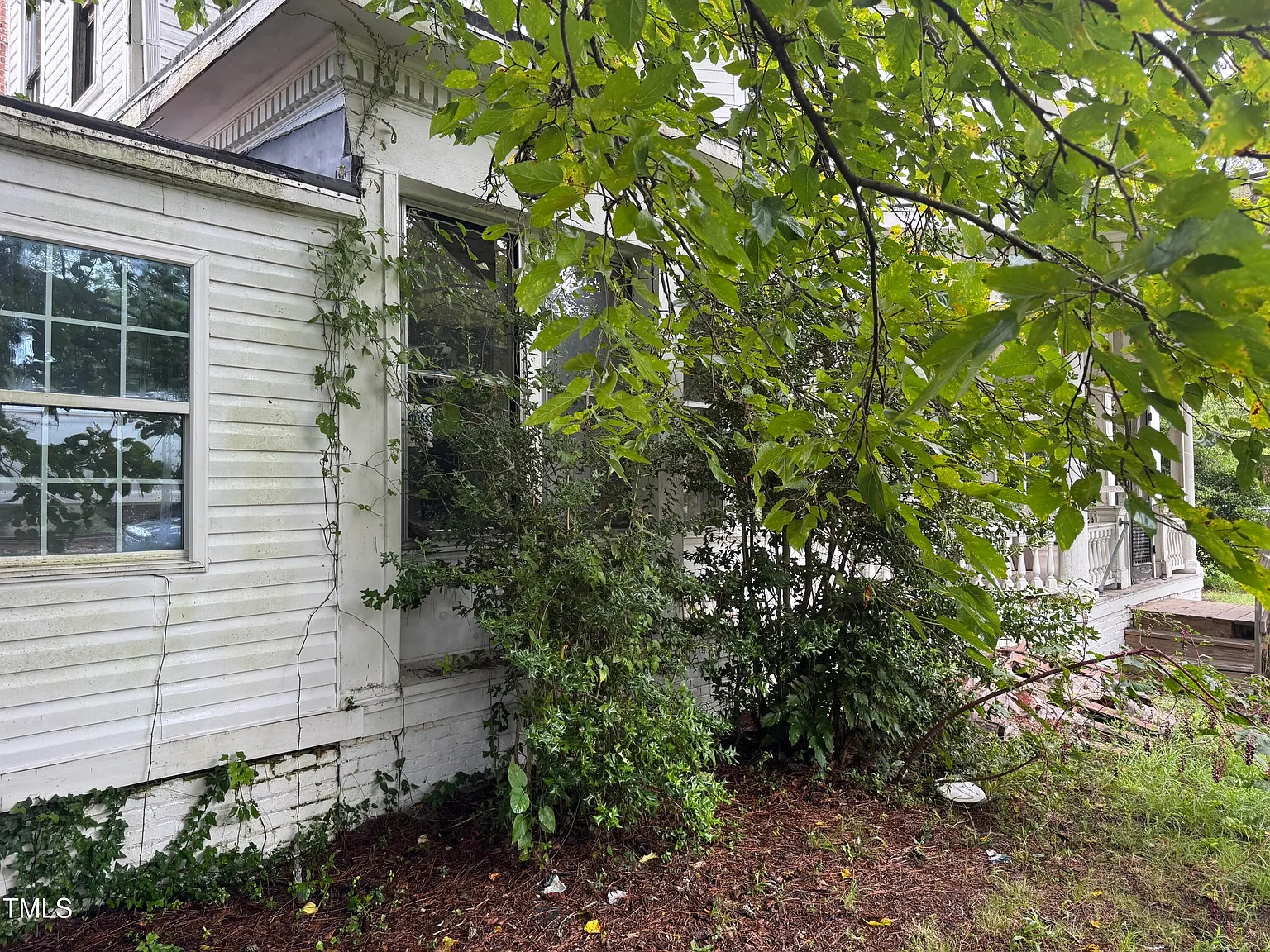
The as-is nature of the sale simplifies expectations on both sides. Sellers are transparent about the condition, and buyers know that due diligence, inspections, and careful planning are essential. In many real estate transactions, uncertainty creates hesitation, but here the terms are straightforward. This clarity can actually accelerate the sale process when matched with the right buyer profile.
Beyond resale potential, long-term rental strategies may also be viable. A fully renovated five-bedroom home can generate strong rental income, particularly in markets where large rental homes are in limited supply. Investors focused on buy-and-hold strategies often seek properties that, once stabilized, can deliver consistent cash flow. Starting with a low purchase price allows for greater flexibility in achieving acceptable rent-to-value ratios.
There is also the possibility of repositioning the property through layout changes or selective reconfiguration. Depending on structural feasibility, an investor could explore adding bathrooms, creating separate living areas, or optimizing the floor plan for modern living patterns. While such changes require careful planning and permitting, they can dramatically increase perceived value and marketability.
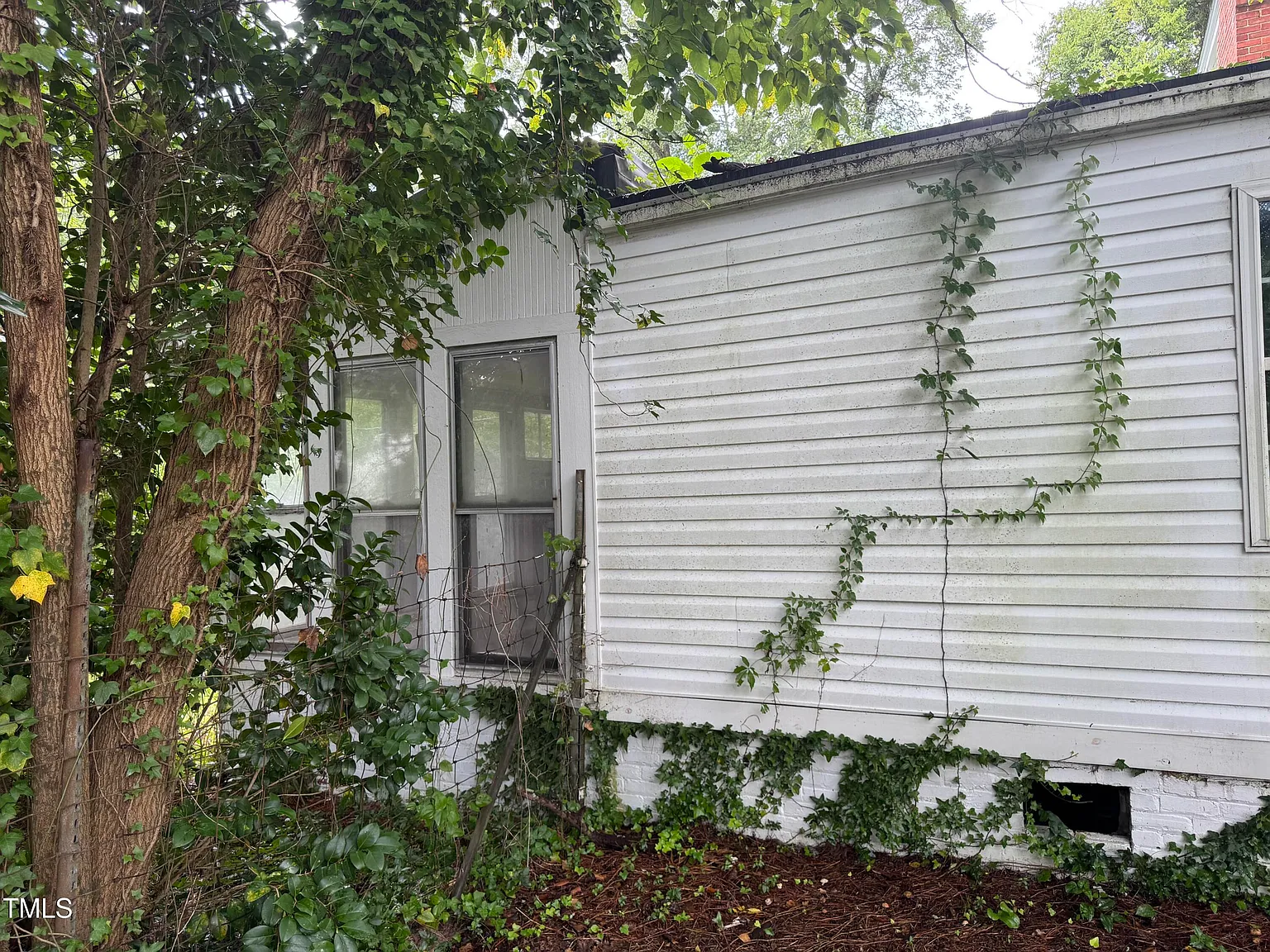
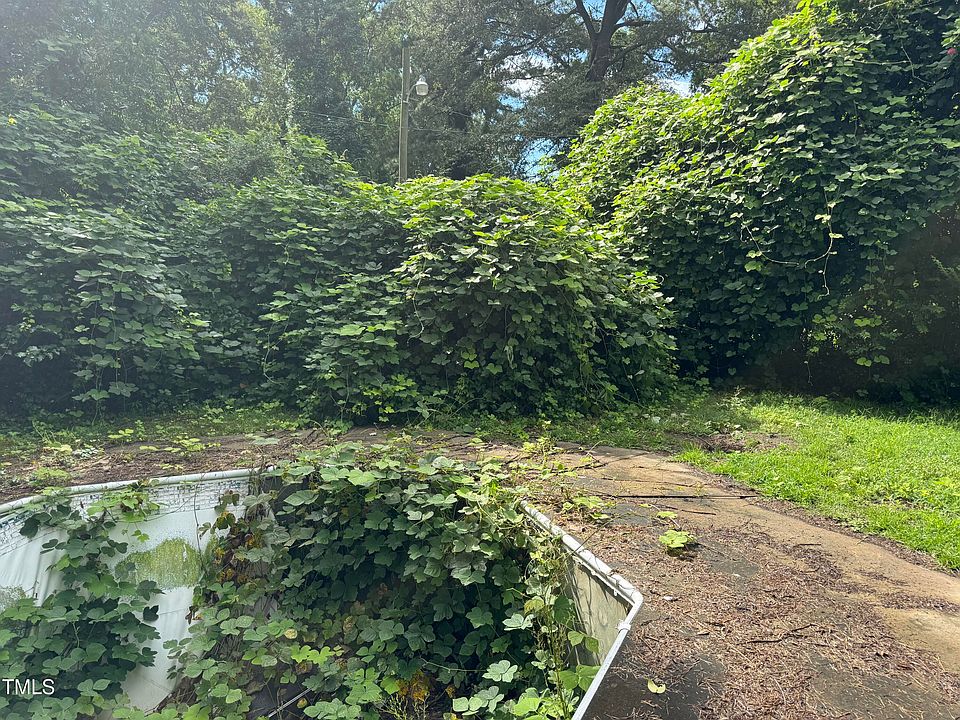
The half-acre lot adds another layer of optionality. Outdoor space can be enhanced with fencing, parking, gardens, or communal areas that appeal to both buyers and tenants. In many cases, improving the exterior experience yields a strong return because it boosts curb appeal and first impressions, two factors that heavily influence real estate decisions.
From a risk perspective, the key considerations will be scope control and budgeting. While major systems have been addressed, finishing a large home still requires careful management of materials, labor, and timelines. Experienced investors will recognize the importance of detailed planning before moving forward. However, the fact that foundational upgrades are already completed reduces the likelihood of major surprise expenses, which is often the biggest concern in older renovation projects.
Emotionally, there is also a certain satisfaction that comes with bringing a historic home back to life. Restoring a property that has stood for more than a century can feel meaningful, especially when the end result contributes positively to the surrounding neighborhood. In many communities, renovated historic homes help stabilize property values and encourage further investment, creating a ripple effect that benefits both owners and neighbors.
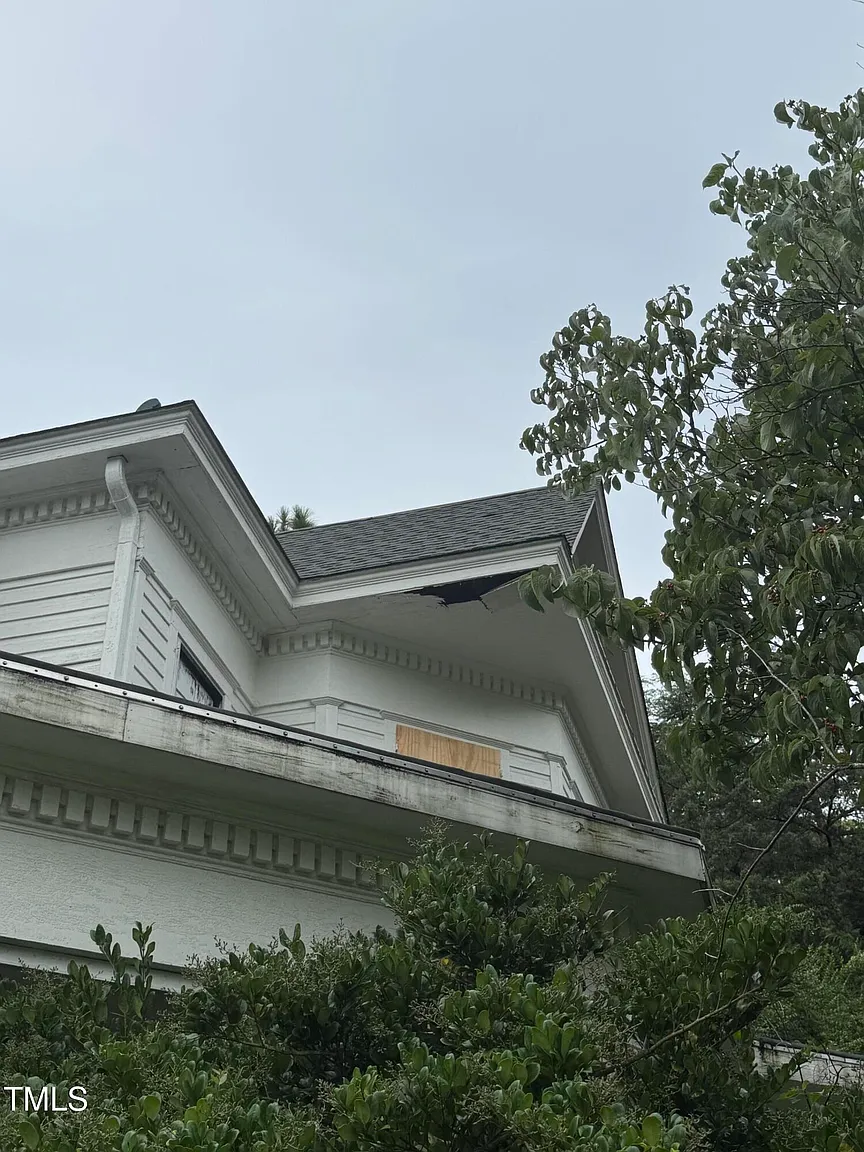
In the context of today’s real estate market, opportunities like this appeal to a specific but highly motivated audience. While move-in-ready homes attract the broadest buyer pool, properties like this one attract buyers who are decisive, knowledgeable, and focused on long-term outcomes. That focus can lead to faster, cleaner transactions when expectations are aligned.
Ultimately, this home represents unfinished potential rather than finished perfection. It is not for everyone, and that is precisely what makes it interesting. For the right buyer, this is a chance to step into a project where some of the hardest work has already begun, yet plenty of value remains to be created. Whether the goal is resale, rental income, or long-term ownership, the combination of size, age, improvements, and price creates a rare entry point into a sizable piece of residential real estate.
In a market where many buyers feel priced out or boxed into limited options, projects like this remind us that opportunity still exists for those willing to see beyond surface condition. With vision, capital, and execution, this 1910 home can once again become a substantial and functional residence, proving that in real estate, value is often built, not found.
Photos:

Listed by:
Rosemary Podgradski 919-259-6302,
Buy Homes With Rose, LLC
