
75 W Division St, Fond Du Lac, WI 54935
$225,000 | 1880 | 4,951 Sq. Ft. | 6 Beds | 6 Baths | 0.56 Acres
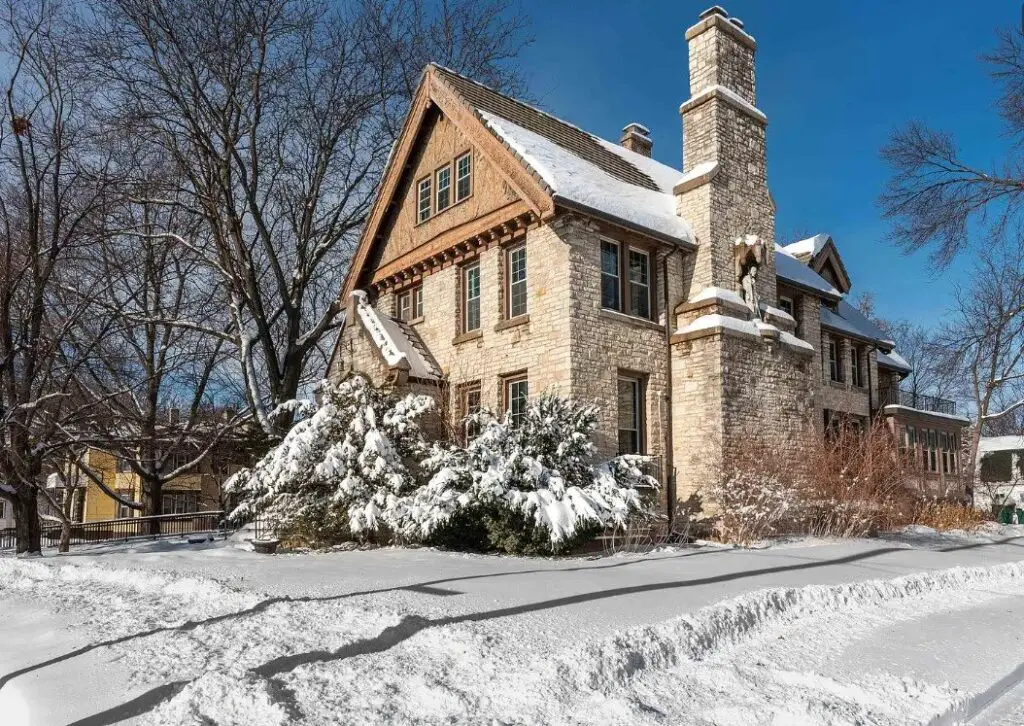
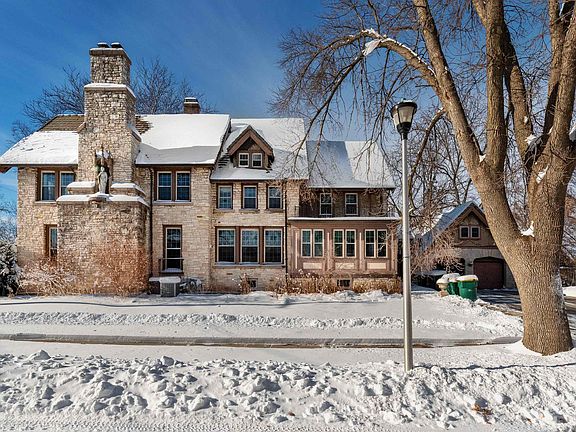
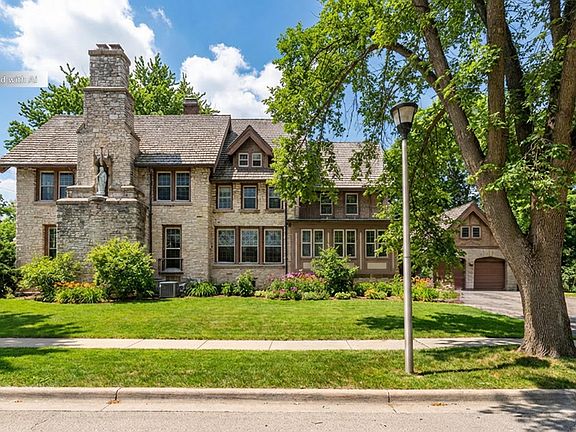
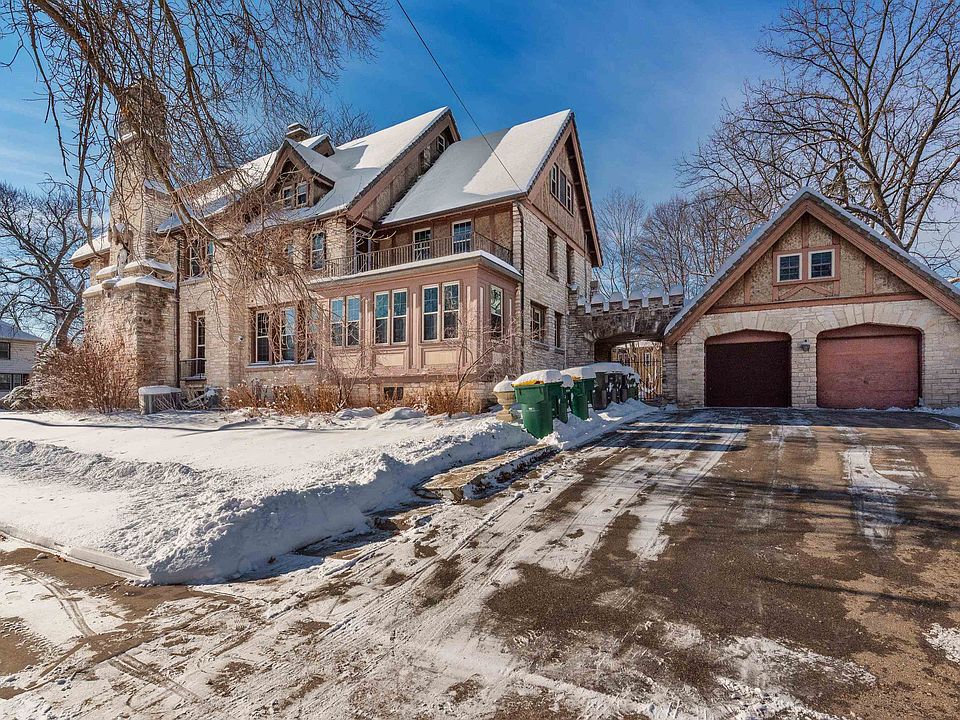
There are homes that simply provide shelter, and then there are homes that carry stories within their walls. Built around 1880, this remarkable limestone Queen Anne stands as a tangible piece of Fond du Lac history, originally constructed to serve as the rectory for St. Paul’s Cathedral. From the moment you encounter the property, there is an unmistakable sense that this is not an ordinary house for sale, but a residence shaped by time, purpose, and architectural ambition. Opportunities like this are increasingly rare in today’s real estate market, especially when a home of such scale, character, and flexibility becomes available at a compelling price point.
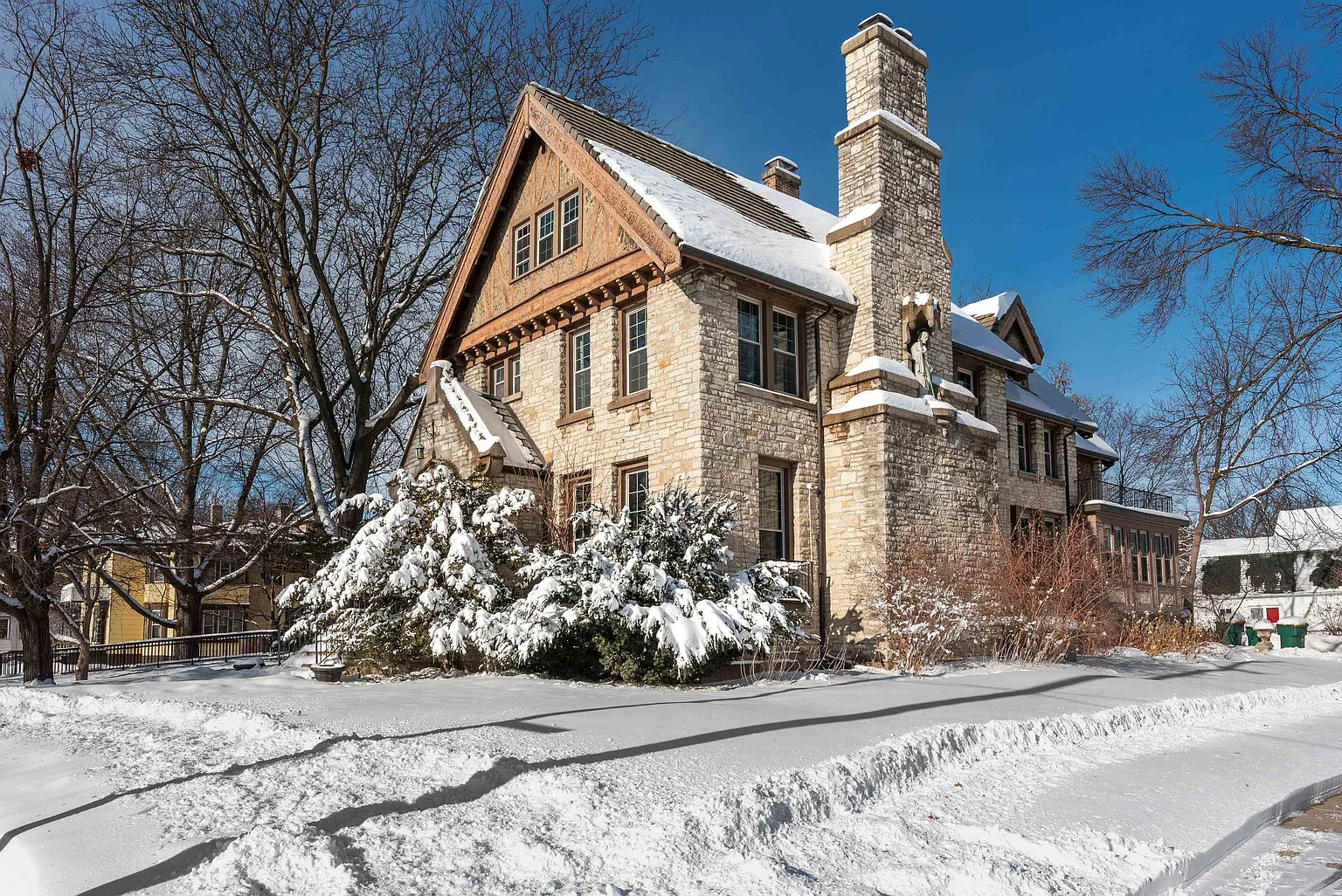
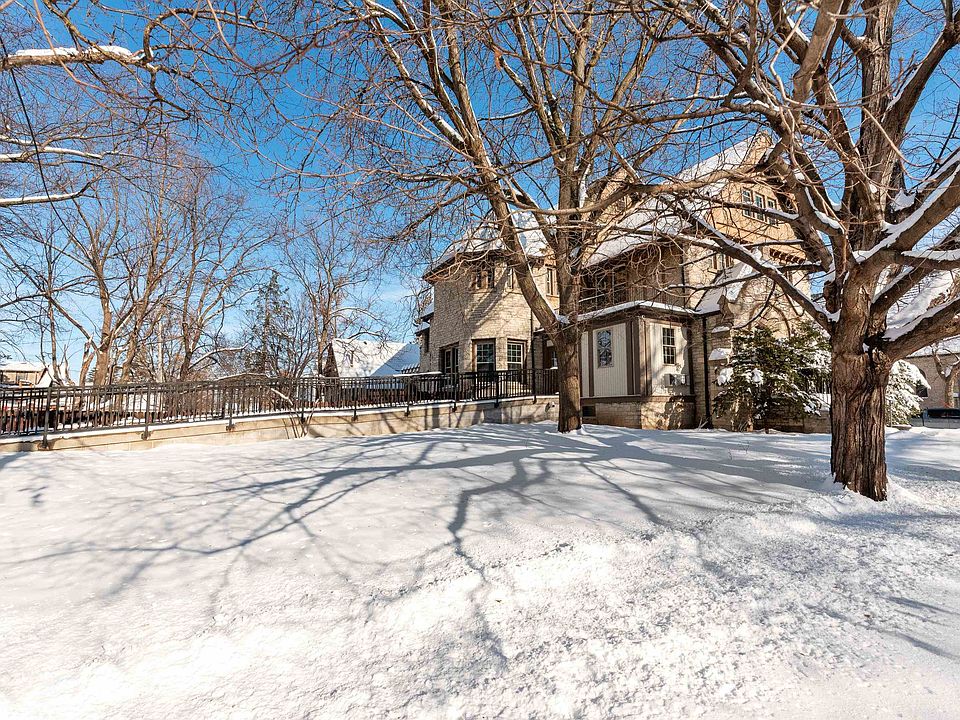
The exterior immediately establishes its presence. Crafted from limestone, the structure conveys solidity and permanence, qualities that were central to late 19th-century construction. The Queen Anne style is evident in the home’s proportions and detailing, offering a visual richness that contrasts sharply with more modern, streamlined builds. Sitting on more than half an acre, the property enjoys a sense of space that is uncommon for homes located within city limits. Mature surroundings and the generous lot size create breathing room around the house, allowing its architecture to be appreciated from multiple angles.
What truly distinguishes this property within the real estate landscape is not only its history, but its adaptability. Zoned by the city of Fond du Lac for single-family, duplex, or triplex use, the home presents a wide range of possibilities. Whether envisioned as a grand single-family residence, a thoughtfully restored multi-unit dwelling, or a creative combination of living and working spaces, the zoning adds a layer of long-term value that many historic homes simply do not offer. For buyers considering both lifestyle and investment potential, this flexibility is a significant advantage.
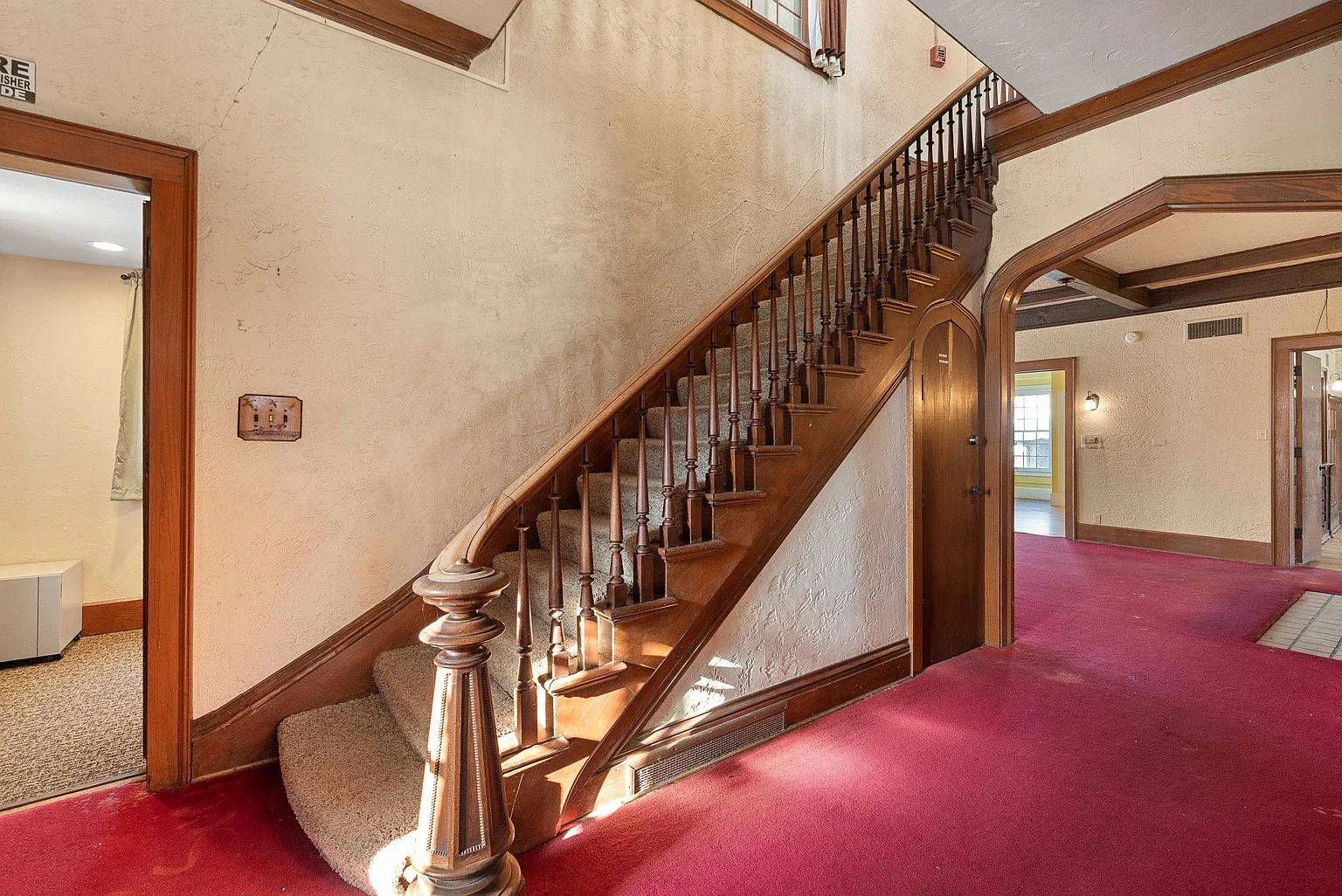
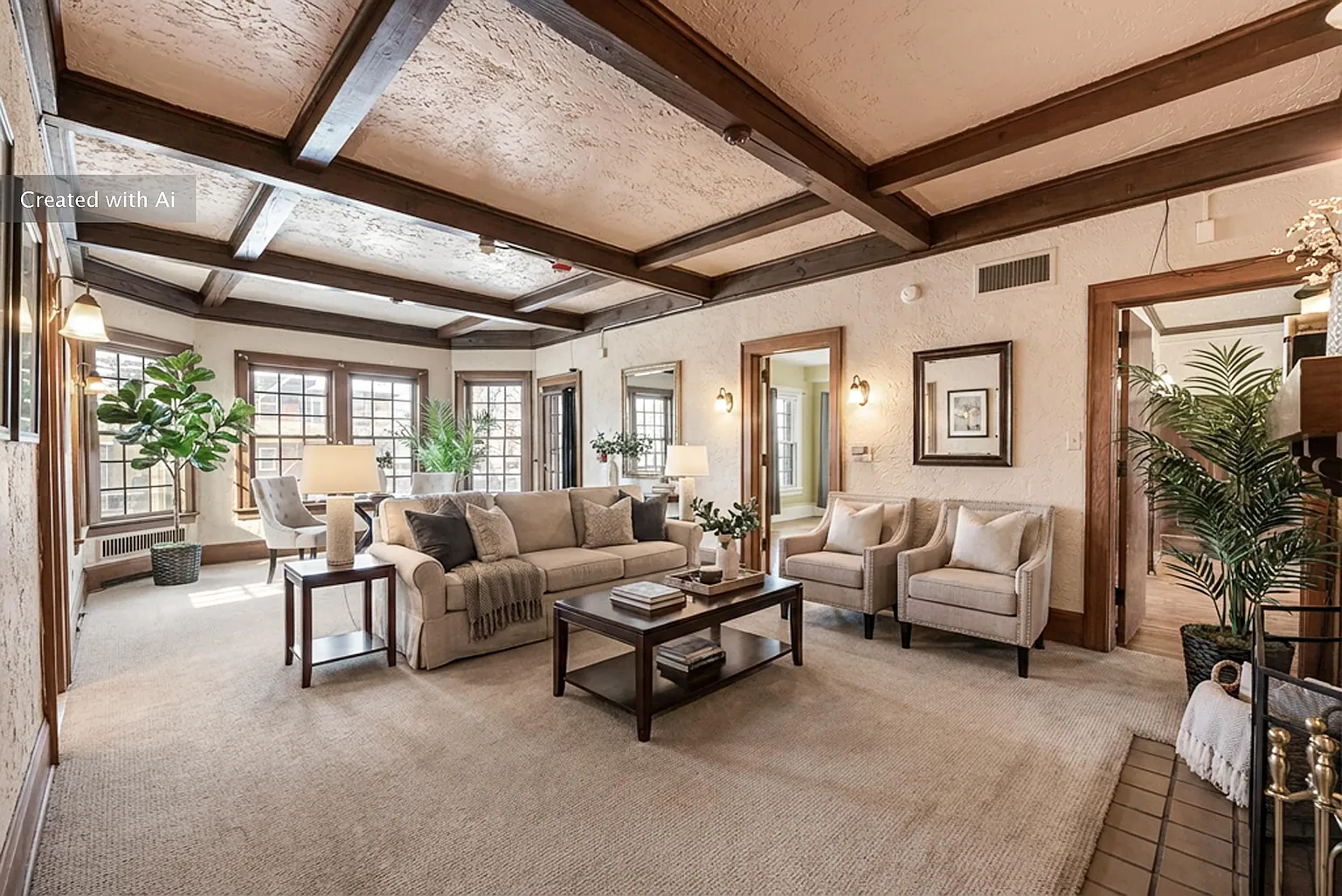
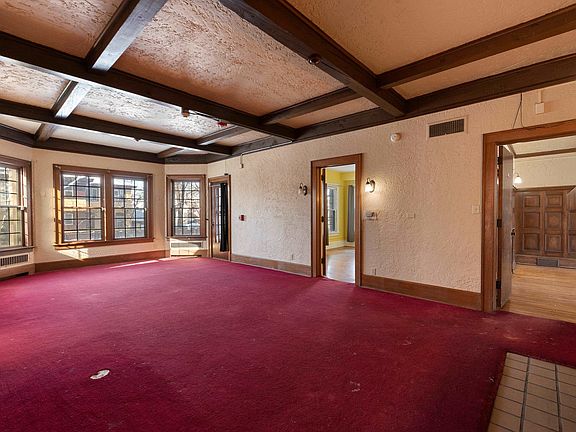
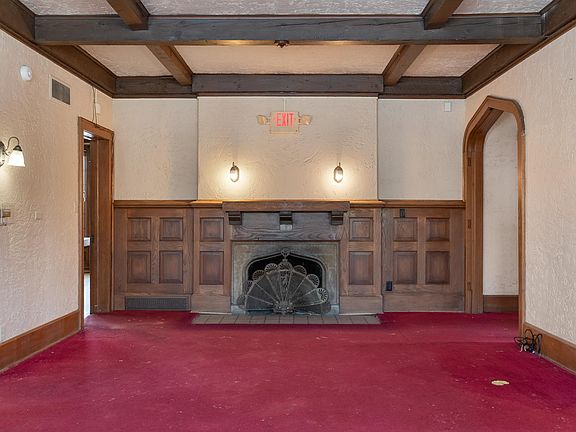
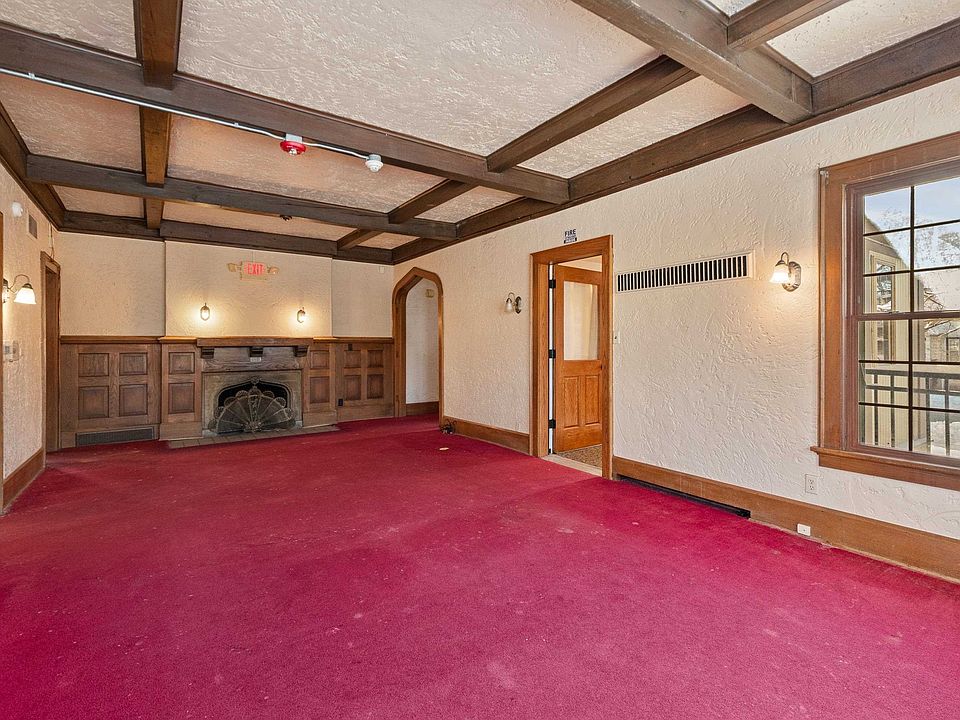
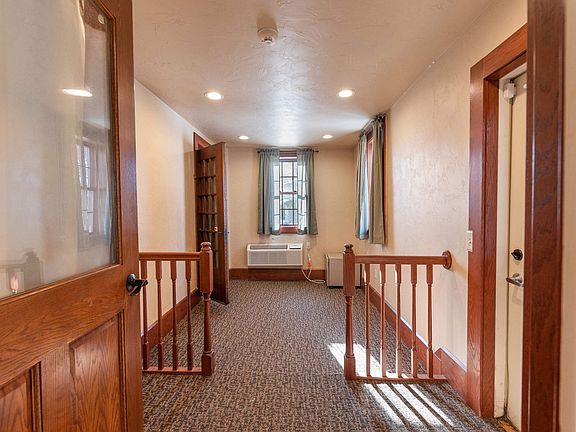
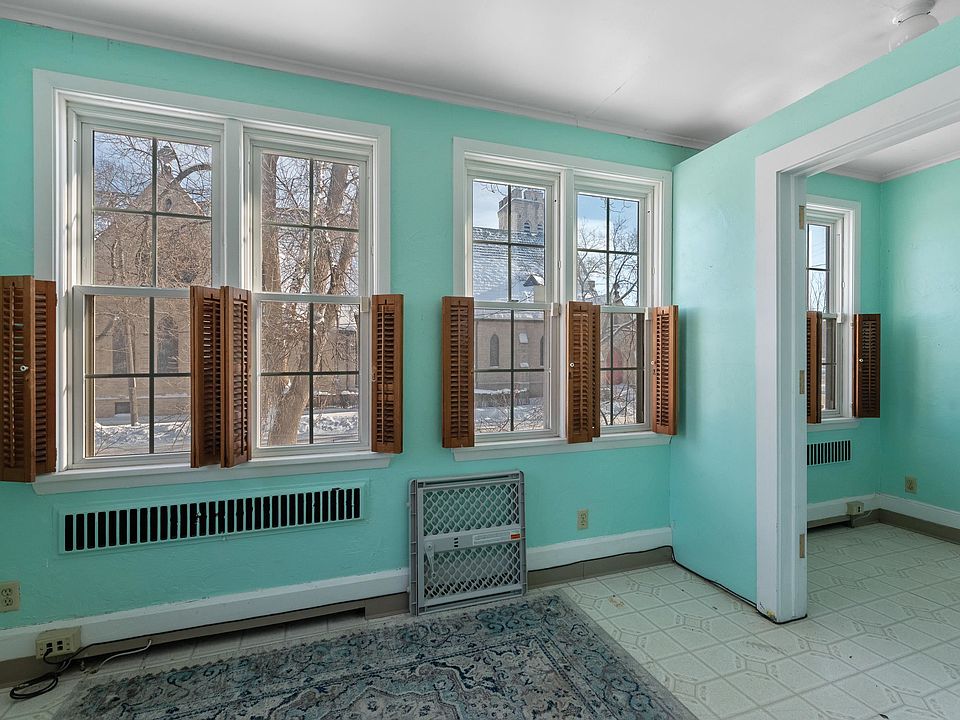
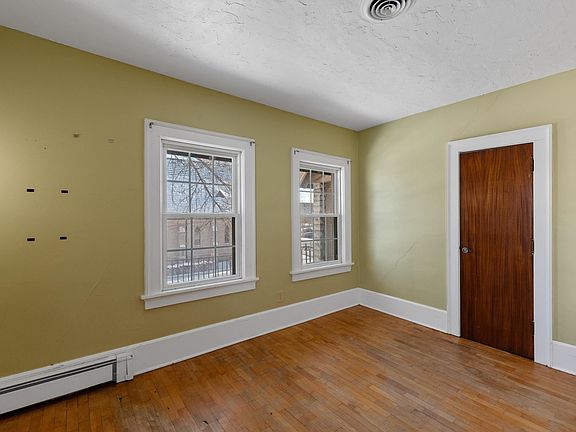
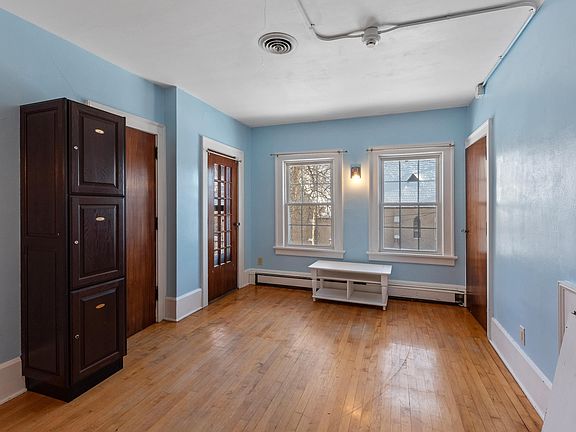
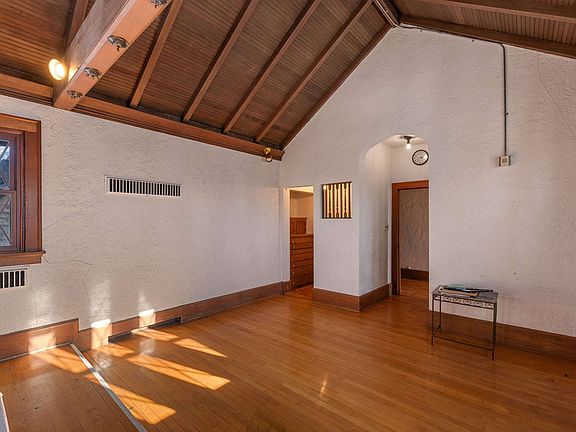
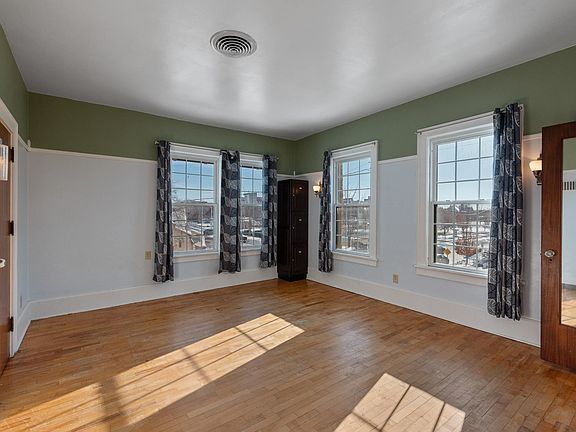
Stepping inside, the sense of scale becomes immediately apparent. With nearly 5,000 square feet of interior space, the home offers room to explore, restore, and reimagine. Tall ceilings draw the eye upward, creating an airy atmosphere that enhances the natural light filtering through the newer windows installed throughout the property. These updates provide improved efficiency while respecting the home’s historic framework, a balance that is often difficult to achieve in properties of this age.
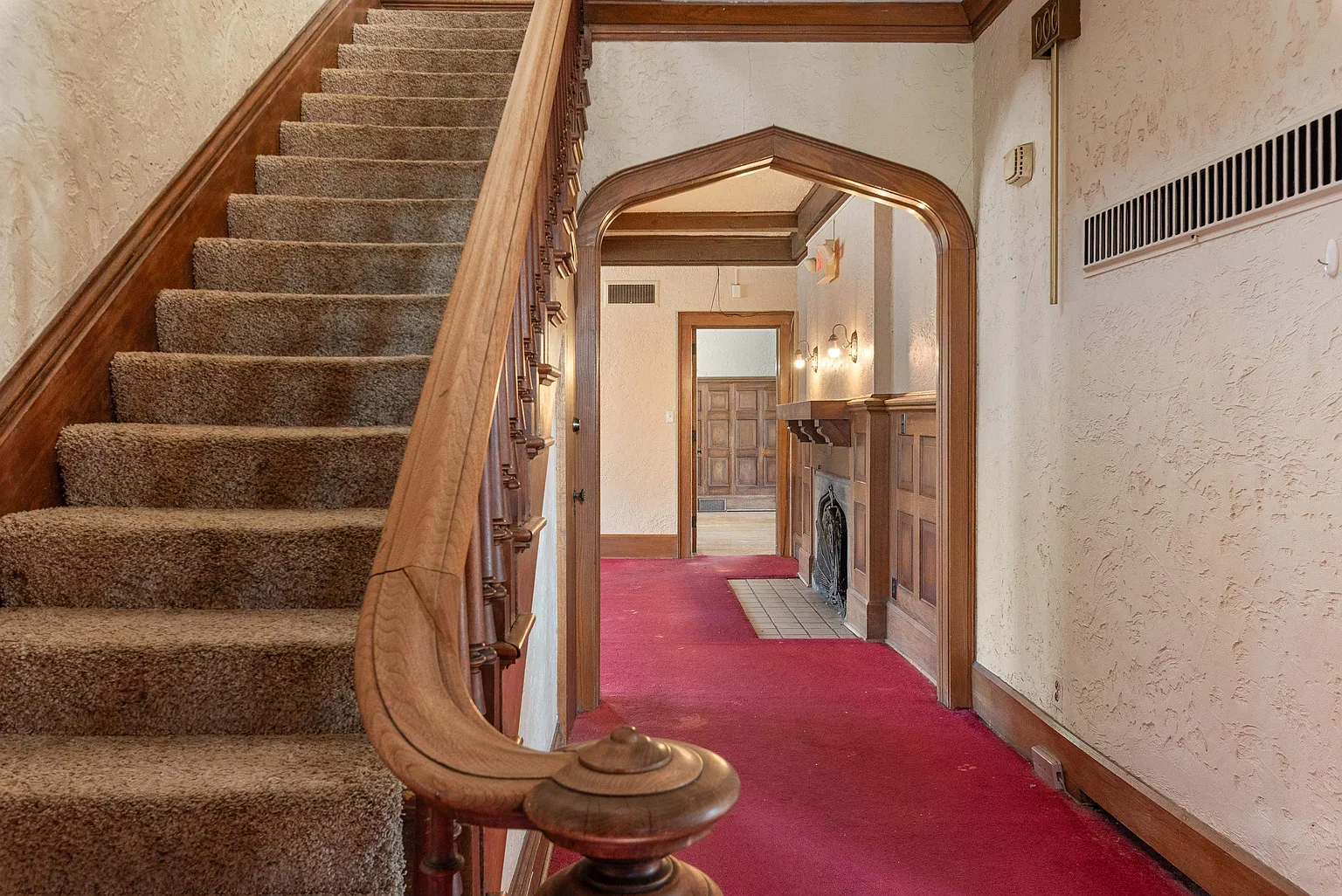
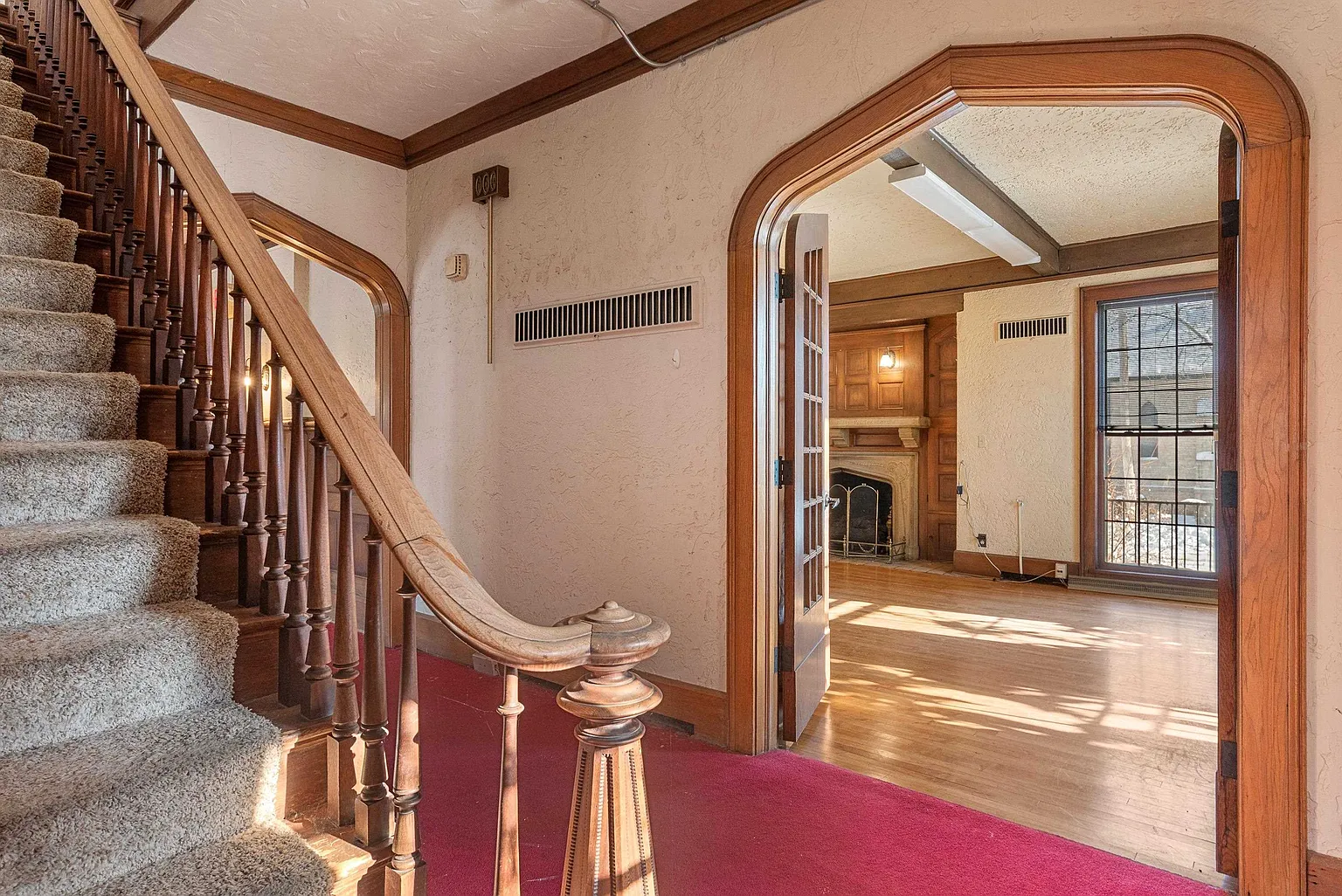
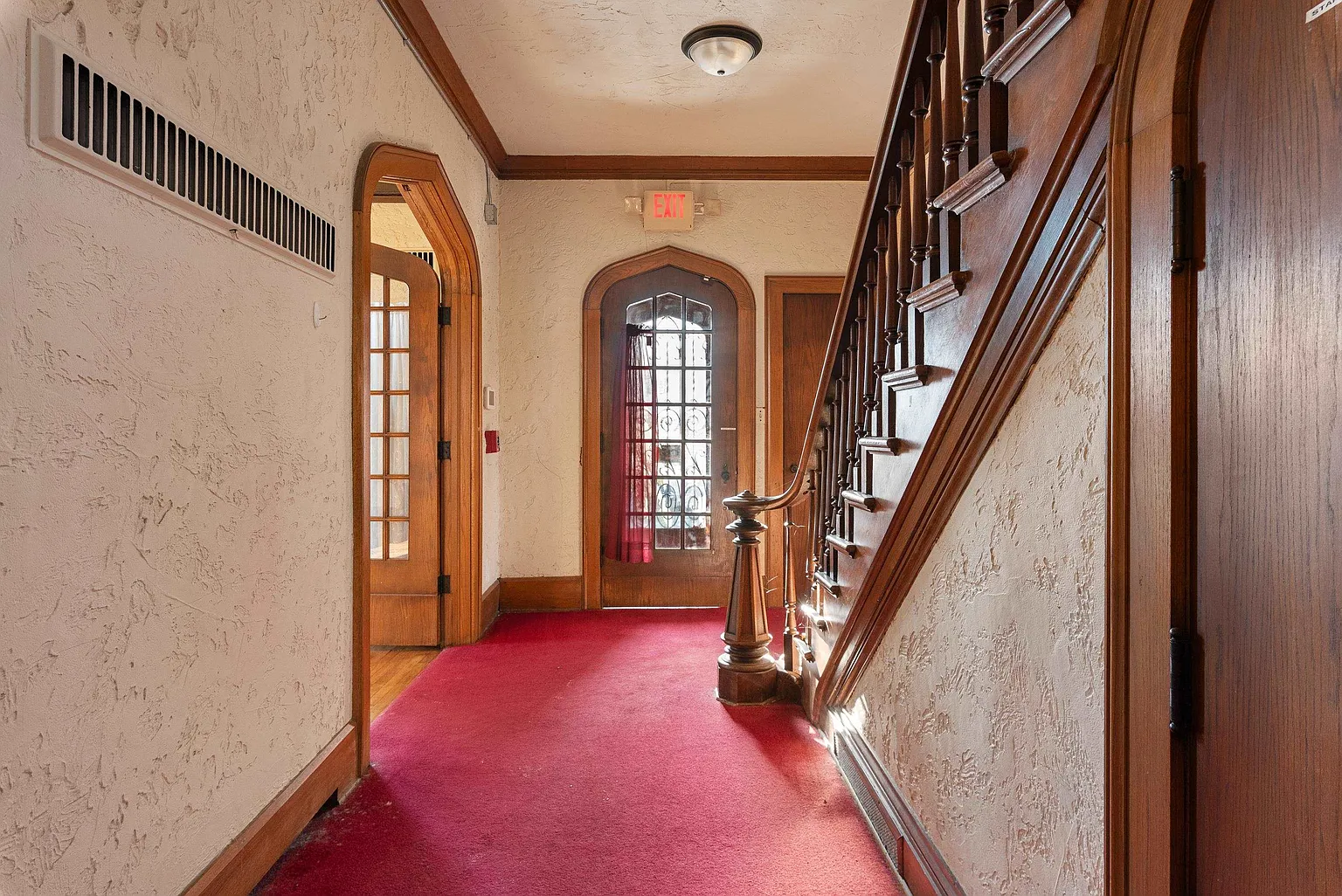
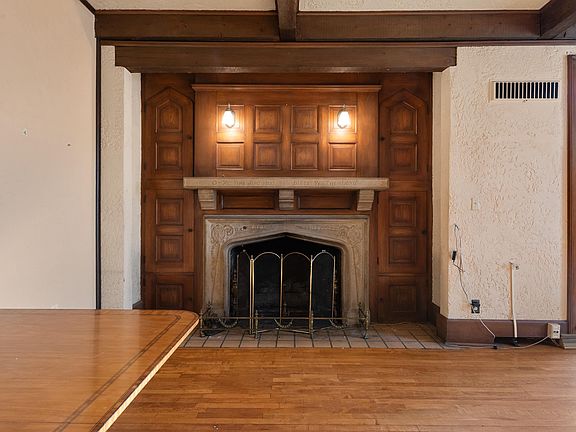
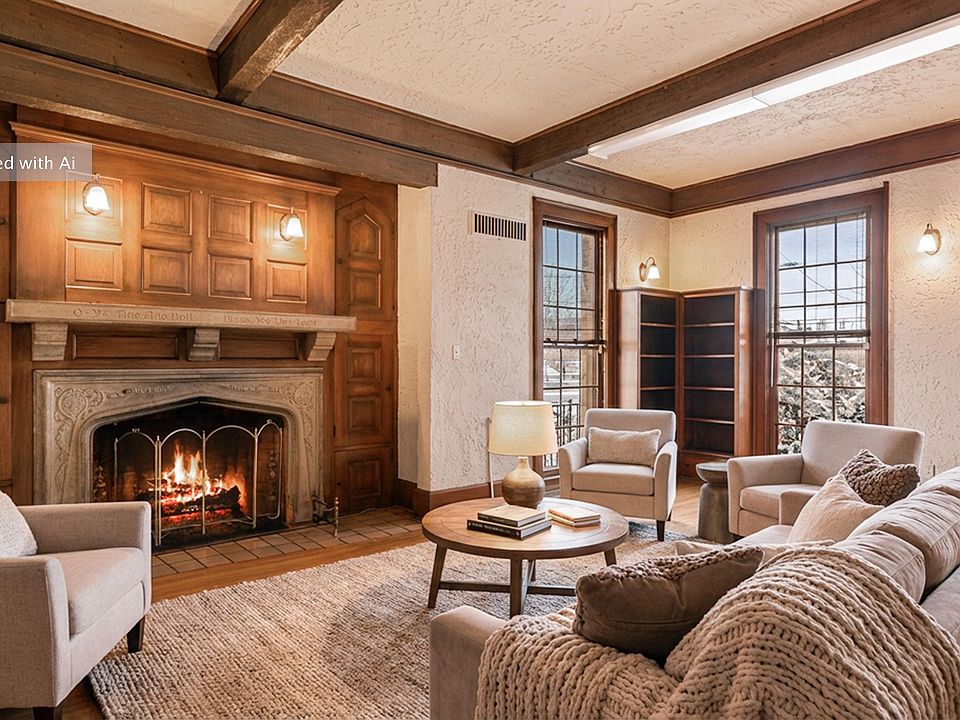
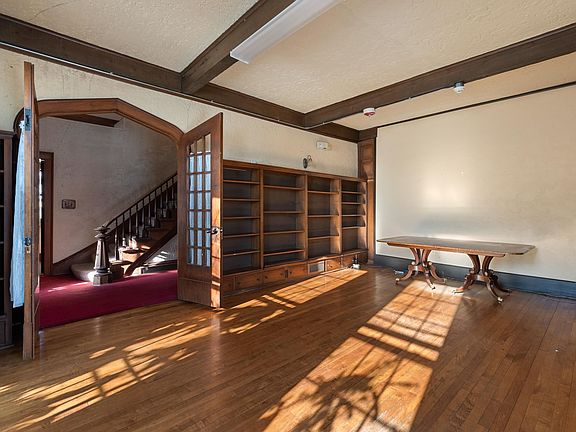
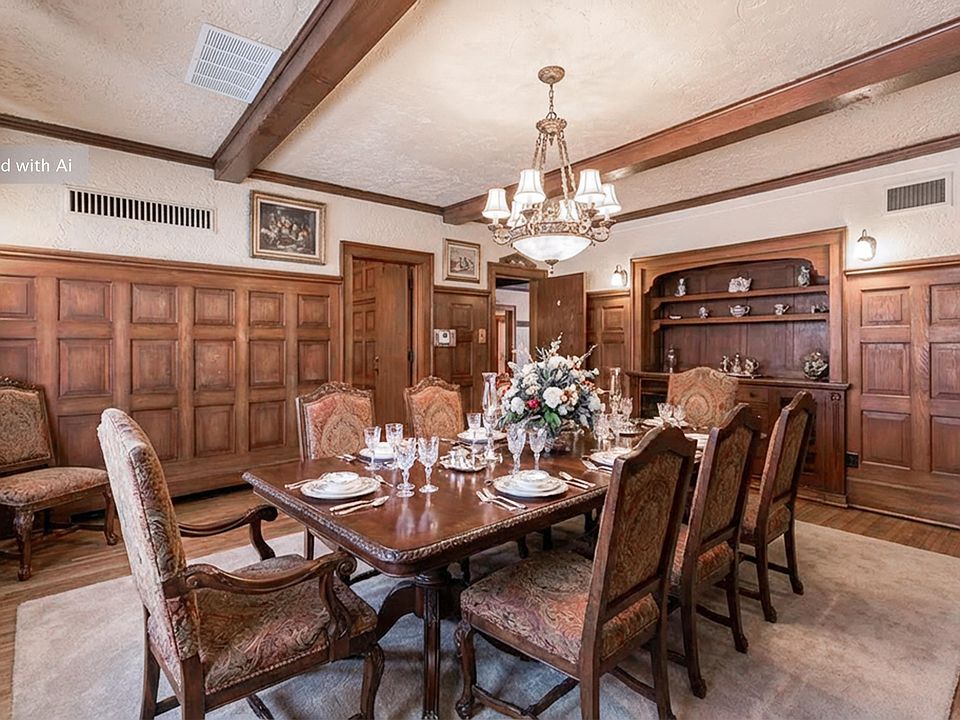
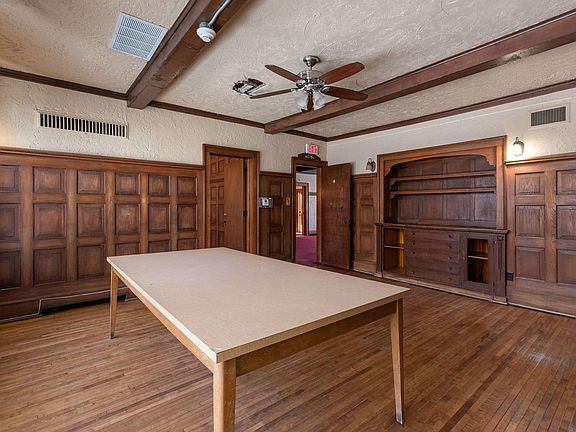
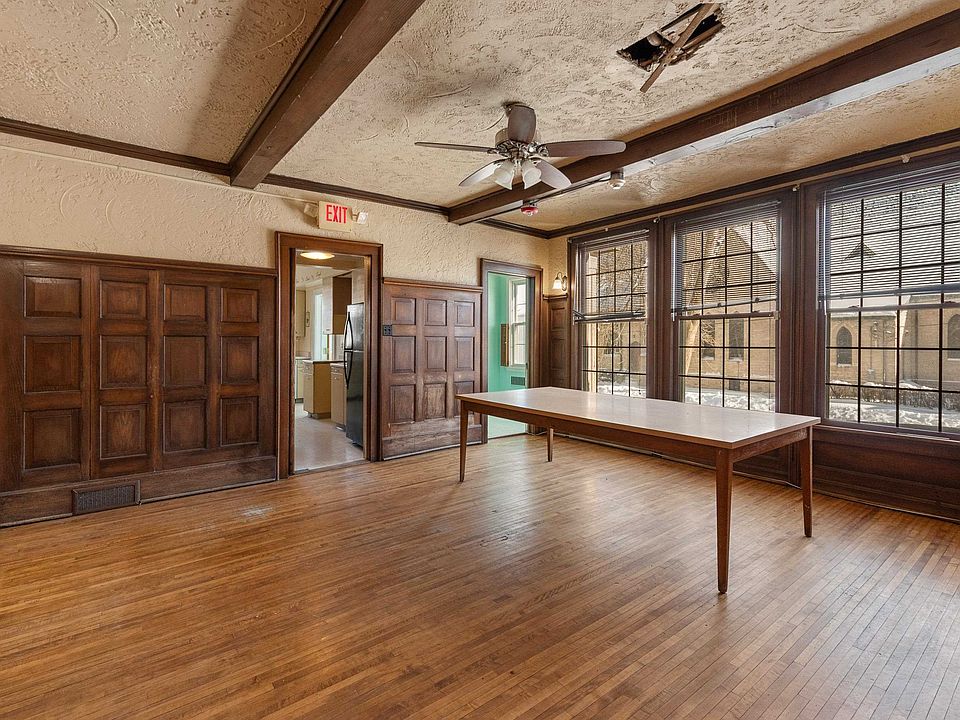
One of the most striking interior features is the dramatic oak staircase. Anchoring the main level, it serves as both a functional element and a visual centerpiece. The craftsmanship is evident in its proportions and detailing, reflecting the care and skill of the artisans who built the home more than a century ago. Surrounding the staircase, extensive wood paneling and period millwork continue the narrative of quality and durability, reminding visitors that this house was designed to endure.
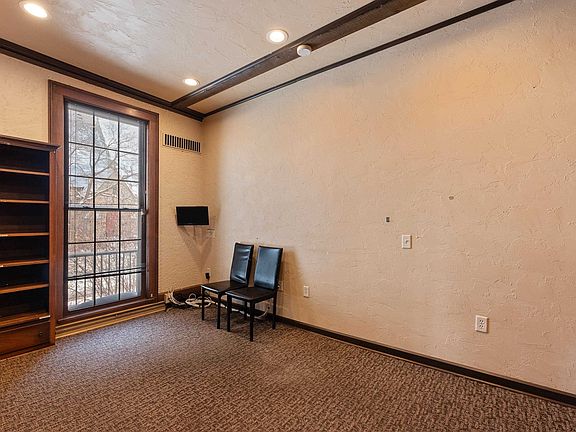
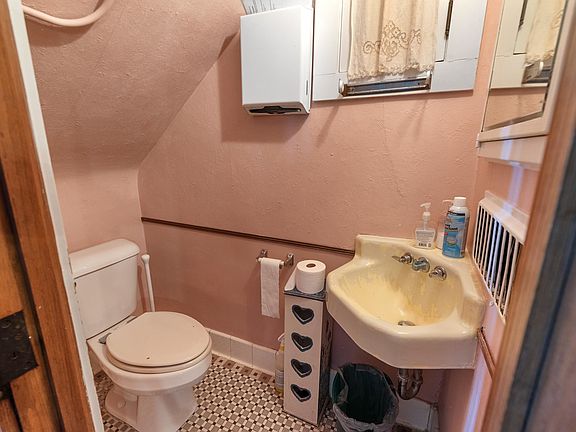
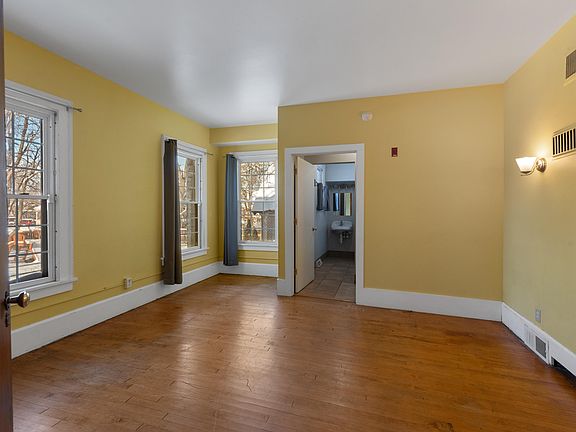
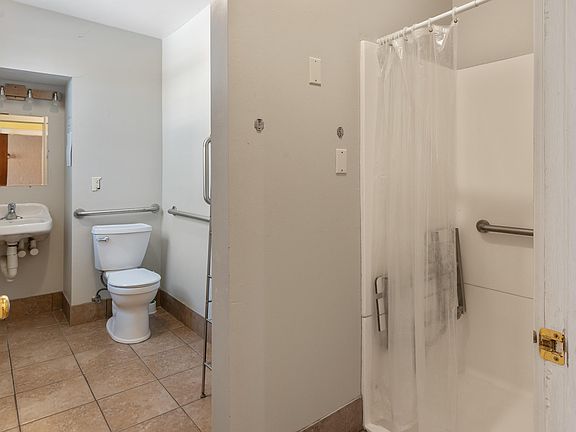
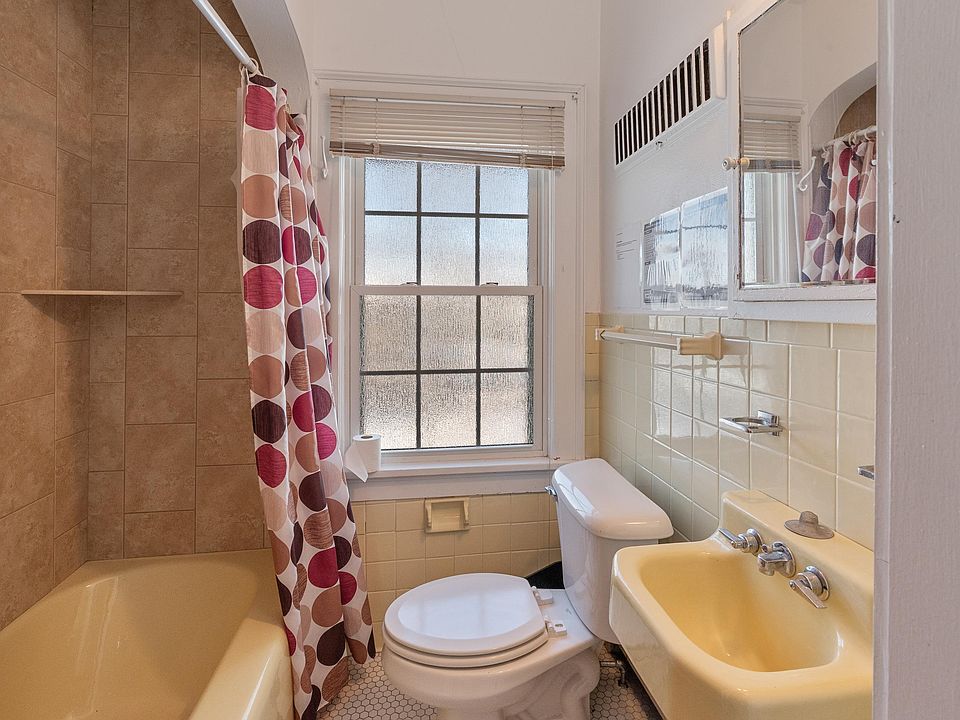
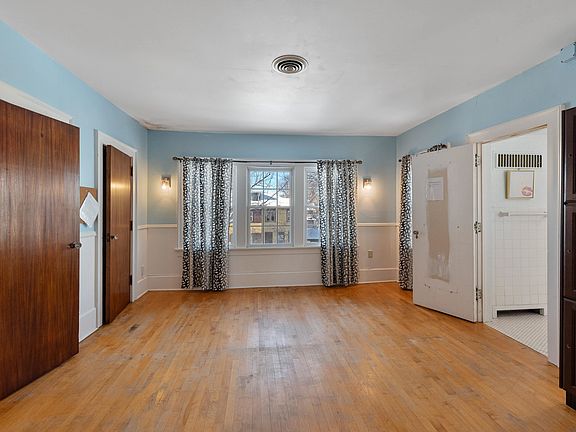
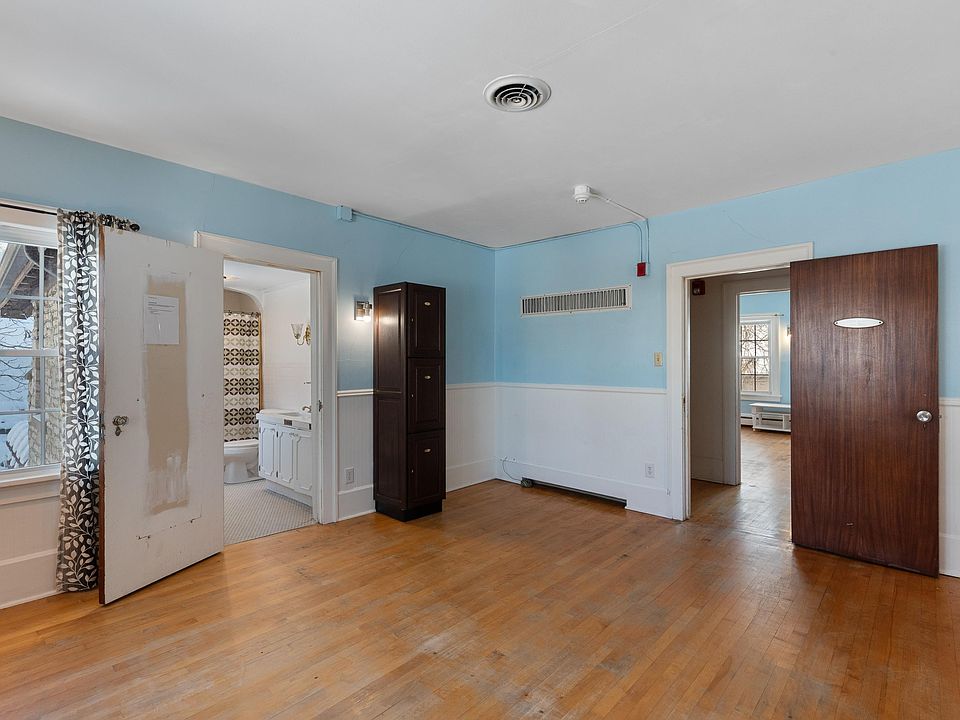
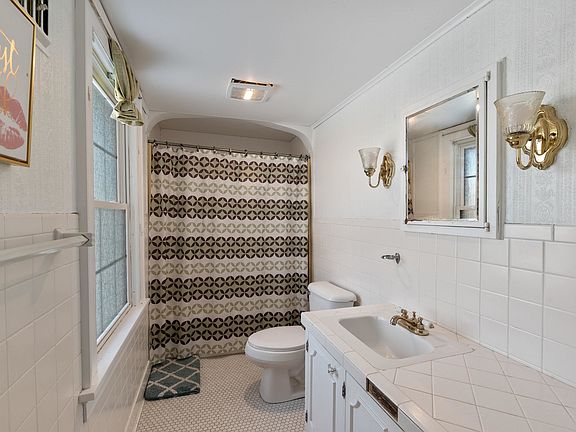
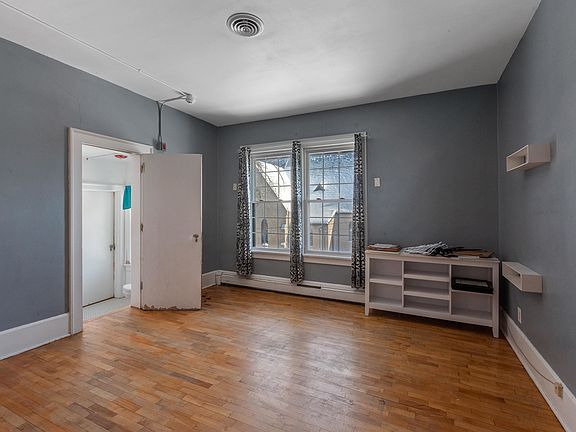
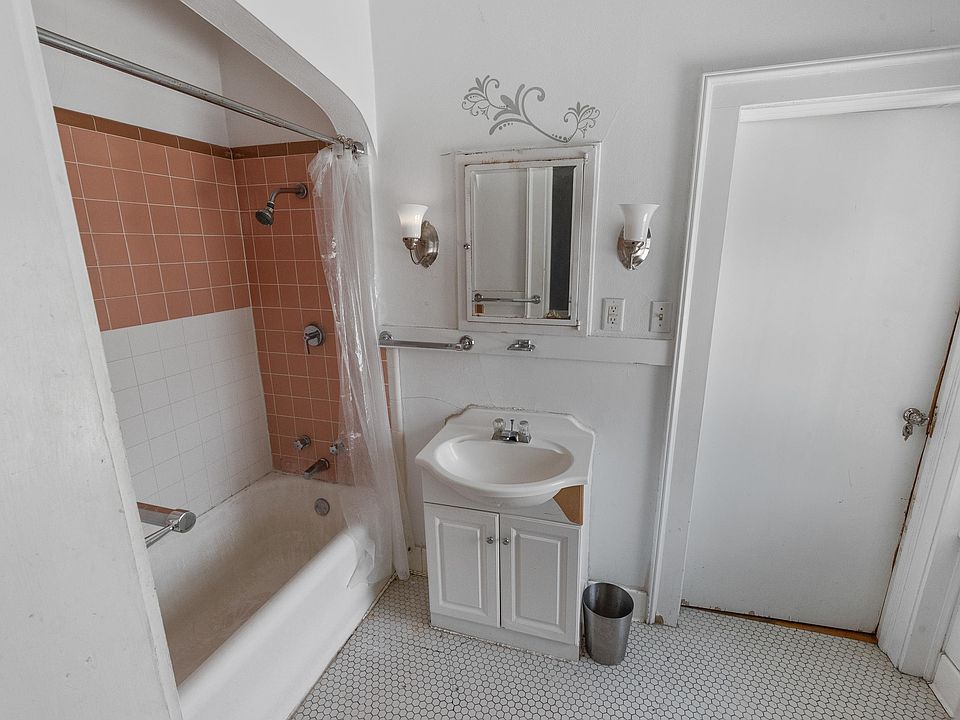
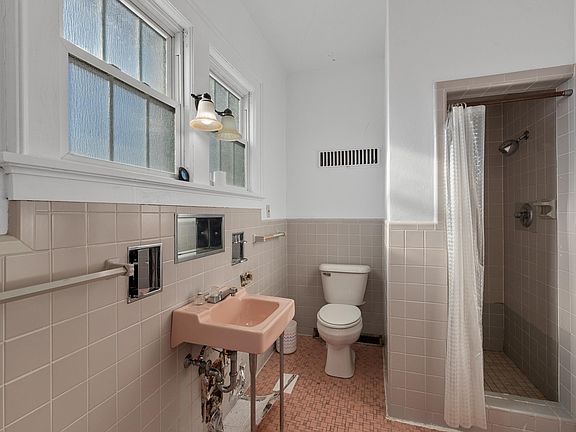
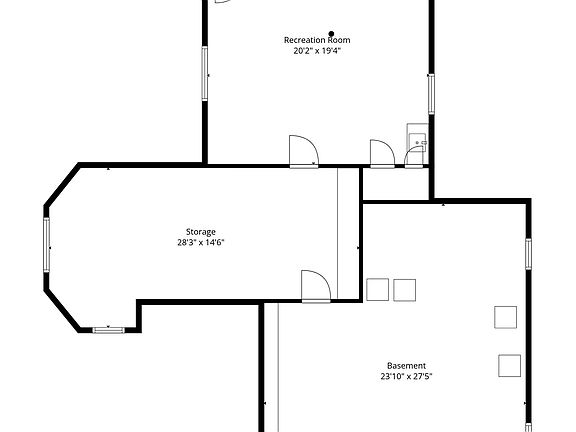
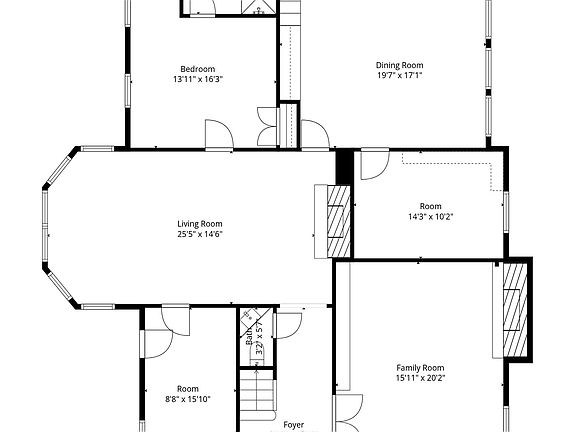
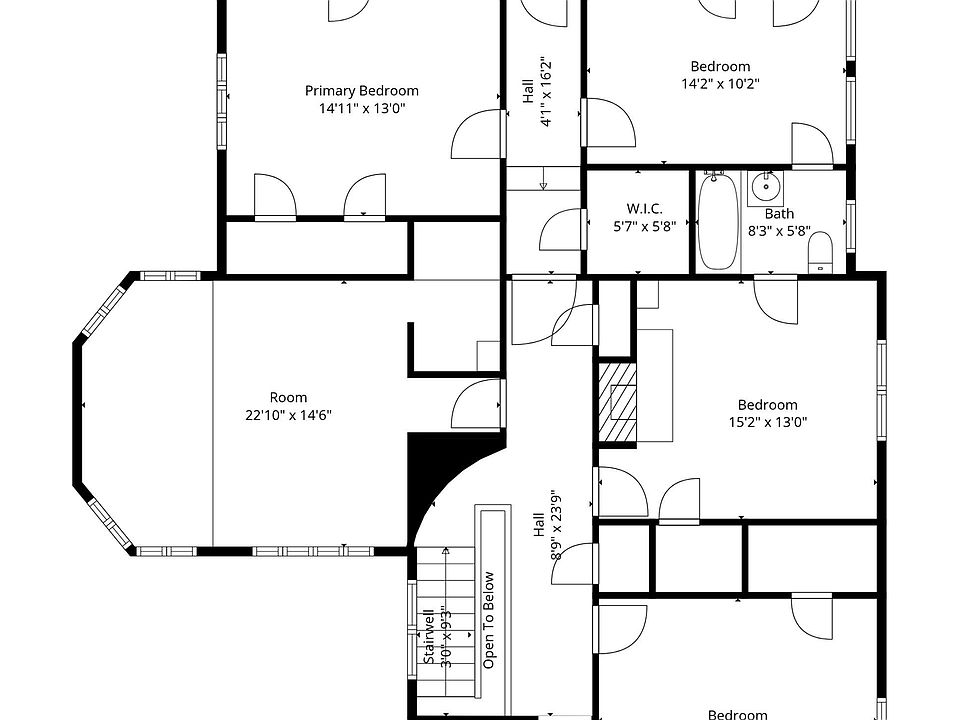
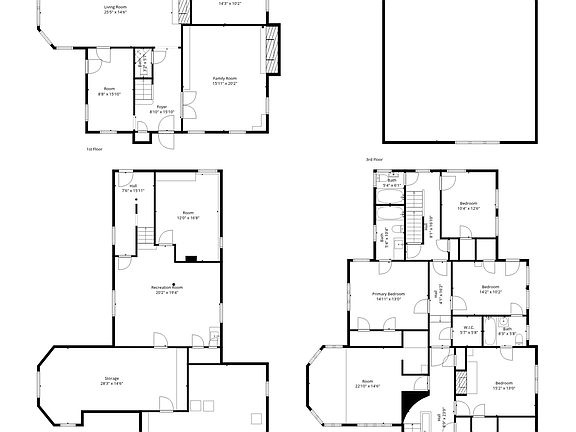
The floor plan reflects the building’s original purpose while offering versatility for modern use. Six bedrooms and five and a half bathrooms provide a rare level of accommodation, whether for a large household, multiple units, or creative repurposing. Unlike many older homes where room sizes feel constrained, the spaces here are generous, allowing for flexible furniture arrangements and varied uses. Each room feels distinct, yet connected, contributing to a sense of flow rather than fragmentation.
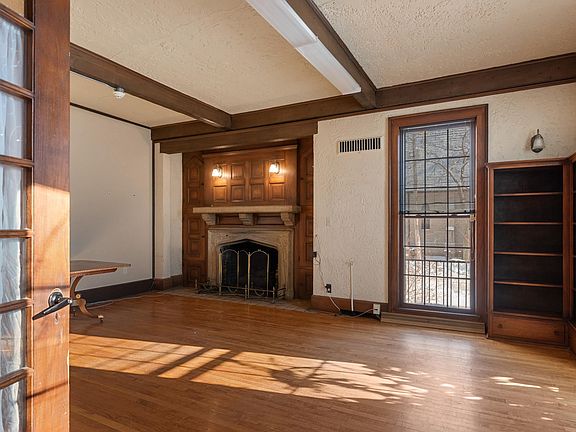
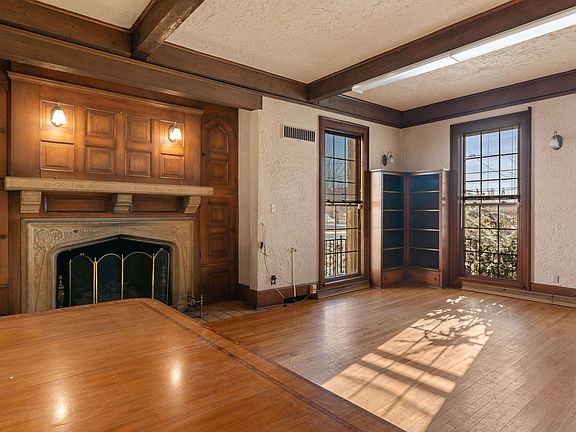
The formal dining room stands as a testament to the home’s historic role in hosting gatherings and communal meals. Its proportions suggest a space meant for conversation and connection, where long tables and shared experiences once played a central role. Nearby, a sun-filled library offers a quieter counterpart, a place for reflection, reading, or study. The presence of a separate office further enhances the property’s functionality, making it well-suited to contemporary needs such as remote work or professional use within a residential setting.
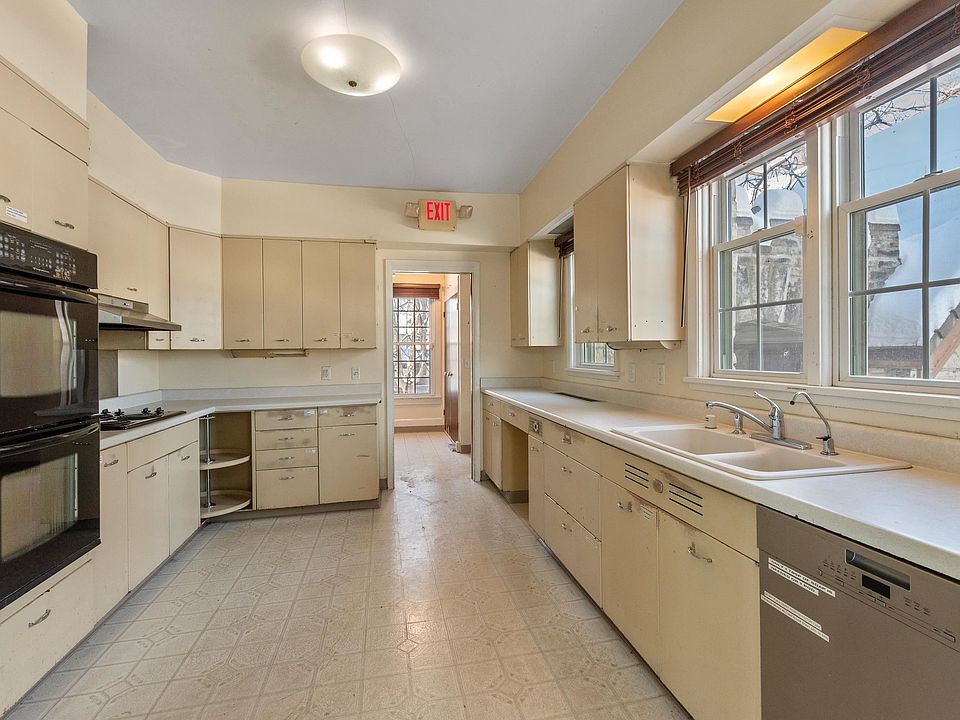
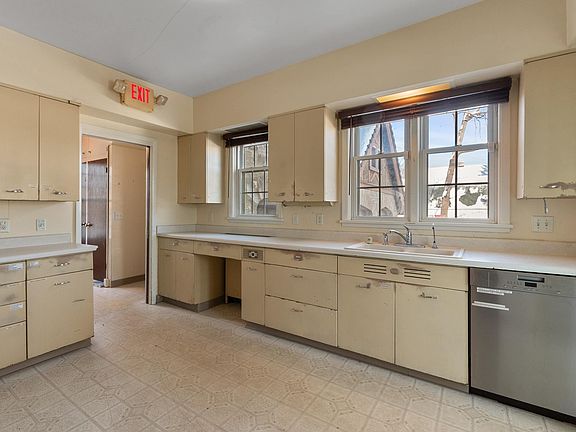
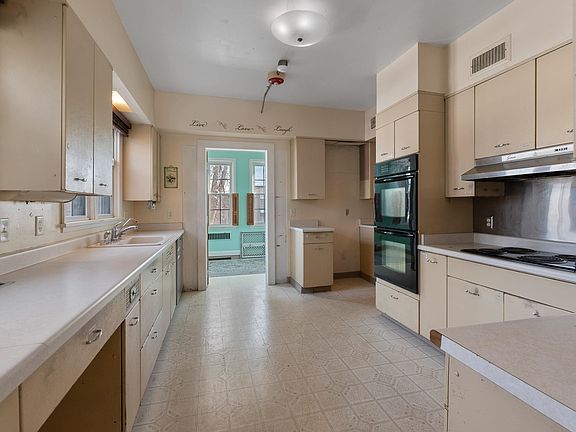
The kitchen, complete with a butler’s pantry, reflects an era when food preparation was both a practical and ceremonial activity. While buyers may choose to update or reinterpret this space, its size and layout provide a solid foundation for customization. The butler’s pantry, in particular, offers storage and transitional space that is highly valued in both single-family homes and multi-unit conversions. Within the context of a real estate sale, features like these add depth and authenticity that cannot be replicated through modern construction alone.
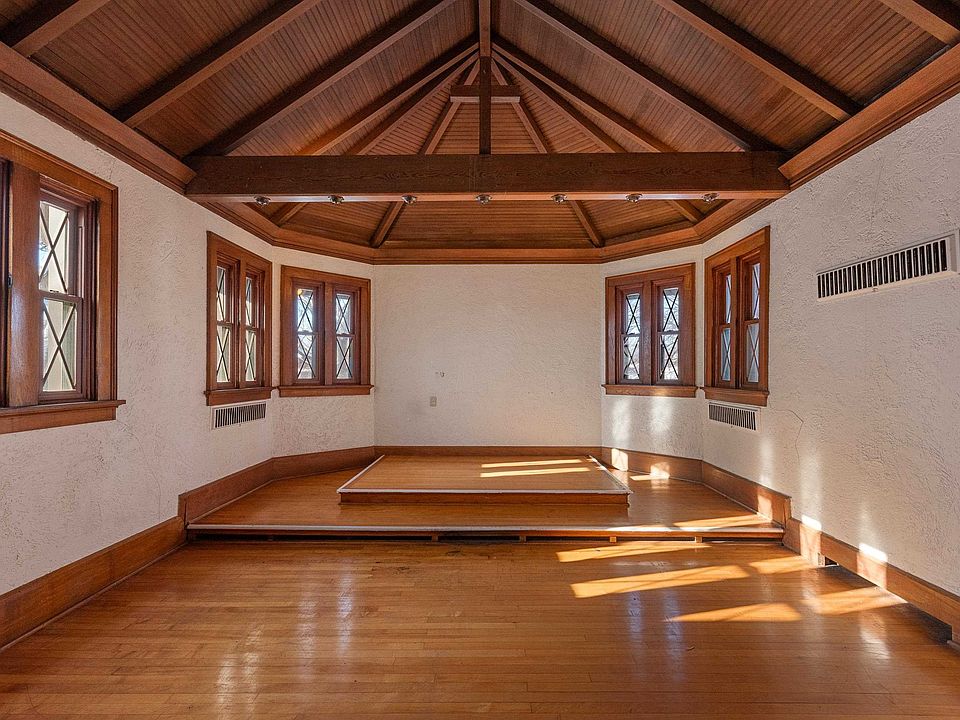
Perhaps the most unique interior feature is the private chapel, a poignant reminder of the home’s beginnings as a rectory. This space sets the property apart in a way that few homes can claim. While future owners may choose to preserve its original character or adapt it for another purpose, its presence adds a layer of meaning and distinction. In a market where many houses for sale feel interchangeable, this element underscores the individuality of the property.
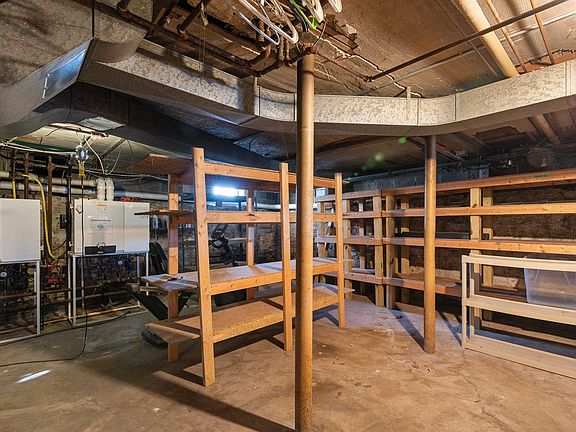
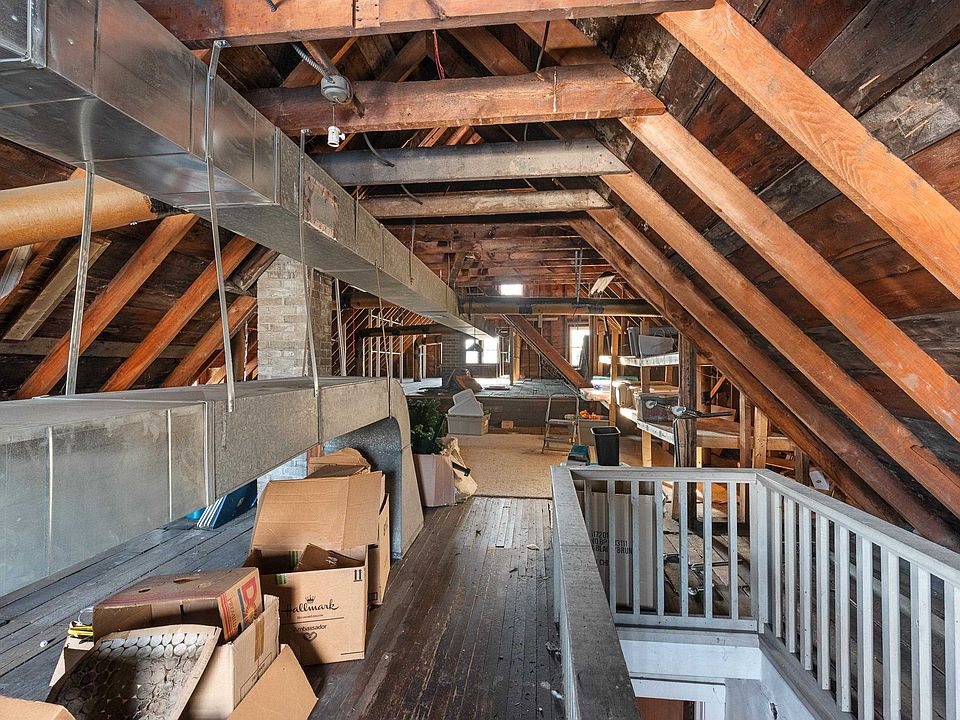
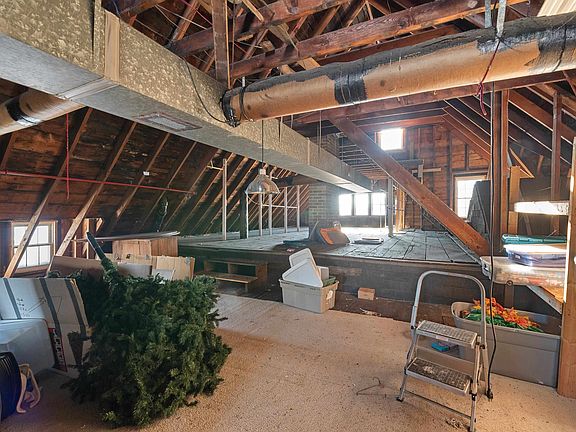
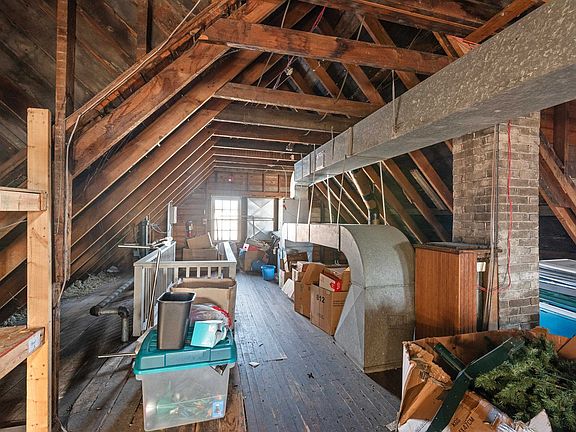
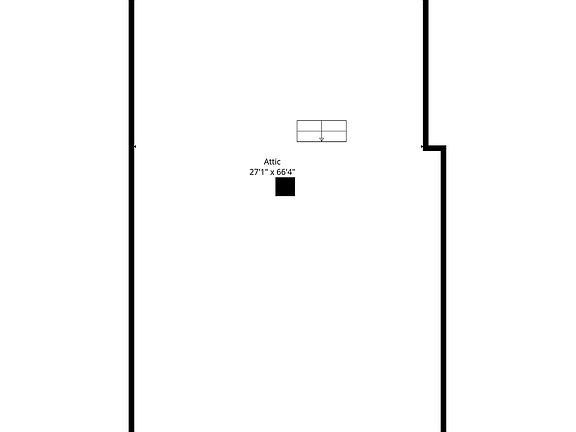
Beyond individual rooms, the overall condition of the home reflects a balance between preservation and progress. Newer windows throughout contribute to comfort and efficiency, addressing one of the most common concerns buyers have when considering historic properties. While dimensions and total square footage are estimated per the floor plan and should be verified by the buyer if important, the scale of the home is undeniable and provides ample opportunity for thoughtful updates and improvements.
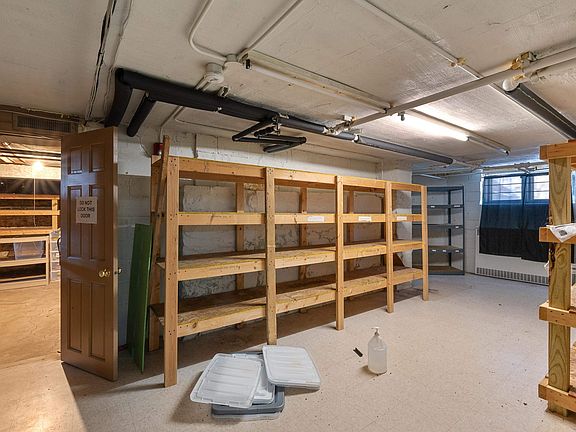
Outside, the expansive lot further enhances the property’s appeal. Over half an acre allows for gardens, outdoor gathering spaces, or additional parking, depending on the future vision for the site. A two-car garage adds practicality, especially for a property of this size. The outdoor space serves as a buffer from neighboring structures, reinforcing a sense of privacy that is increasingly difficult to find in city settings.
From a real estate perspective, this property occupies a compelling intersection of history, size, and zoning flexibility. Many historic homes are limited by strict residential use, but here the ability to configure the property as a single-family residence, duplex, or triplex opens the door to multiple strategies. An owner-occupant might choose to live in one portion while generating income from others, while an investor could focus on restoration and rental potential. A knowledgeable realtor will recognize how rare it is to find such options within a single listing.
The home’s location in Fond du Lac further contributes to its long-term value. As communities continue to rediscover and reinvest in their historic cores, properties like this often benefit from renewed interest and appreciation. The combination of architectural heritage and urban accessibility positions the house well within broader real estate trends that favor character-rich homes with flexible use potential.
Restoration-minded buyers will appreciate the wealth of original details still present throughout the house. The oak staircase, wood paneling, tall ceilings, and period millwork provide a strong architectural framework that can be highlighted and enhanced through careful updates. Rather than starting from scratch, future owners have the opportunity to work with what is already there, allowing the home’s history to guide its next chapter.
At the same time, the property does not demand a single vision. Its size and layout invite creativity, whether that means returning it to a grand single-family residence or adapting it to serve multiple households. This adaptability is particularly relevant in today’s housing market, where flexibility is often as important as aesthetics. Buyers are increasingly looking for homes that can evolve with changing needs, and this property offers that potential in abundance.
The price point adds another layer of intrigue. In many markets, a home of this size and historical significance would command a substantially higher figure. Here, the listing presents an opportunity for buyers willing to invest time and resources into unlocking the property’s full potential. Within the context of a real estate sale, this combination of scale, history, and pricing is uncommon and worthy of serious consideration.
It is also worth noting the procedural details that accompany the listing. With a 48-hour binding acceptance requirement, interested parties are encouraged to approach the opportunity with preparation and clarity. This underscores the seriousness of the sale and the importance of working with a realtor who understands both the property and the local market dynamics.
Ultimately, this home represents more than a transaction. It offers a chance to become a steward of a landmark, to participate in the ongoing story of a building that has already served its community for well over a century. Whether approached as a residence, an investment, or a combination of both, the property invites thoughtful engagement rather than passive ownership.
In a real estate environment often dominated by new construction and rapid turnover, this limestone Queen Anne stands apart. Its walls have witnessed change, continuity, and care, and they are prepared to do so again. For buyers seeking a house for sale that offers depth, flexibility, and genuine historical presence, this property delivers a rare and compelling proposition.
Photos:
Listed by:
Teresa Keenan Office 920-923-6000,
Klapperich Real Estate, Inc.
Also listed on Zillow!
