
2825 West Kilbourn AVENUE, Milwaukee, WI 53208
$299,900 | 1888 | 5,222 Sq. Ft. | 6 Beds | 5 Baths
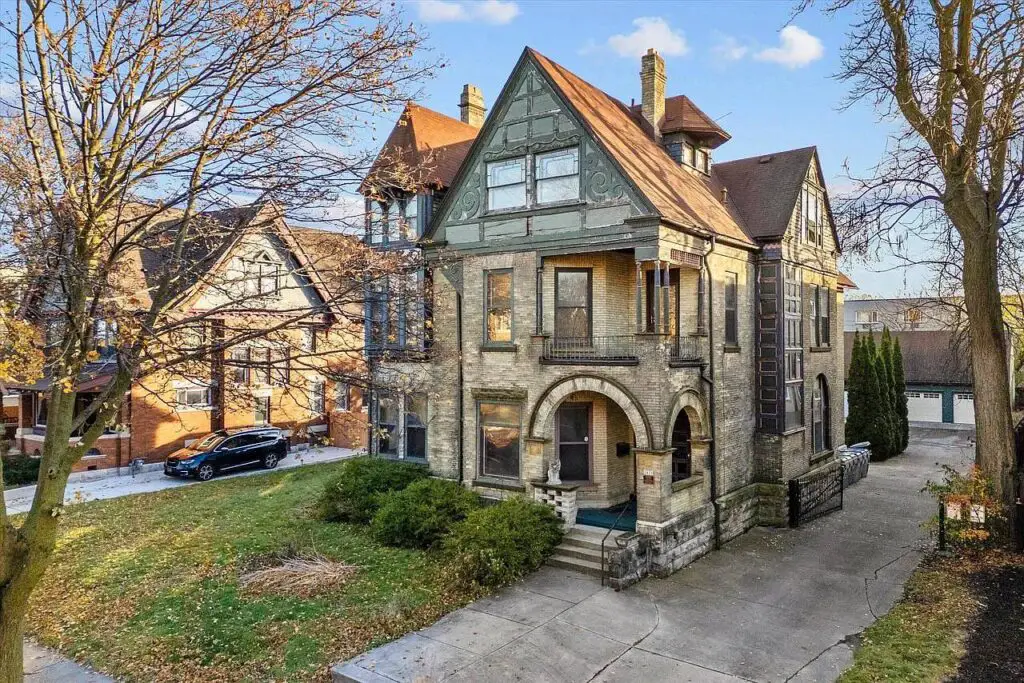
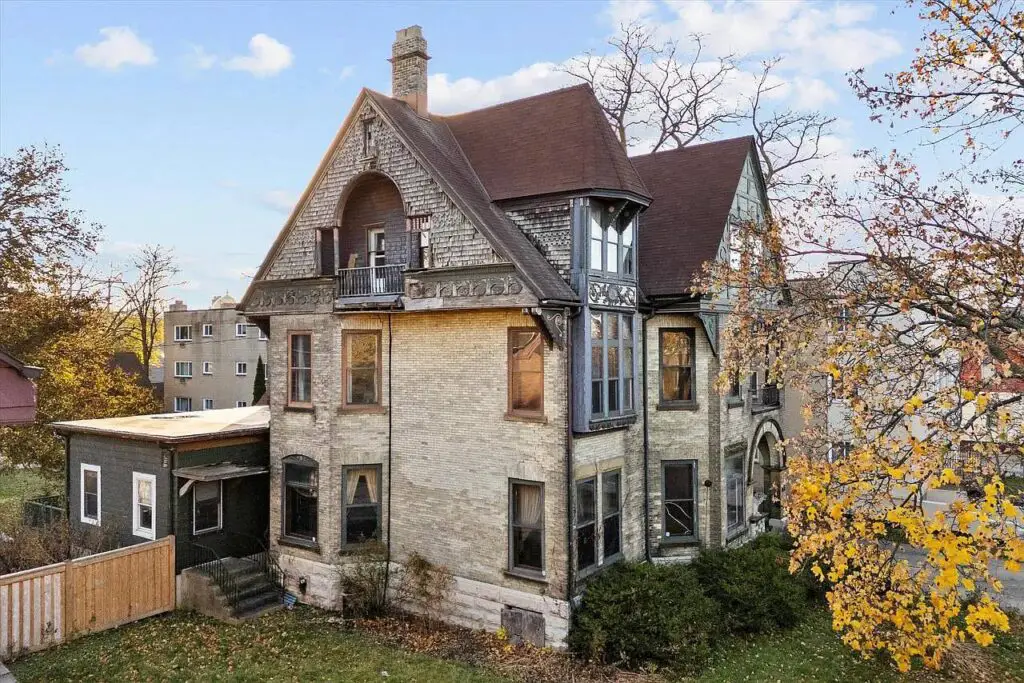
There is a certain gravity to a house that has stood for well over a century, a presence that cannot be replicated by modern construction no matter how carefully designed. This late 19th-century Victorian and Queen Anne mansion, built in 1888, is one of those rare homes where history is not an abstract concept but something you experience the moment you arrive. Set within Milwaukee’s distinguished Concordia neighborhood, this residence reflects an era when architecture was both expressive and ambitious, designed to impress while remaining deeply livable. In today’s real estate landscape, where so many properties strive for sameness, this home stands apart as an authentic artifact of craftsmanship and intention.
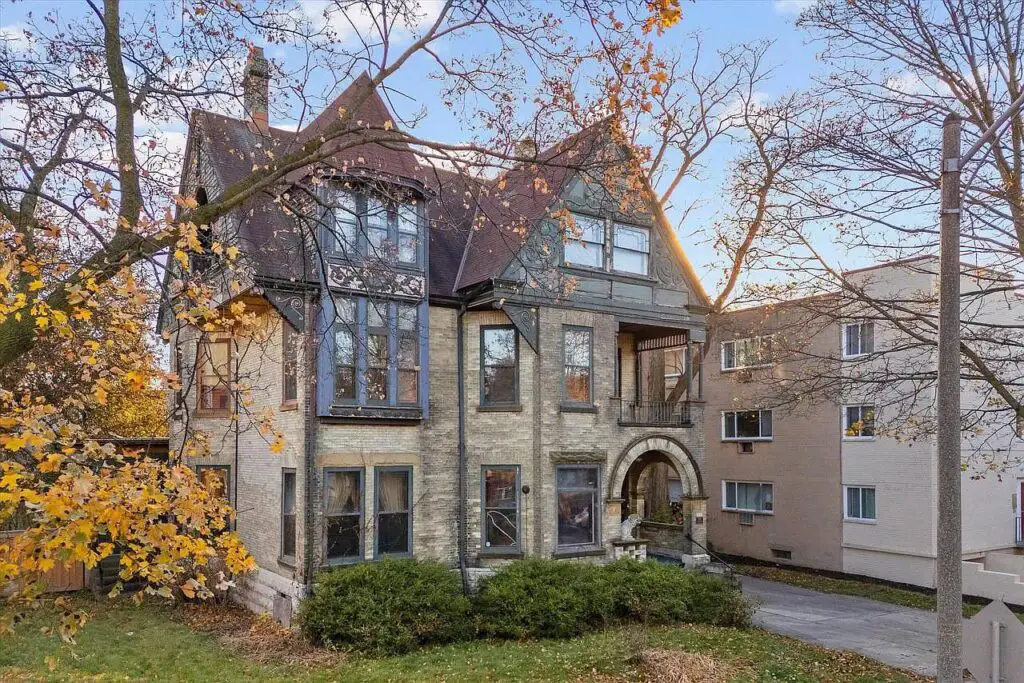
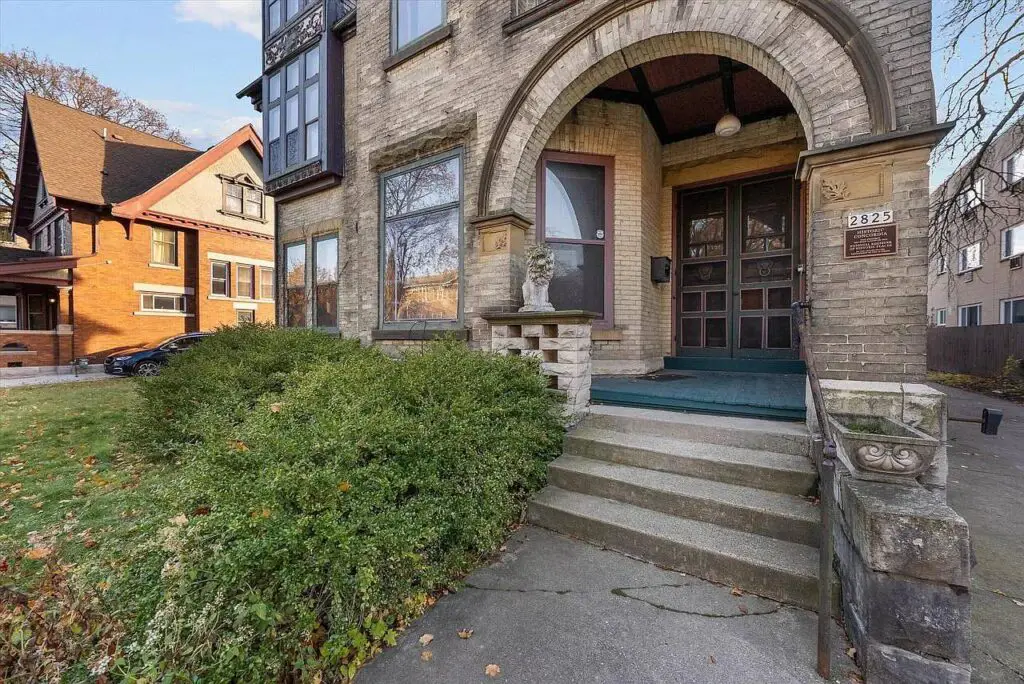
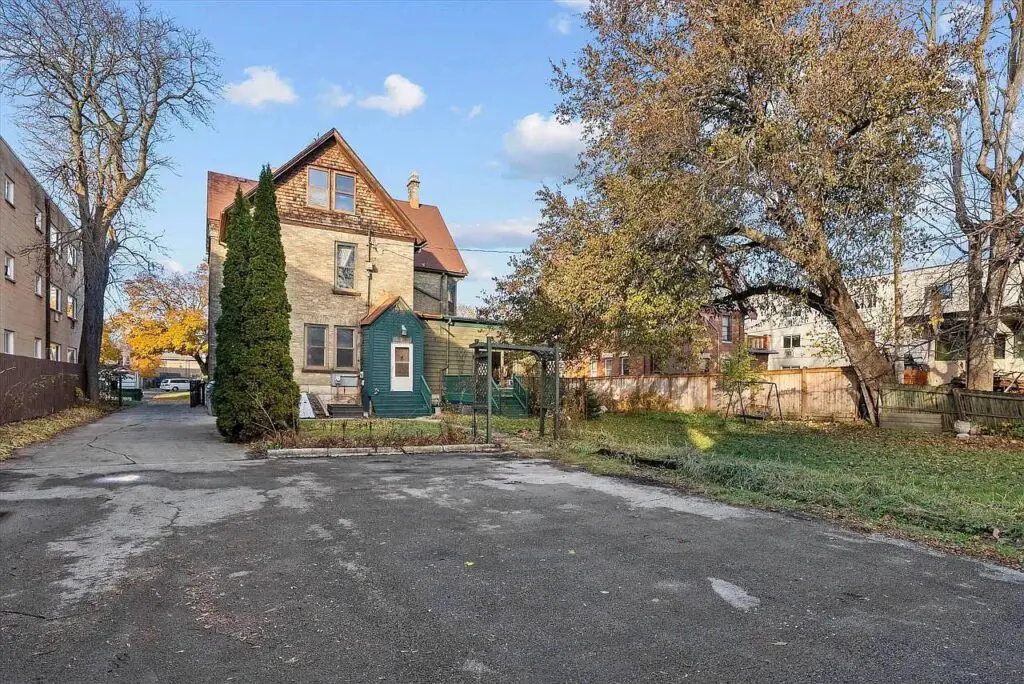
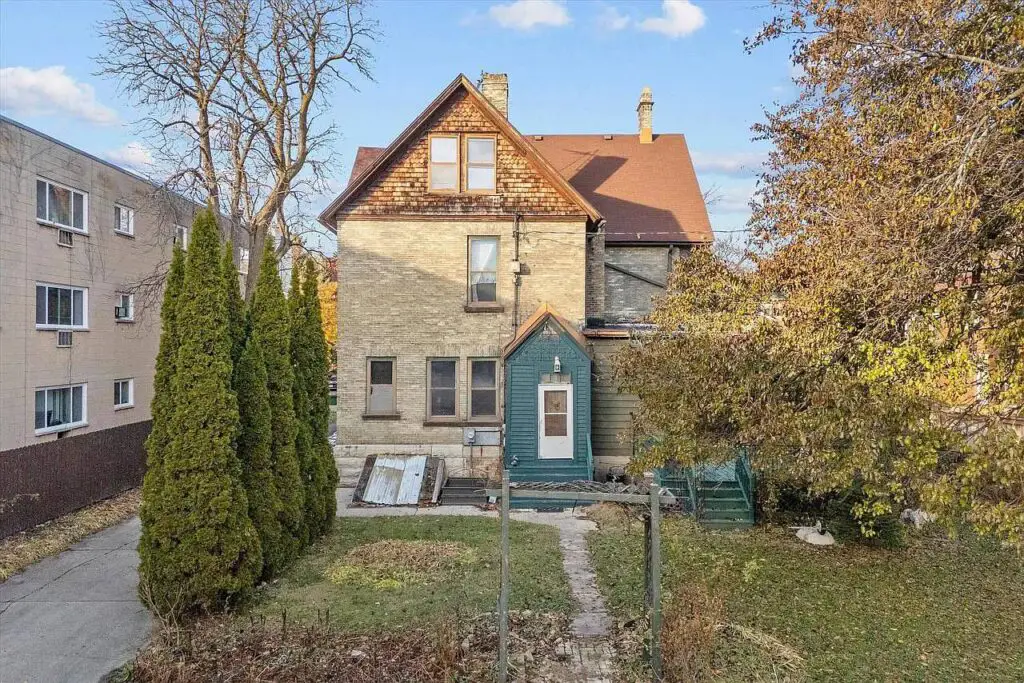
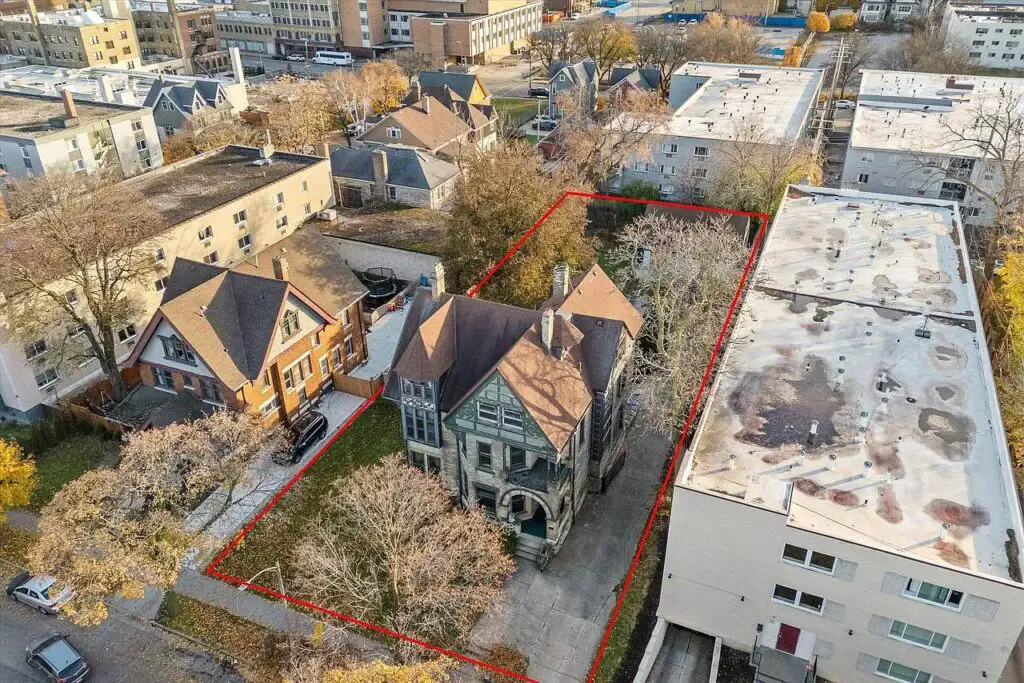
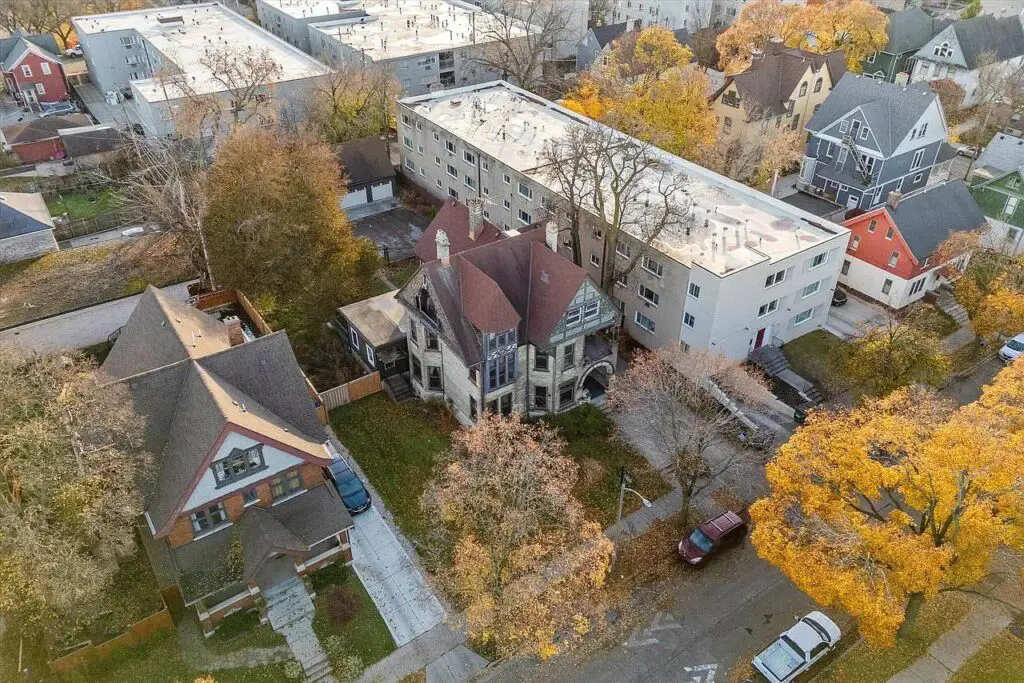
From the outset, the scale of the house makes itself known. Rising three full stories and offering more than 5,200 finished square feet, the home feels substantial without being overwhelming. Its brick and stone exterior, combined with the classic massing of Victorian and Queen Anne design, gives the structure a sense of permanence. Situated on a generous 0.44-acre lot, the property enjoys a level of space that is increasingly difficult to find in urban historic districts. Mature surroundings and a fenced yard create a sense of privacy, reinforcing the feeling that this is not simply a house for sale, but a long-established home with deep roots.
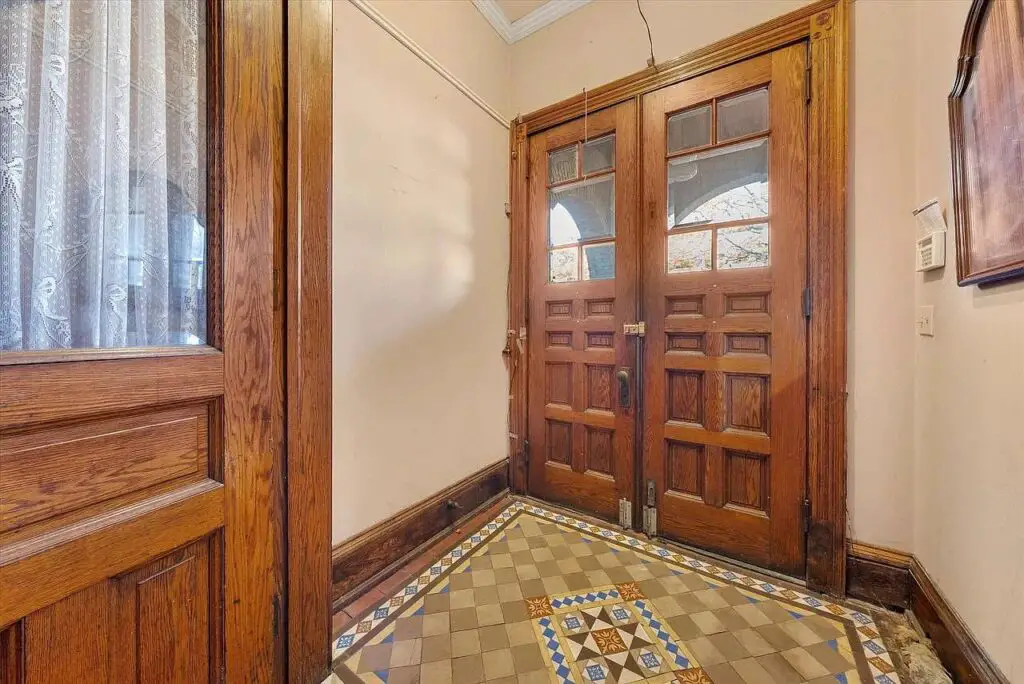
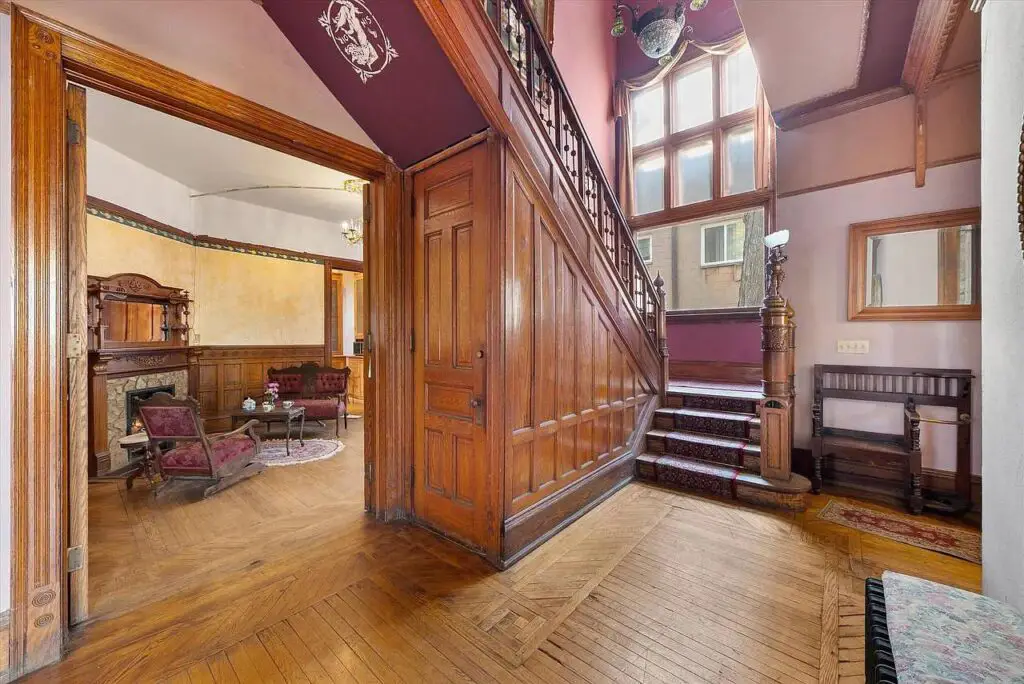
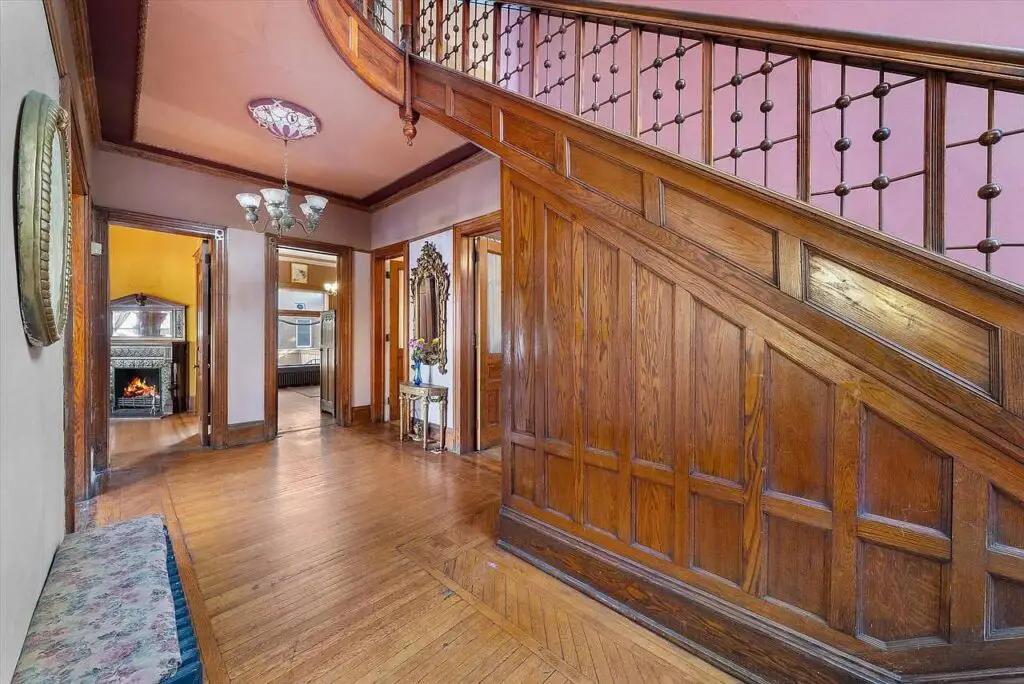
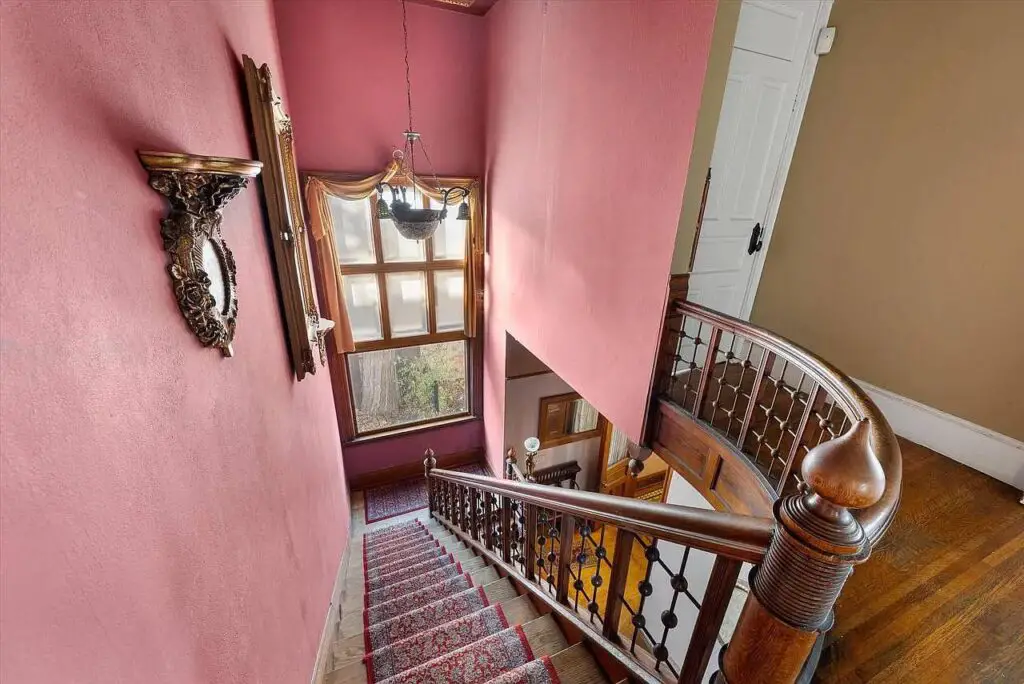
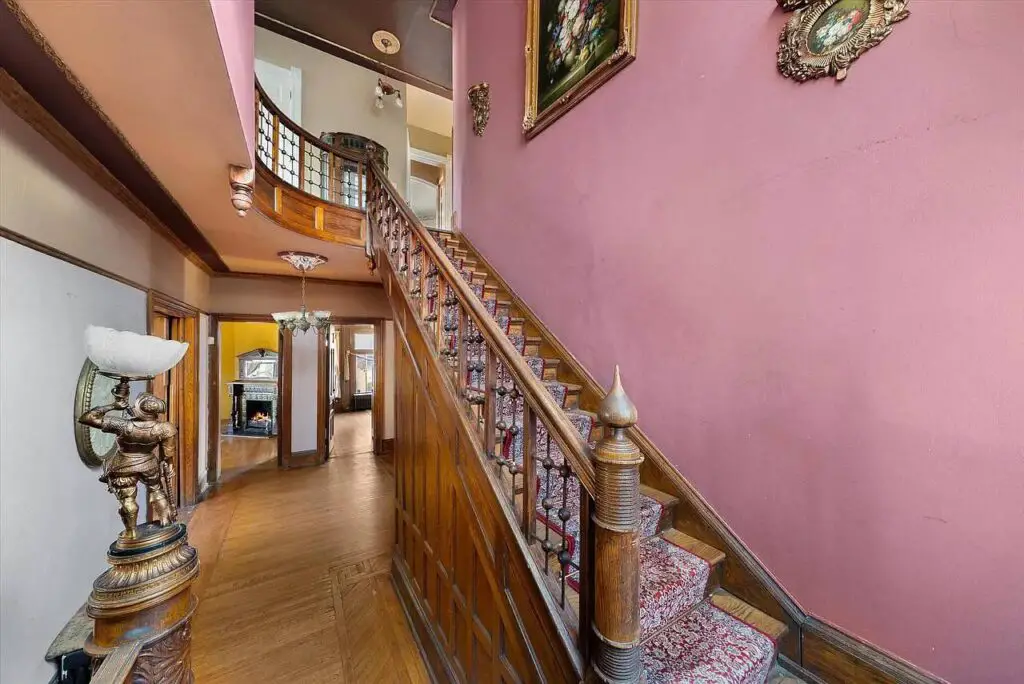
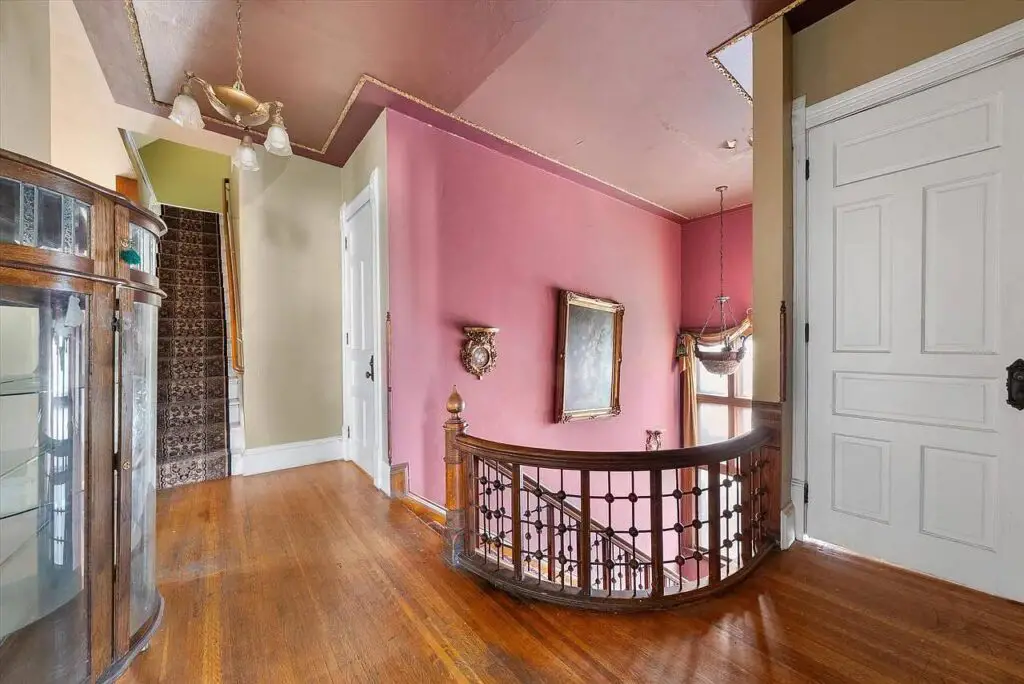
Entering the residence, the transition from exterior to interior is immediate and striking. A tiled foyer introduces the historic character that defines the entire home, setting a formal yet welcoming tone. The gracious entry hall unfolds with confidence, anchored by a refined staircase that draws the eye upward. This staircase is not merely functional but sculptural, a centerpiece that reflects the importance placed on movement and ceremony in homes of this period. High ceilings amplify the sense of openness, allowing light to travel freely through the space.
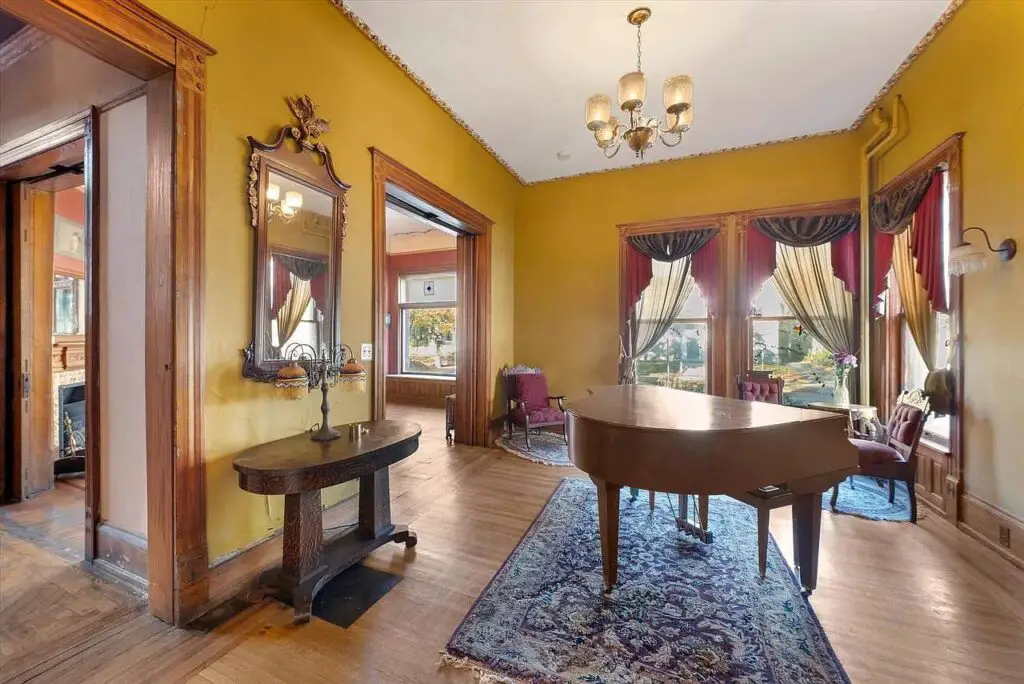
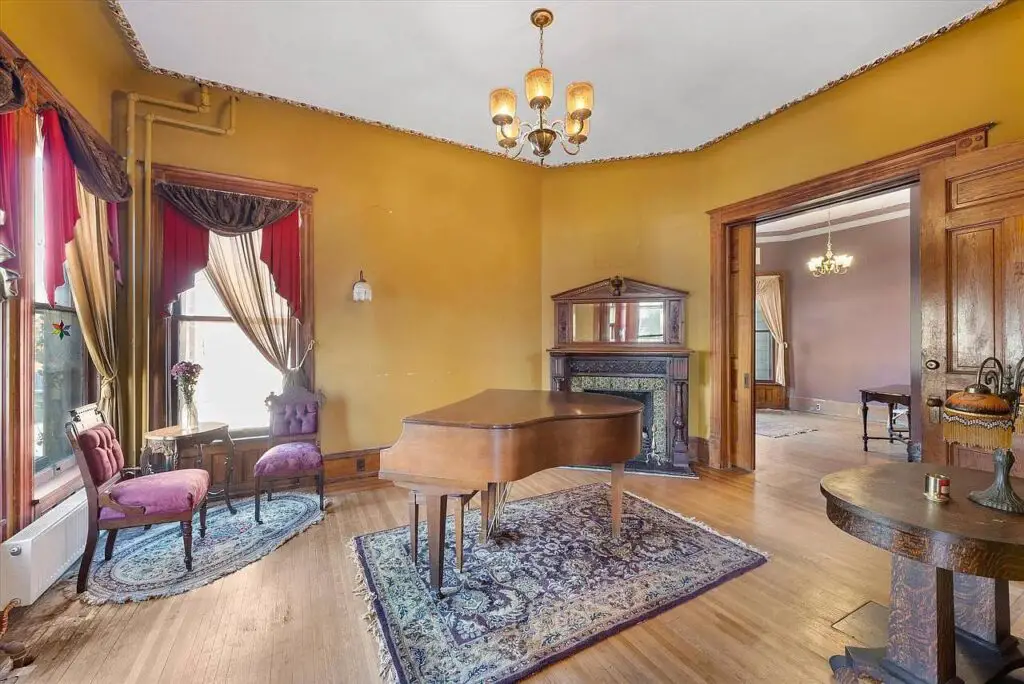
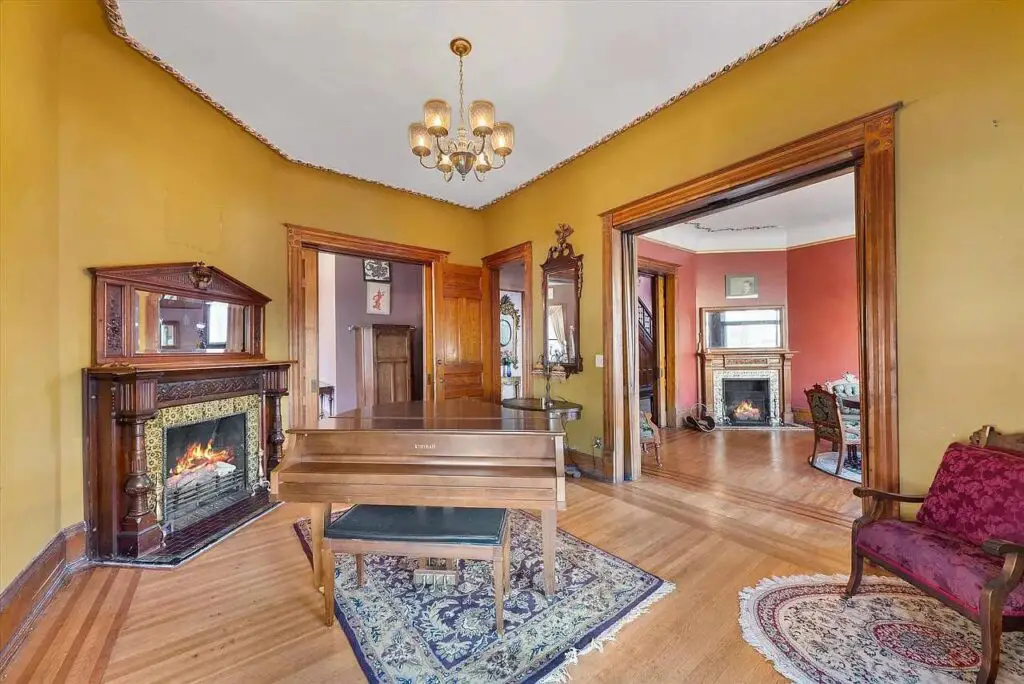
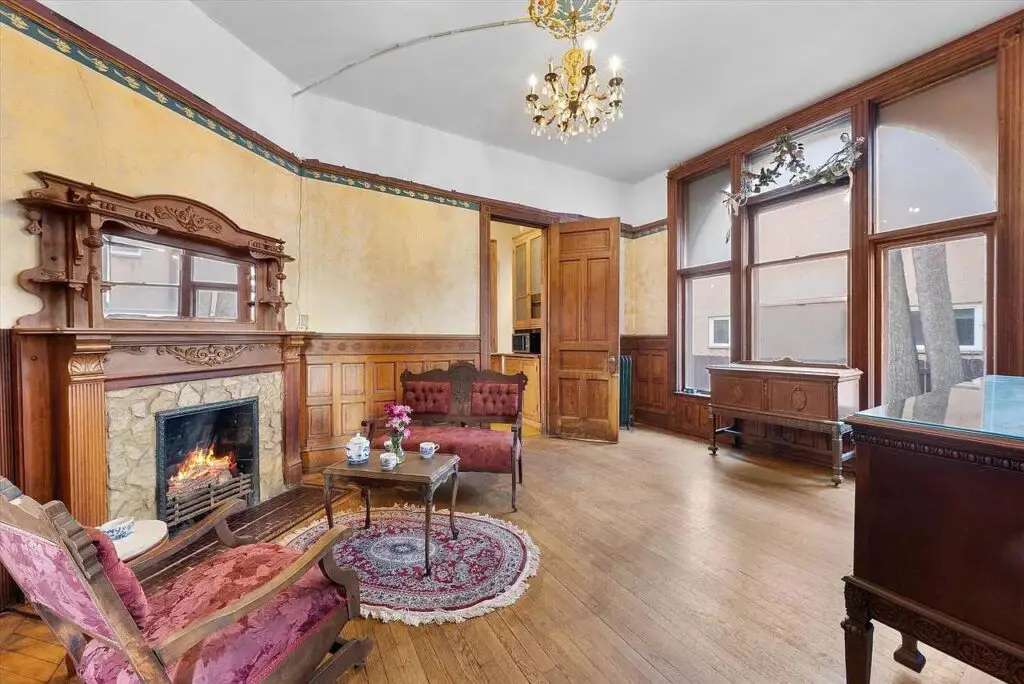
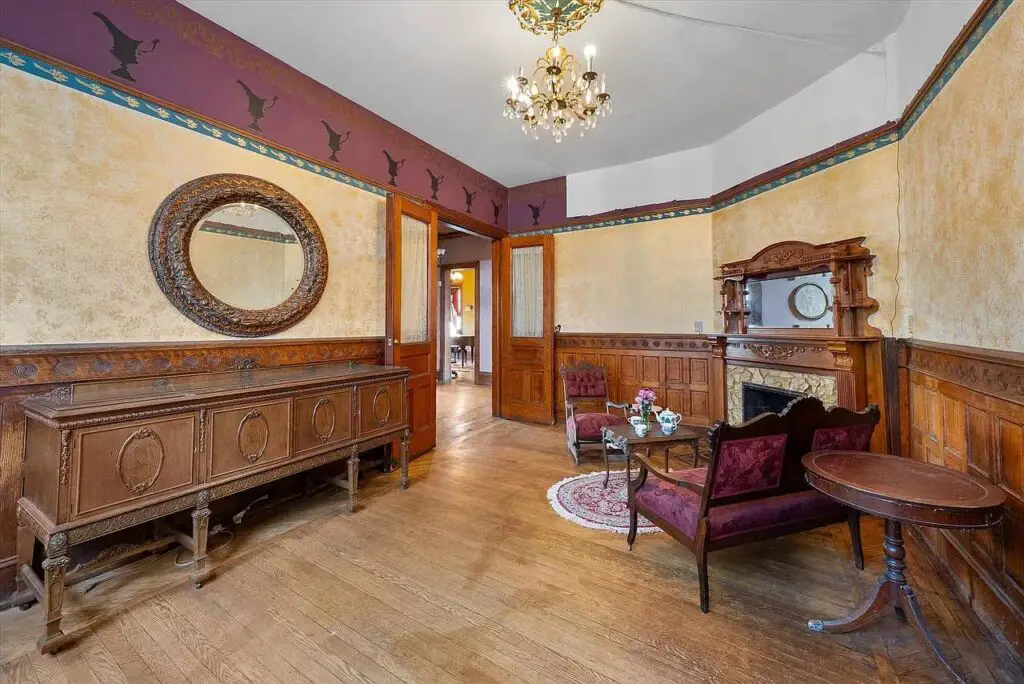
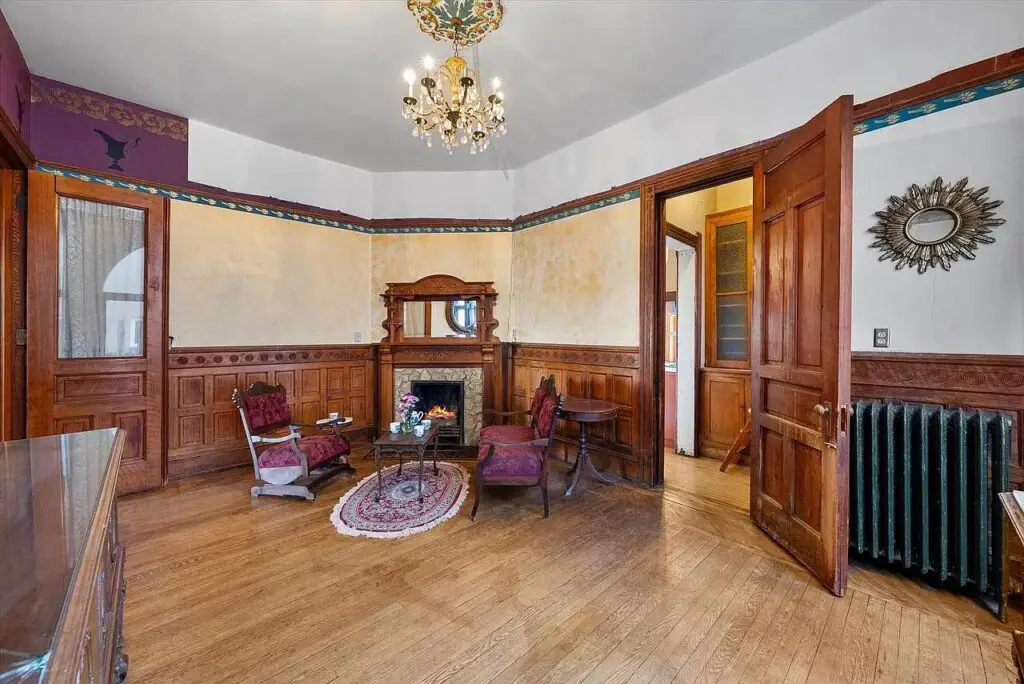
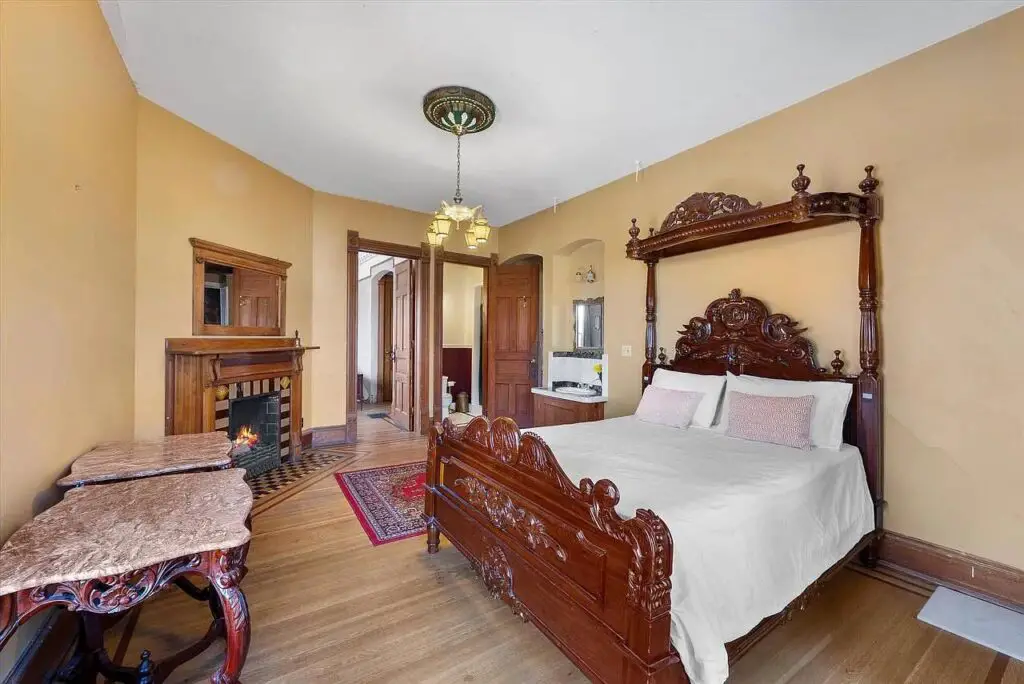
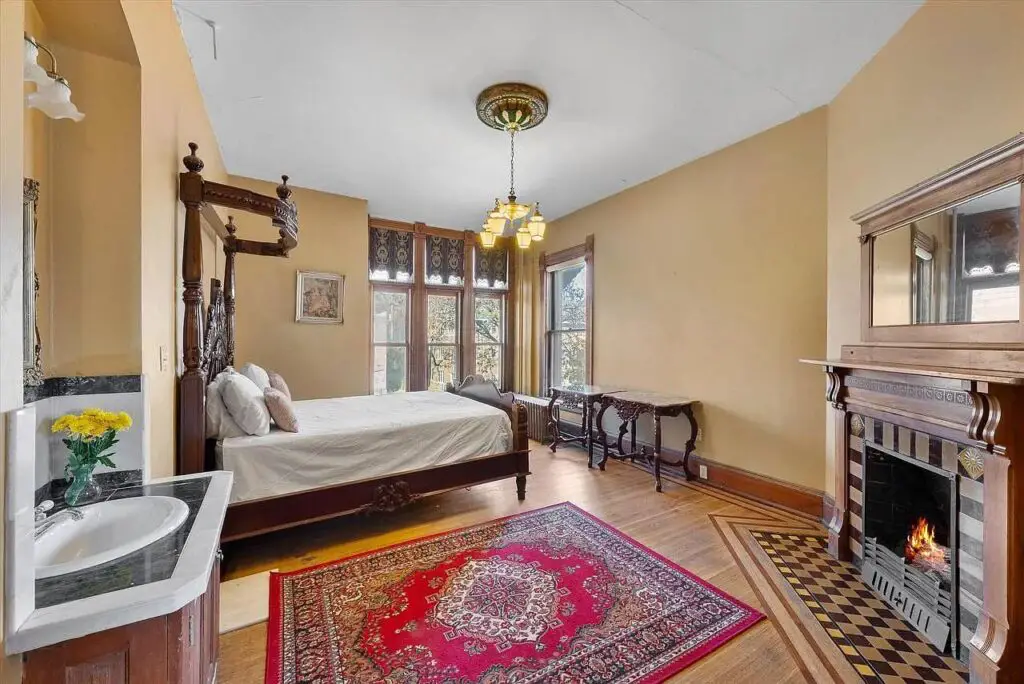
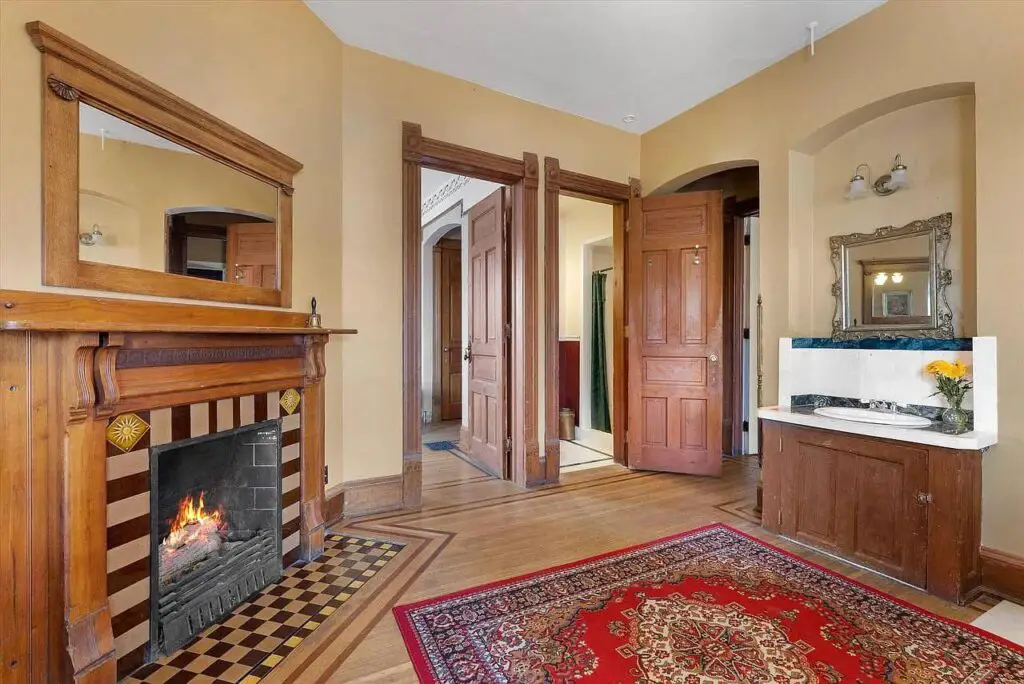
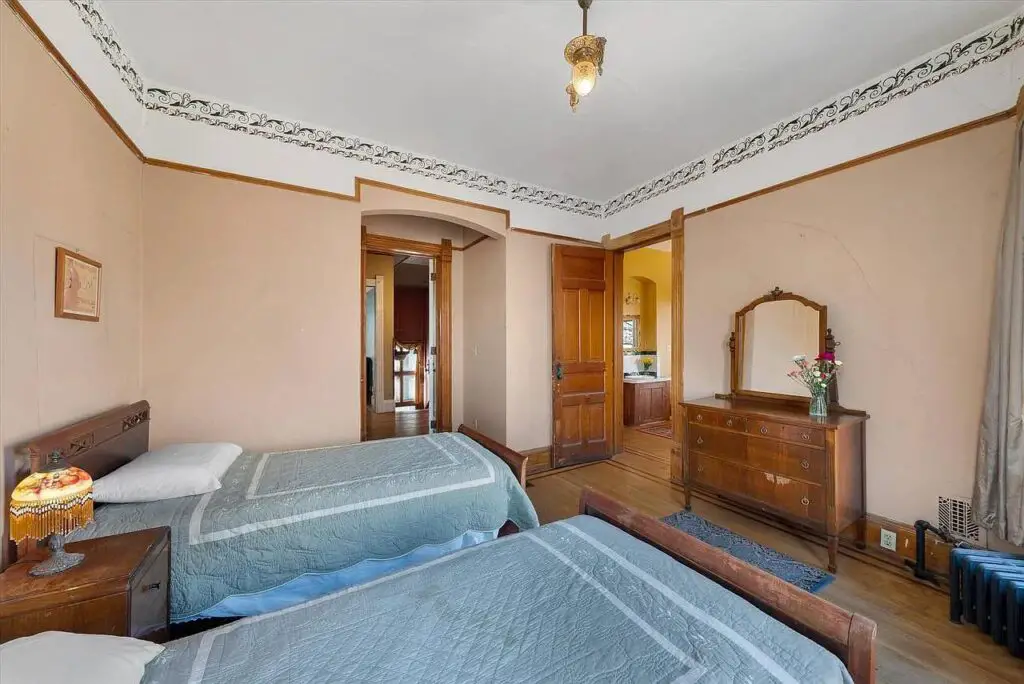
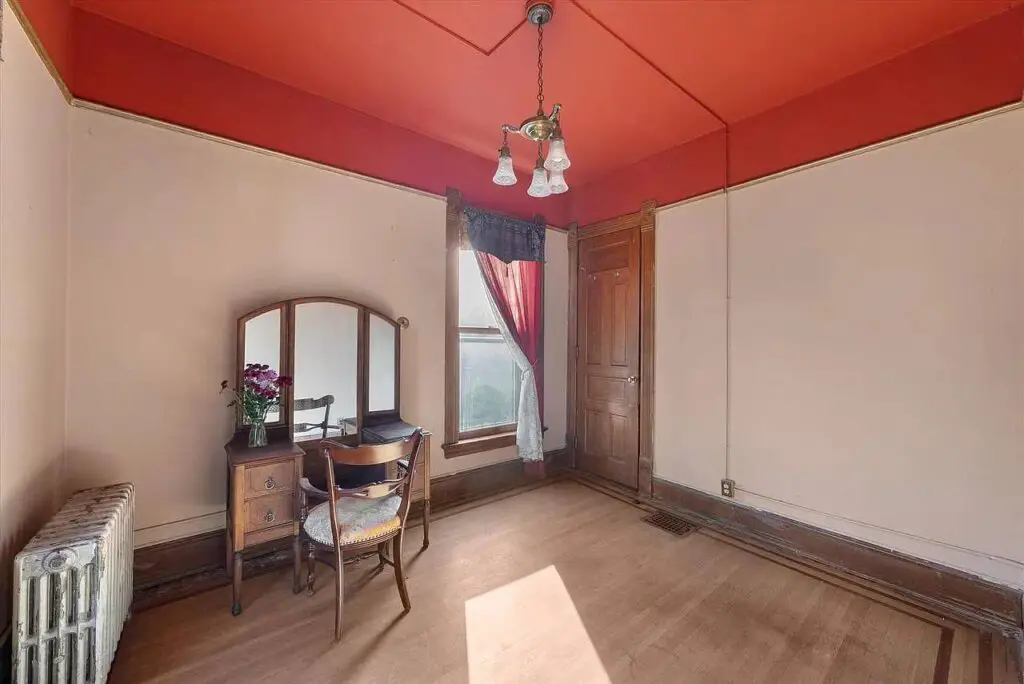
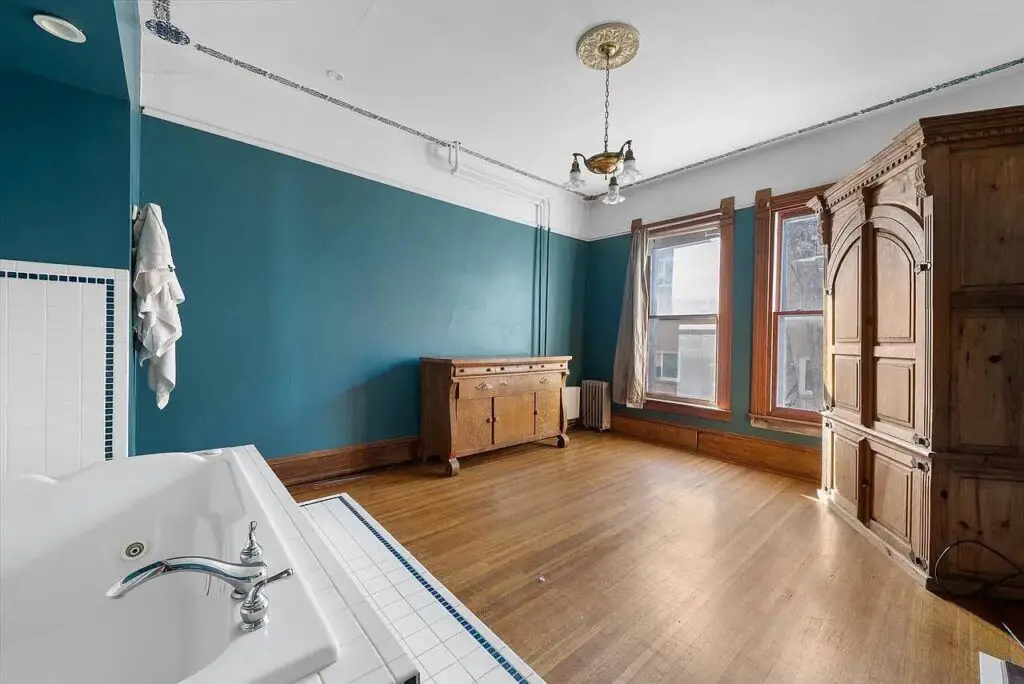
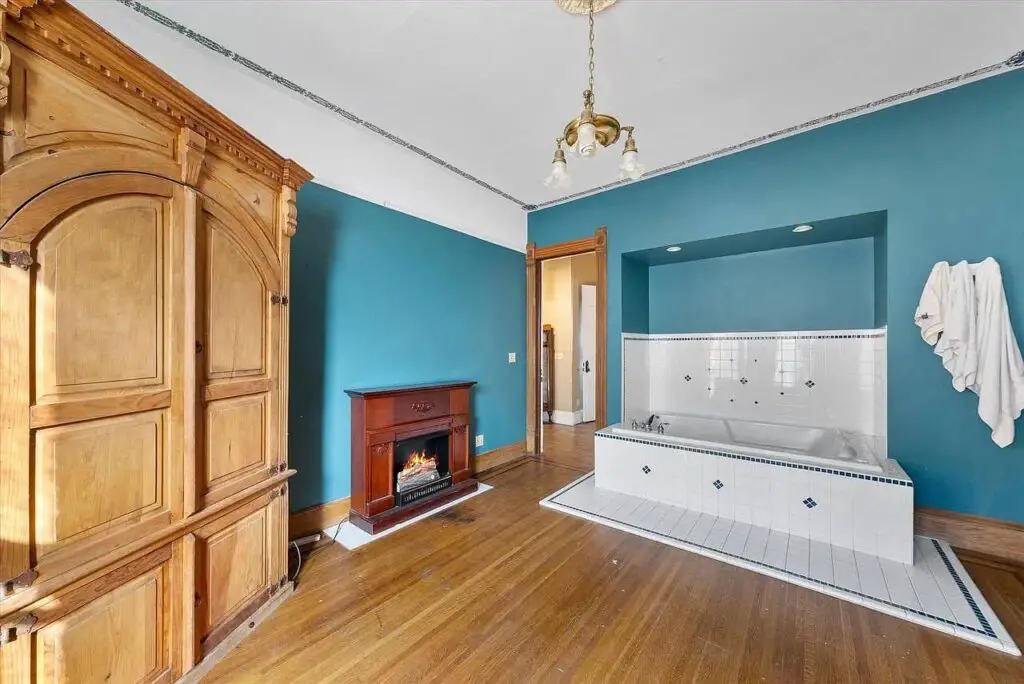
Throughout the interior, original architectural details serve as constant reminders of the home’s pedigree. Hardwood floors run through the rooms, their patina telling a quiet story of generations past. Pocket doors provide both elegance and flexibility, allowing spaces to be opened or closed as needed without sacrificing flow. Ceiling medallions, crown moldings, and intricate plasterwork speak to a level of artistry that is rarely reproduced today. These elements were not added for effect; they were integral to the design, crafted to elevate everyday living into something refined.
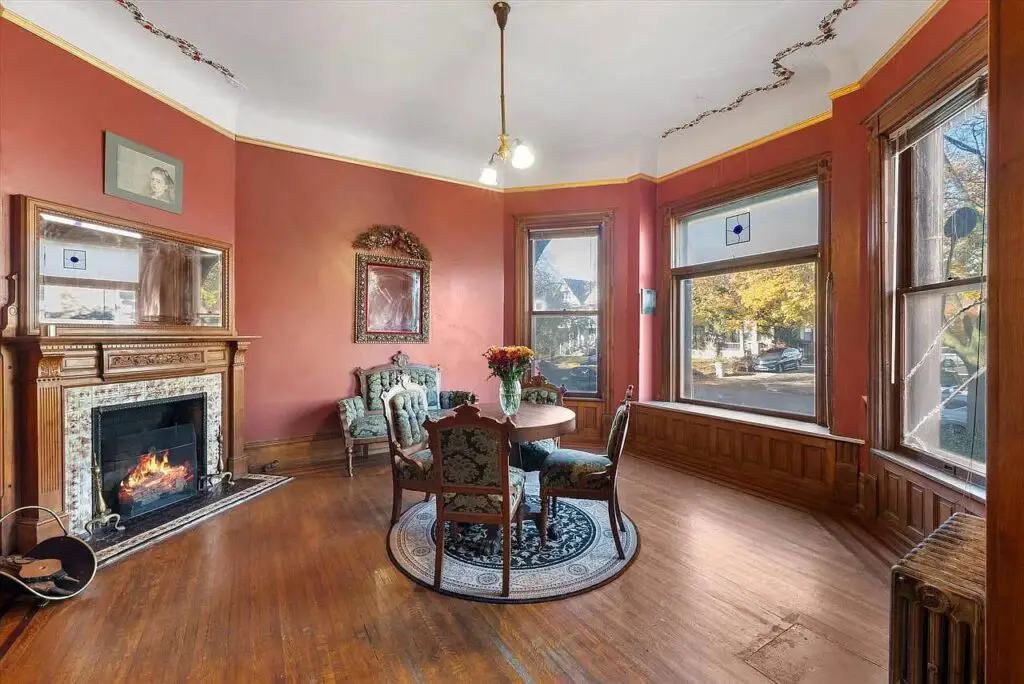
The main floor is particularly impressive in both layout and scale. Three separate parlors create a series of interconnected yet distinct spaces, each capable of serving a different purpose. Whether envisioned as formal sitting rooms, music rooms, or more relaxed gathering spaces, these parlors offer flexibility that modern open-concept designs often lack. Their separation allows for privacy and variety, giving the home a rhythm that encourages movement and conversation.
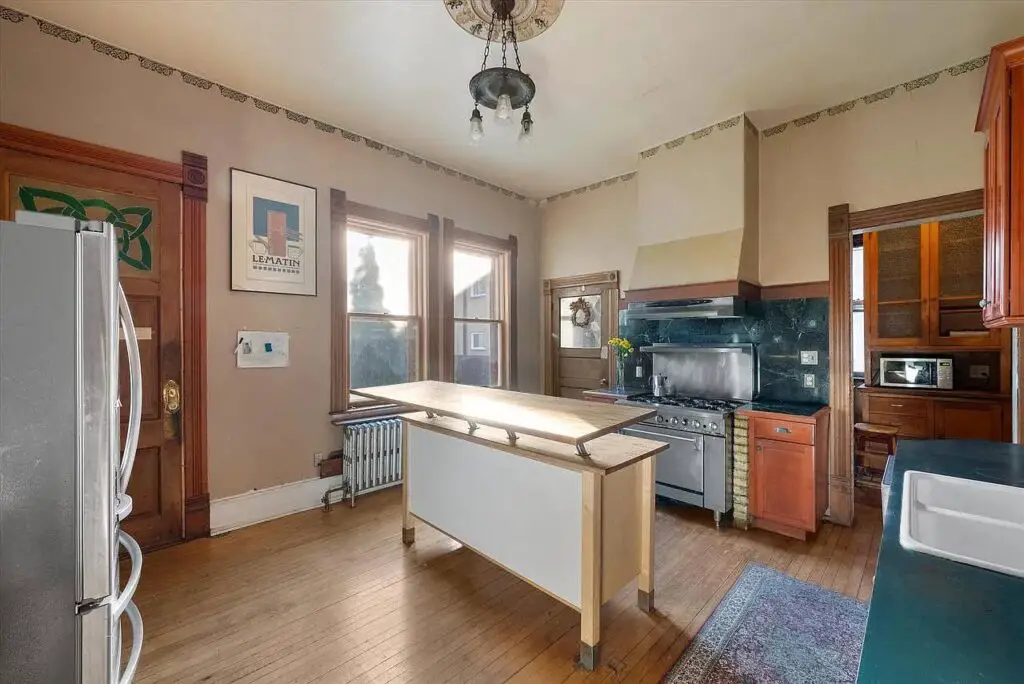
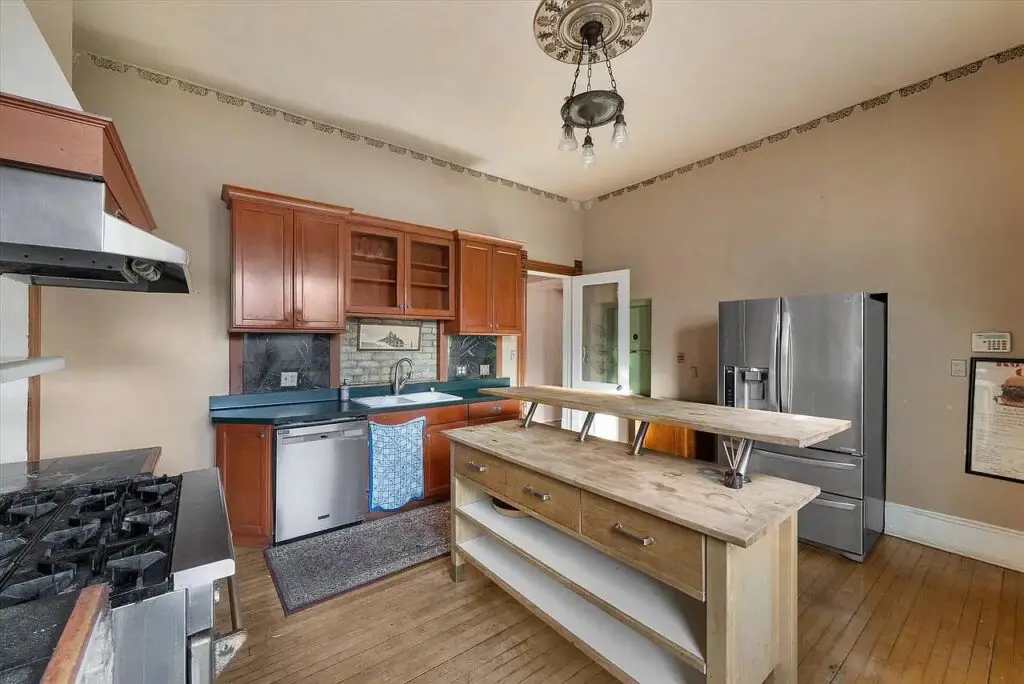
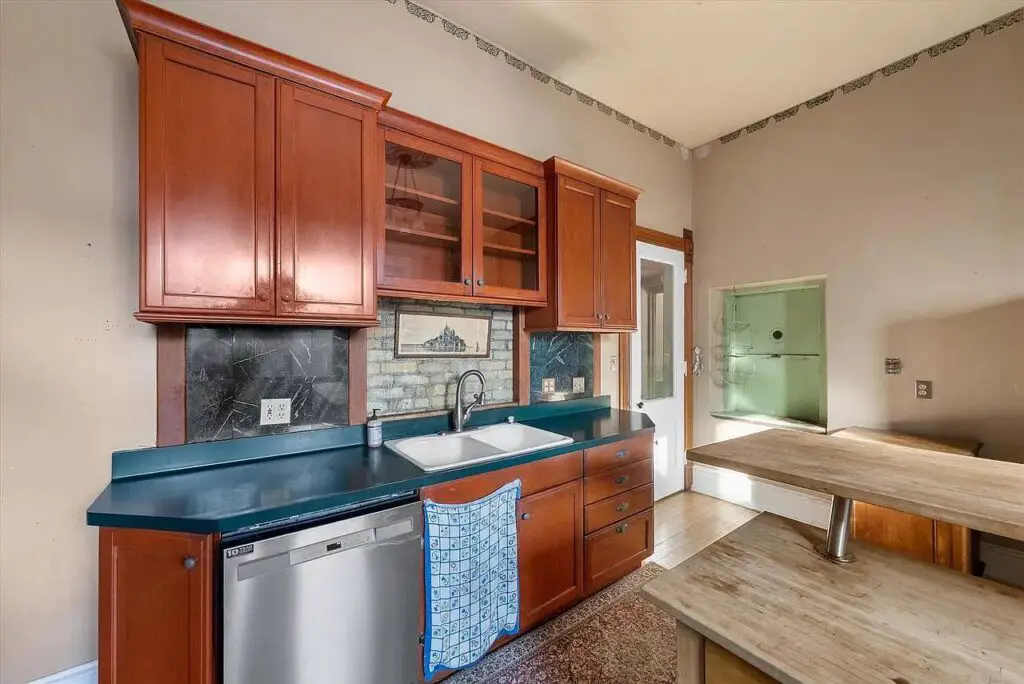
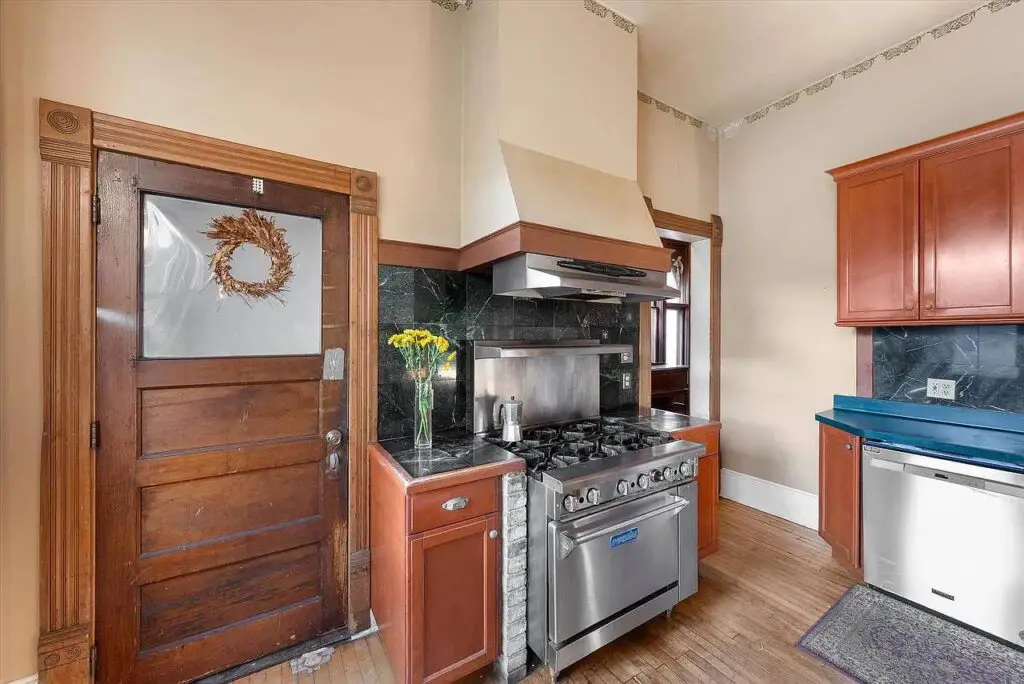
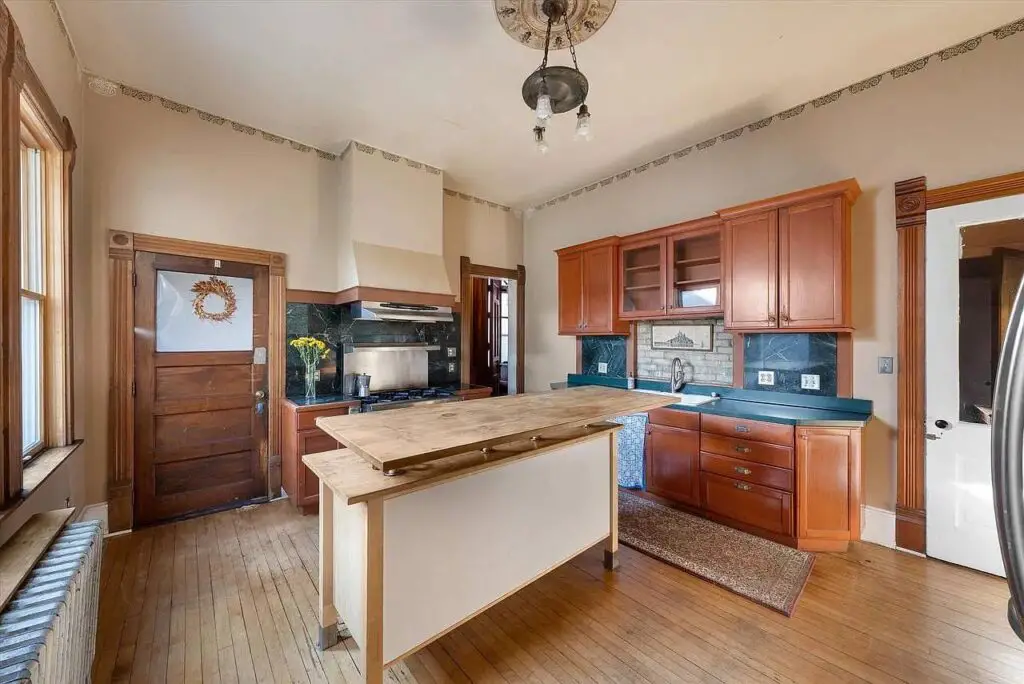
An elegant dining room anchors the main level, offering a setting that feels made for long dinners and meaningful gatherings. Its proportions suggest an era when dining was an event rather than a formality squeezed between obligations. Adjacent to the dining room, the eat-in kitchen balances historic charm with everyday practicality. While the home retains its period character, the kitchen’s layout supports modern living, offering space not only for cooking but for connection.
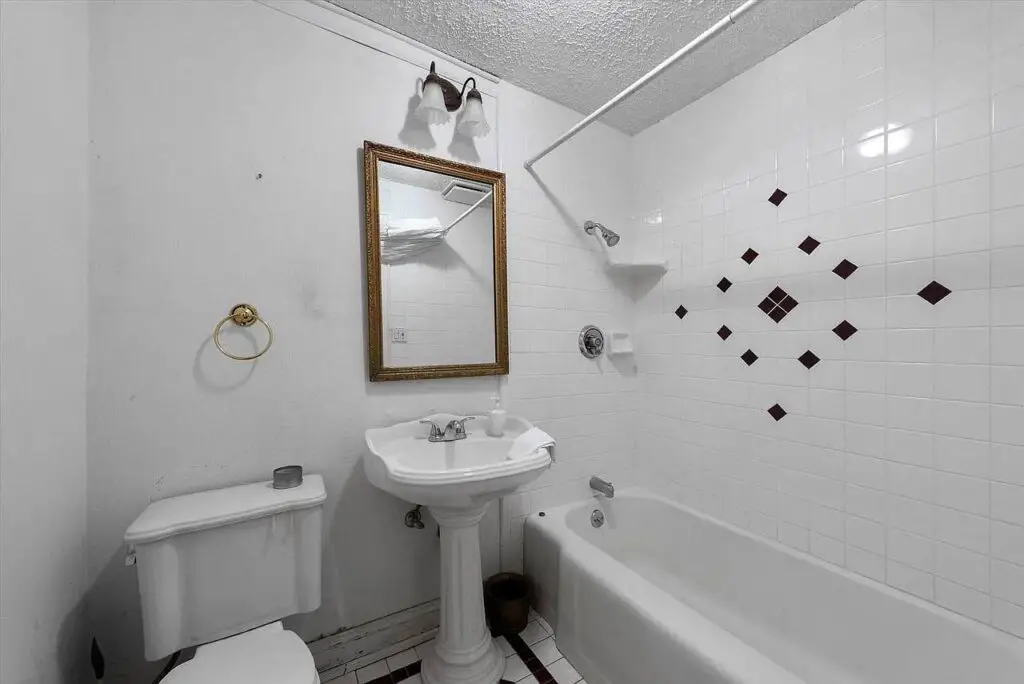
A family room on the main level provides a more relaxed counterpart to the formal spaces, illustrating how the house adapts easily to contemporary lifestyles. A conveniently located bathroom completes the first floor, reinforcing the thoughtfulness of the original design and subsequent updates. Together, these rooms create a main level that feels cohesive, purposeful, and inviting, making it easy to imagine daily life unfolding here.
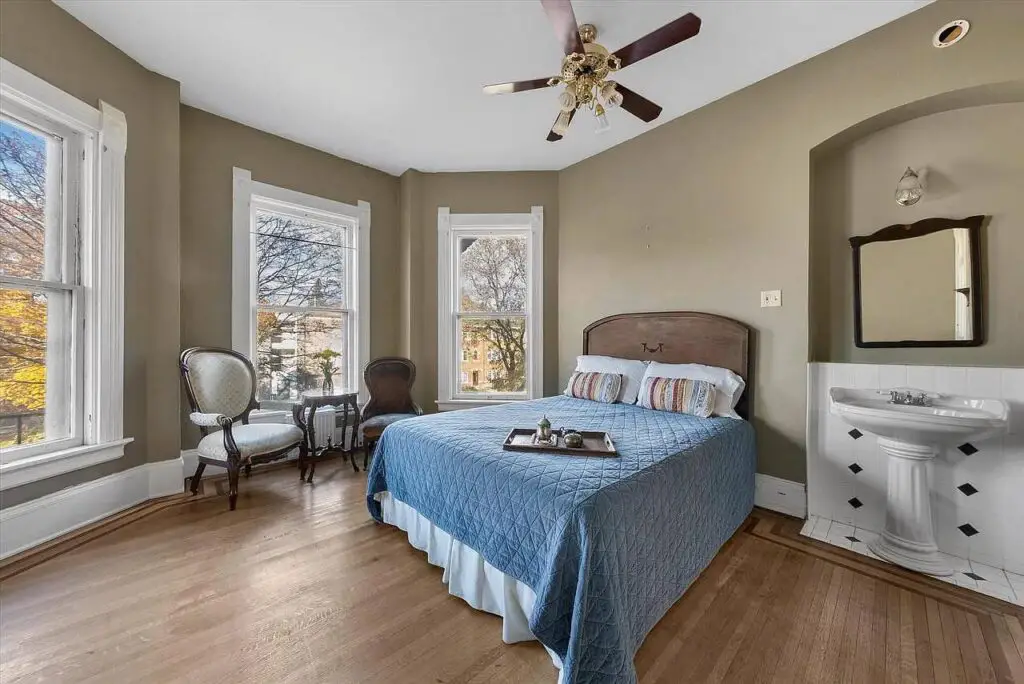
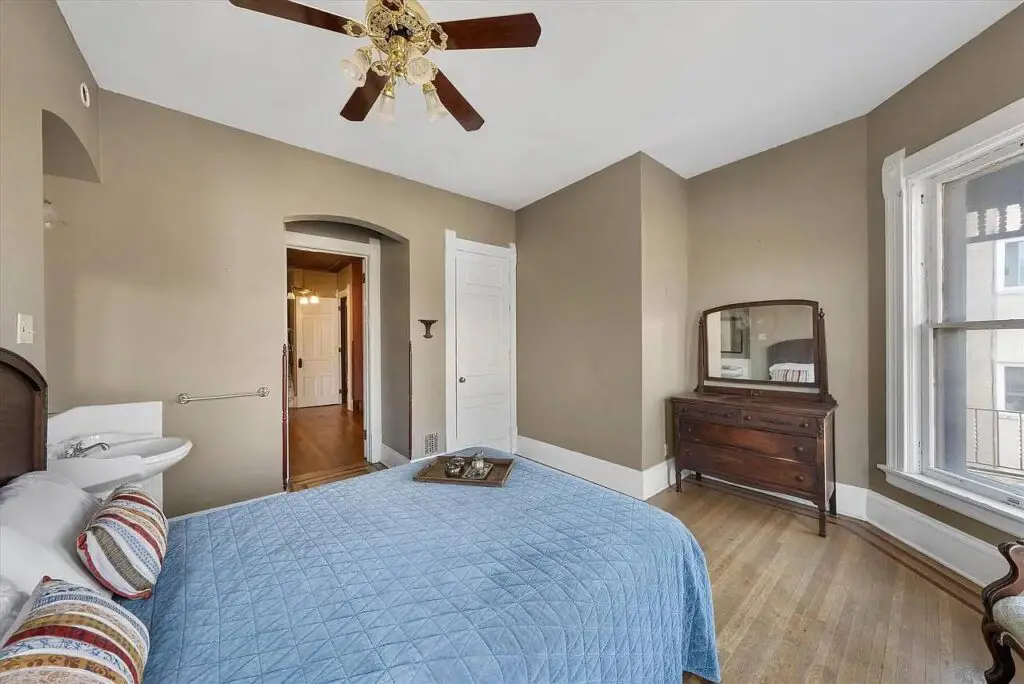
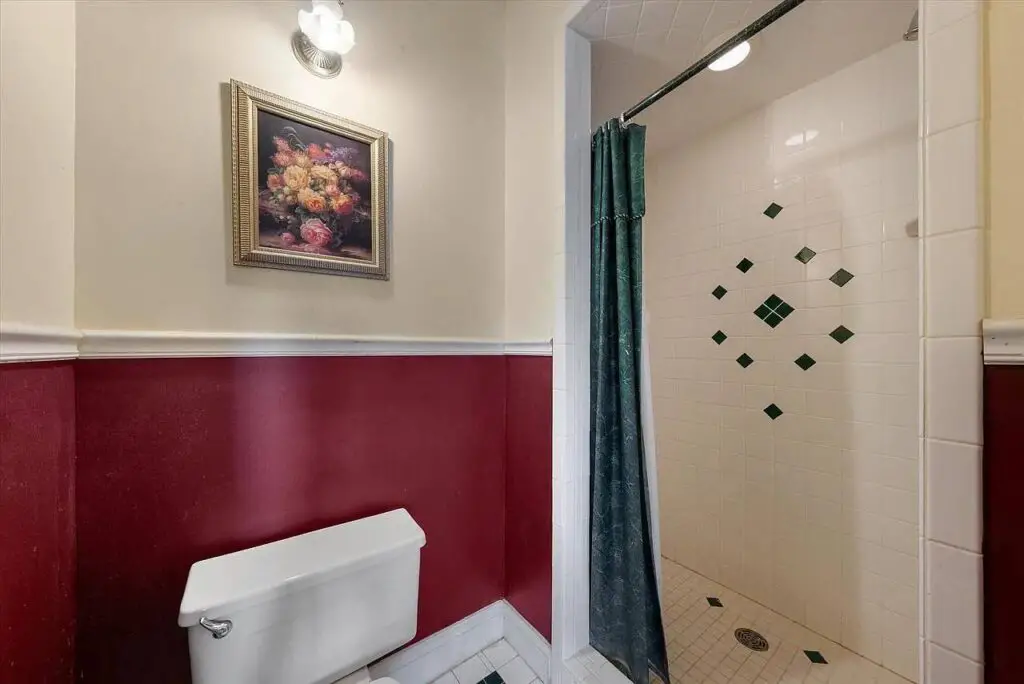
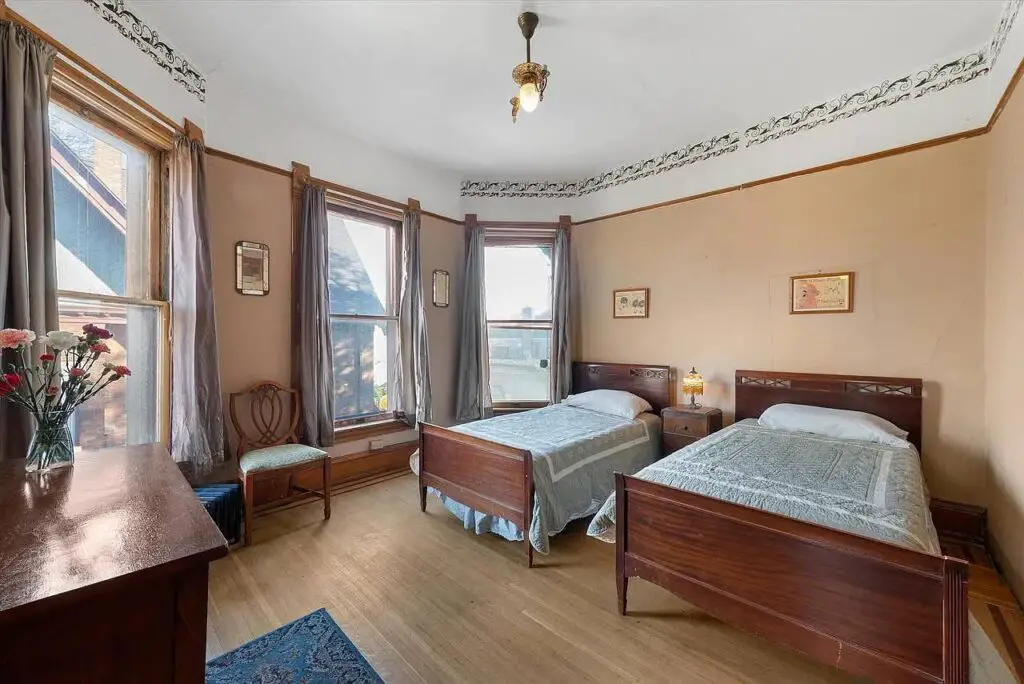
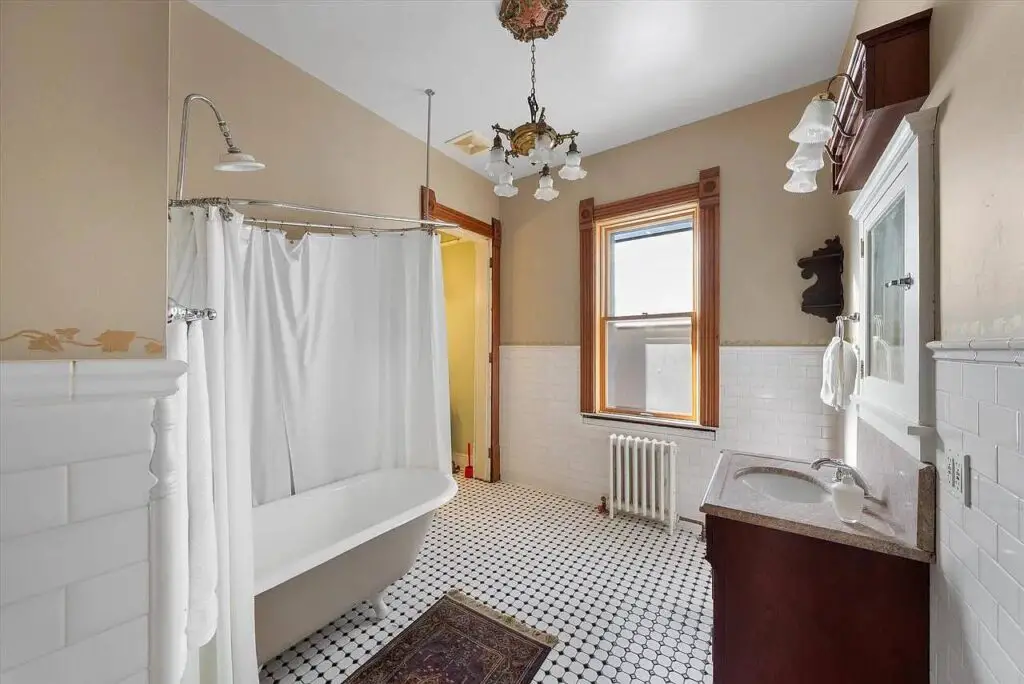
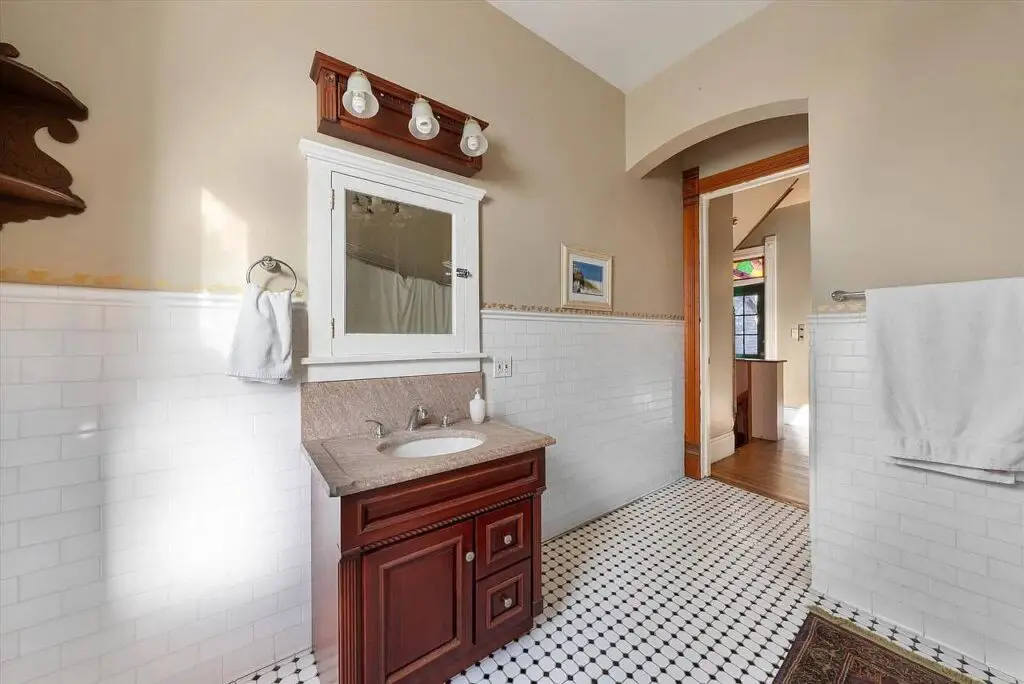
The second floor continues the narrative of space and craftsmanship. Four bedrooms are arranged to provide both comfort and privacy, each benefiting from the same high ceilings and generous proportions found throughout the house. These rooms feel calm and substantial, offering a retreat from the activity below. Two full bathrooms on this level serve the bedrooms, reflecting a level of convenience that was forward-thinking for its time. An additional office space introduces further flexibility, allowing the home to accommodate work-from-home needs without compromising bedroom count.
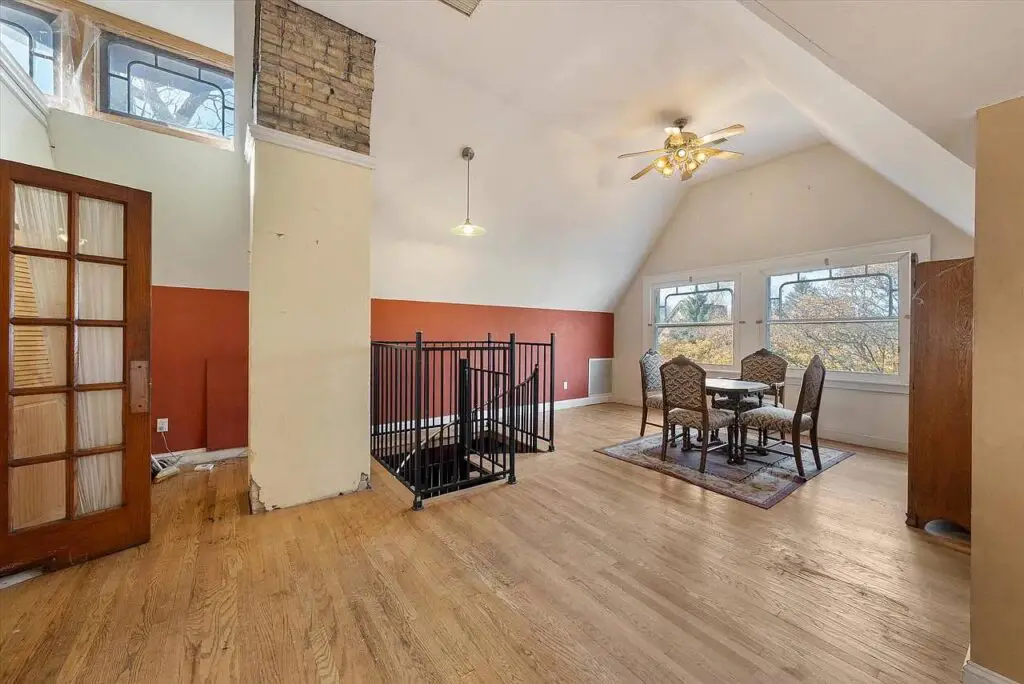
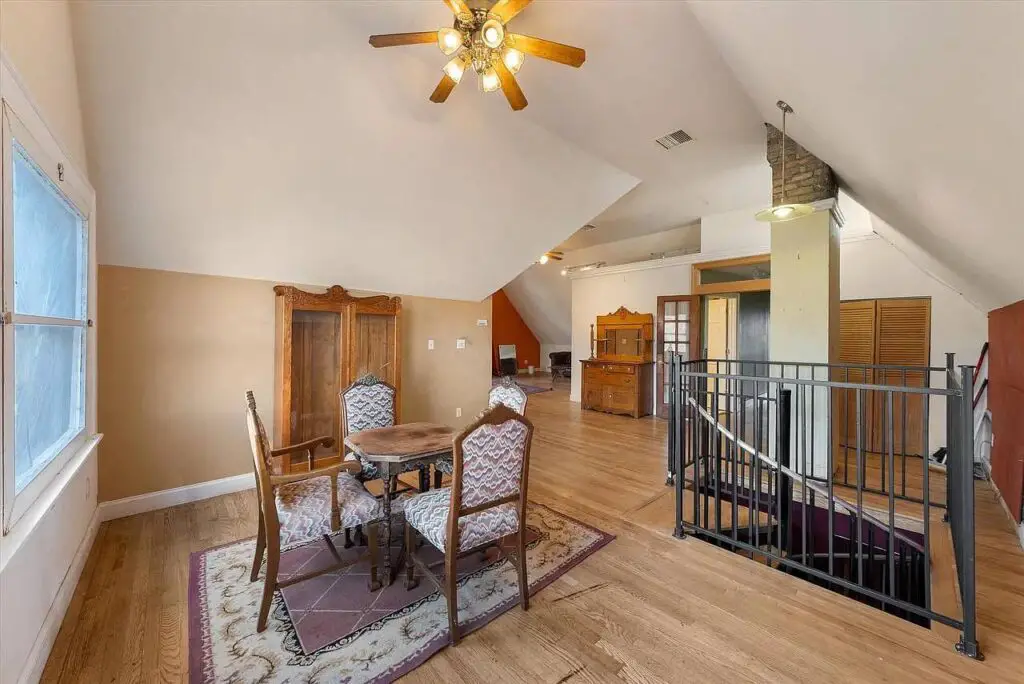
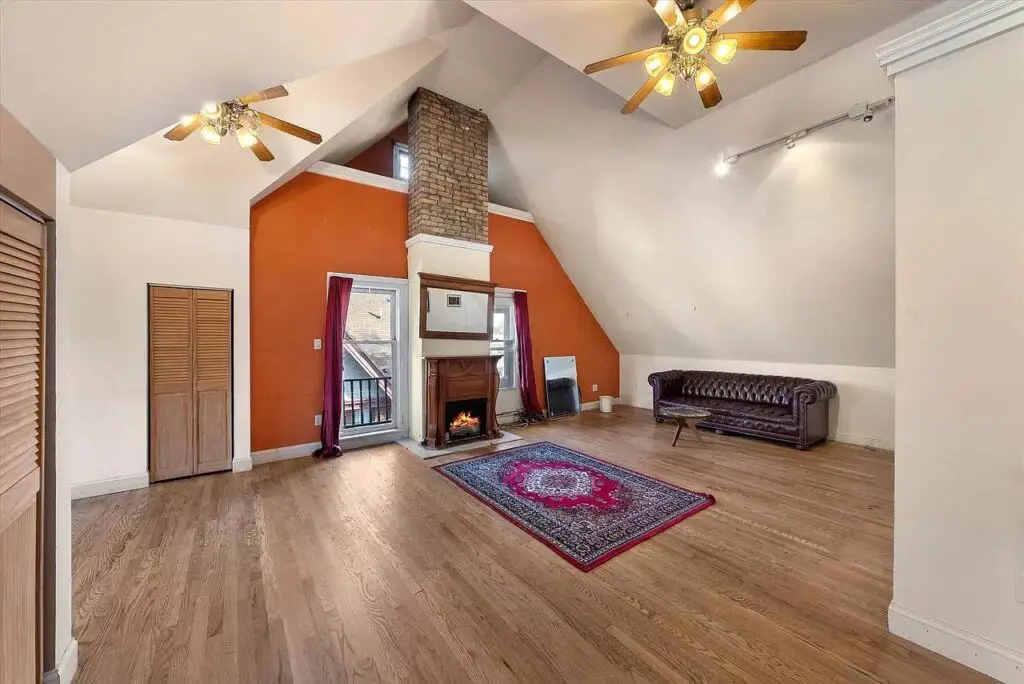
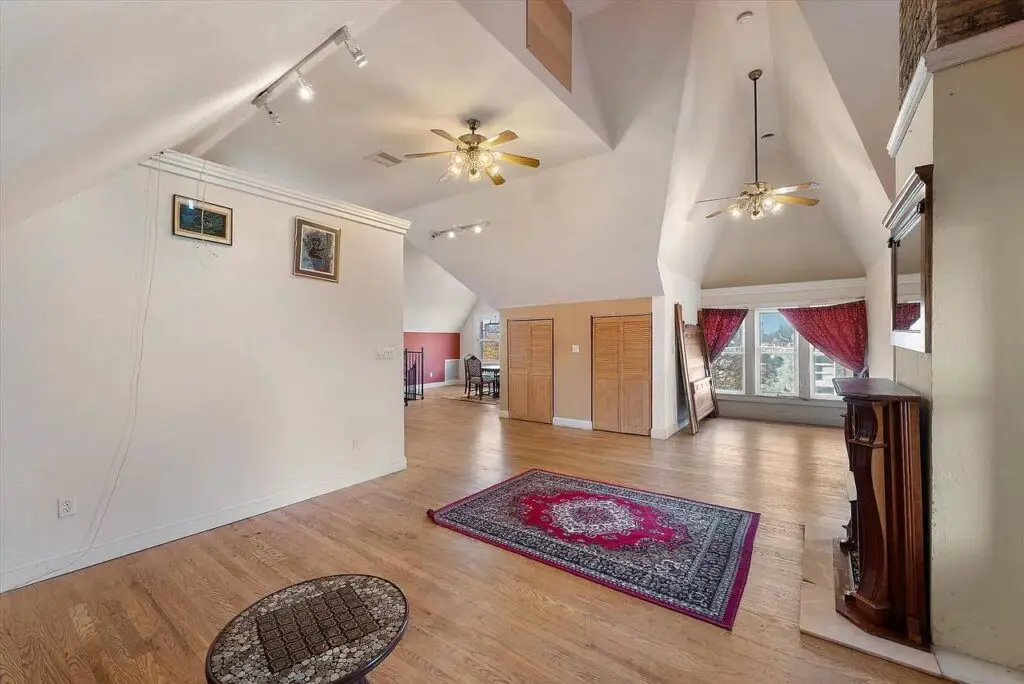
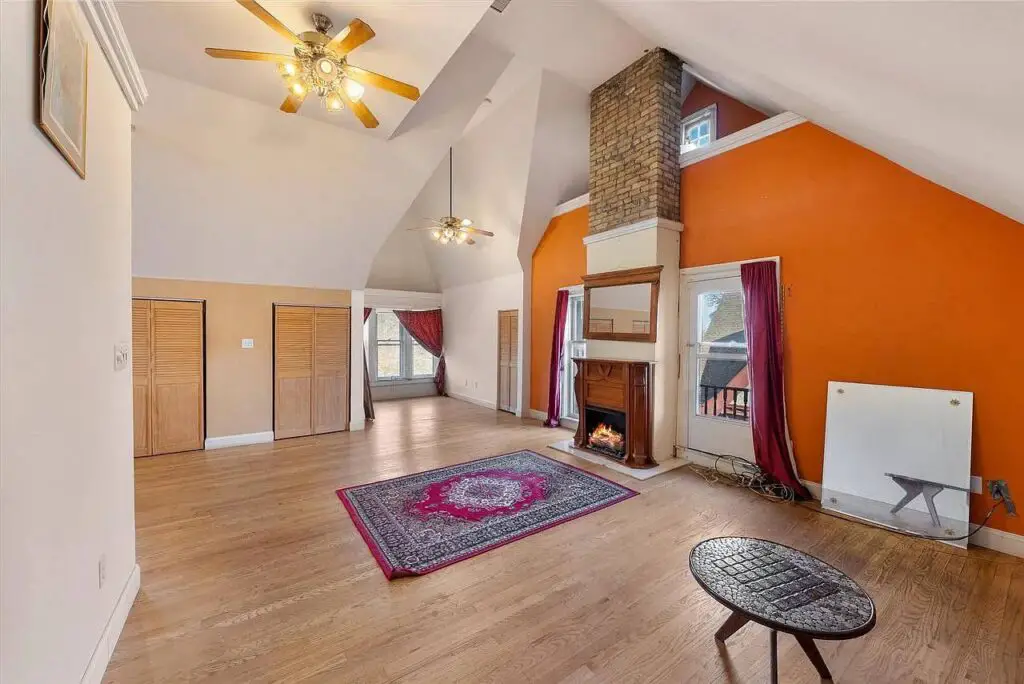
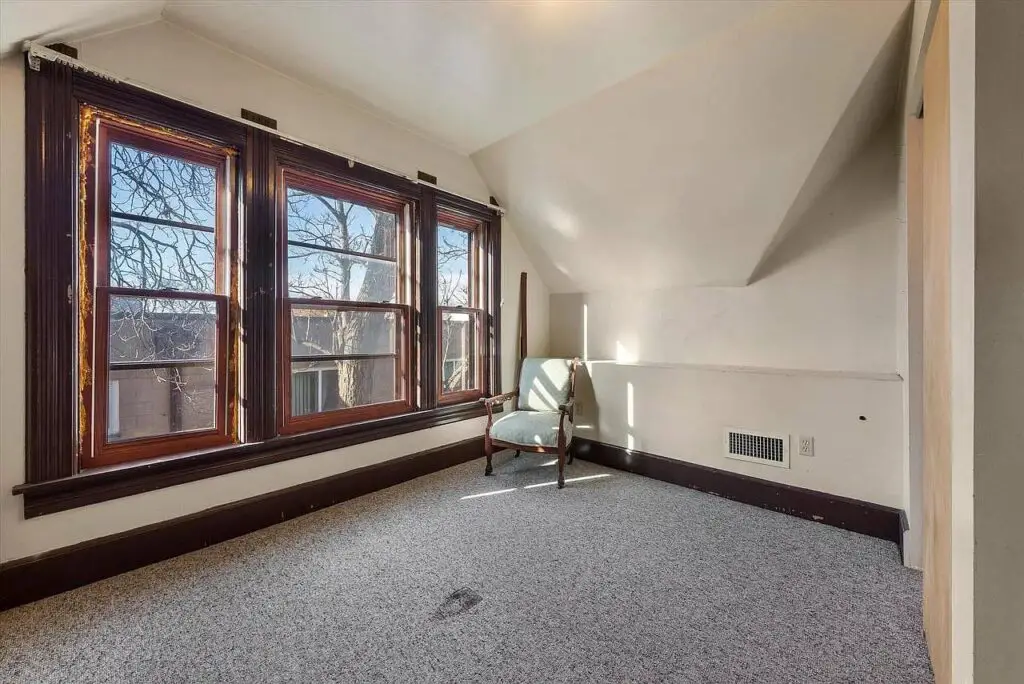
Ascending to the third floor reveals yet another dimension of the house. This level feels almost like a home within a home, featuring its own living room, two additional bedrooms, a den, and a bathroom. Such a layout opens the door to countless possibilities, whether for extended family, guests, creative pursuits, or multi-generational living. The separation provided by this upper level enhances privacy while maintaining a sense of connection to the rest of the home.
Throughout all three stories, the consistent presence of historic finishes creates a sense of continuity. Rather than feeling disjointed or overly segmented, the house unfolds as a unified whole. Each floor builds upon the last, reinforcing the idea that this was a home designed with intention rather than expansion added as an afterthought.
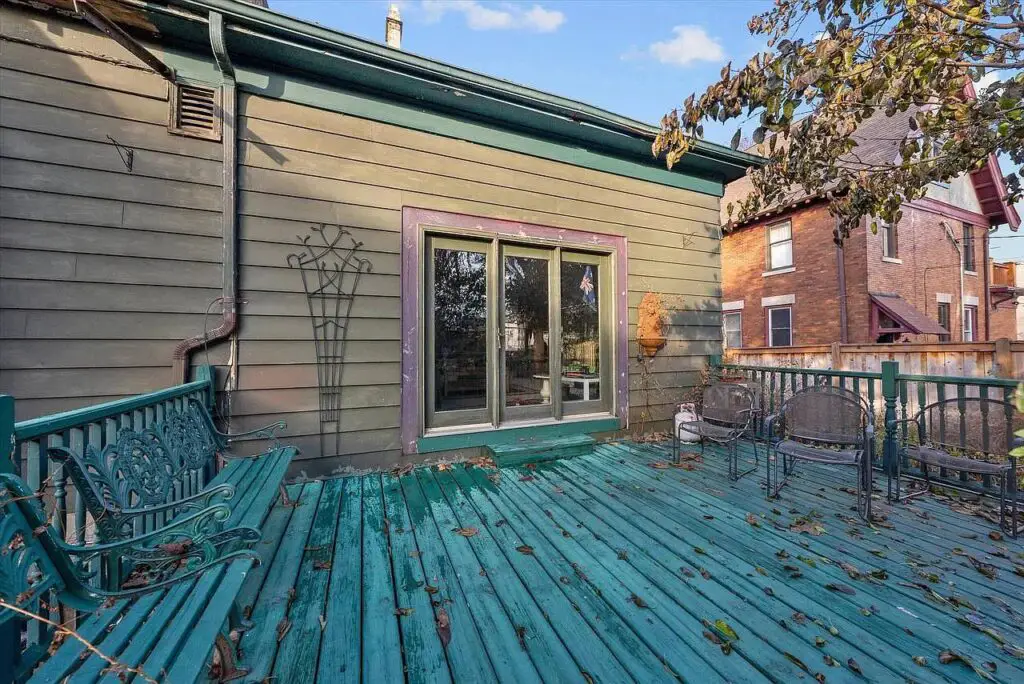
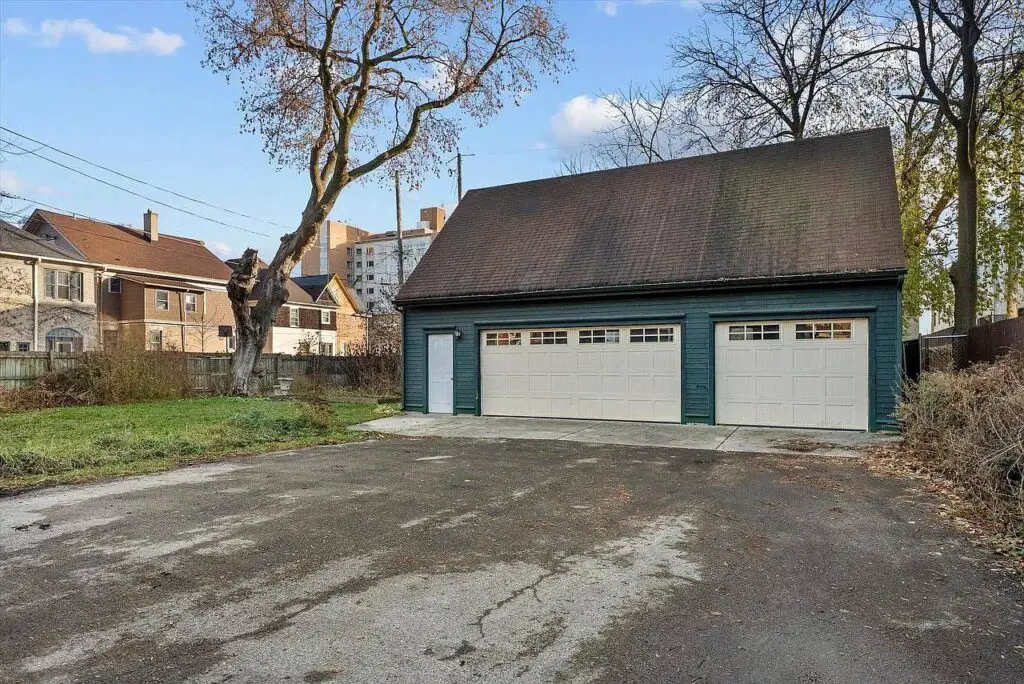
Outside, the property continues to impress. The sizable lot provides breathing room rarely associated with city living, especially within a federally recognized historic district. The fenced yard offers security and privacy, while the detached 3.5-car garage adds a level of practicality that complements the home’s grandeur. This combination of historic charm and functional amenities is a key reason properties like this remain highly desirable in the real estate market.
The Concordia neighborhood itself plays an important role in the home’s appeal. Known for its architectural richness and preservation efforts, the area provides a fitting context for a house of this caliber. Being part of a federally recognized historic district not only underscores the significance of the home but also helps ensure the surrounding environment retains its character. For buyers seeking a sense of place rather than just a location, this setting offers reassurance and continuity.
As a home currently listed for sale, this property represents a compelling opportunity for those who appreciate authenticity. It is not a blank slate, nor does it attempt to mimic modern trends. Instead, it offers a foundation of preserved craftsmanship that can be enhanced rather than replaced. For a buyer working with a knowledgeable realtor, the value here lies not only in square footage and bedroom count but in the irreplaceable details that define the house.
In a market where many homes are renovated beyond recognition, this one retains its soul. The tiled foyer, the refined staircase, the pocket doors, and the plaster moldings are not decorative afterthoughts but integral components of the home’s identity. Owning such a house comes with a sense of stewardship, an understanding that you are not just purchasing real estate, but becoming part of a lineage that stretches back to the late 19th century.
The scale of the home allows it to adapt easily to modern needs. Six bedrooms and multiple living spaces mean there is room for growth, change, and creativity. Whether envisioned as a grand single-family residence, a multi-generational home, or a space that accommodates both living and working, the house offers flexibility without compromise. This adaptability is one of the reasons historic homes continue to hold their value, even as tastes evolve.
At its core, this is a home built to endure. Its materials, layout, and craftsmanship reflect a philosophy of construction that prioritized longevity and beauty in equal measure. In the context of a real estate sale, that endurance translates into lasting appeal. Buyers are not simply acquiring walls and rooms, but a structure that has already proven its resilience.
For those drawn to historic properties, this mansion offers an opportunity that is becoming increasingly rare. Its size, condition, and setting combine to create a package that feels both substantial and approachable. While grand in scale, the house remains fundamentally livable, its rooms arranged in a way that supports everyday life as much as formal entertaining.
Ultimately, this home stands as a testament to Milwaukee’s architectural heritage and the enduring appeal of Victorian and Queen Anne design. It invites its next owner to appreciate what has been preserved while imagining what lies ahead. In a real estate market often defined by speed and convenience, this property encourages a slower, more thoughtful approach. It is a house meant to be lived in, cared for, and appreciated over time.
For the buyer ready to embrace history, space, and craftsmanship, this home for sale offers something truly distinctive. It is not just another listing, but a rare chance to own a piece of architectural history while enjoying the comfort and scale that modern life demands.
Photos:
Listed by:
Lance Wooten Team,
Riverwest Realty Milwaukee
